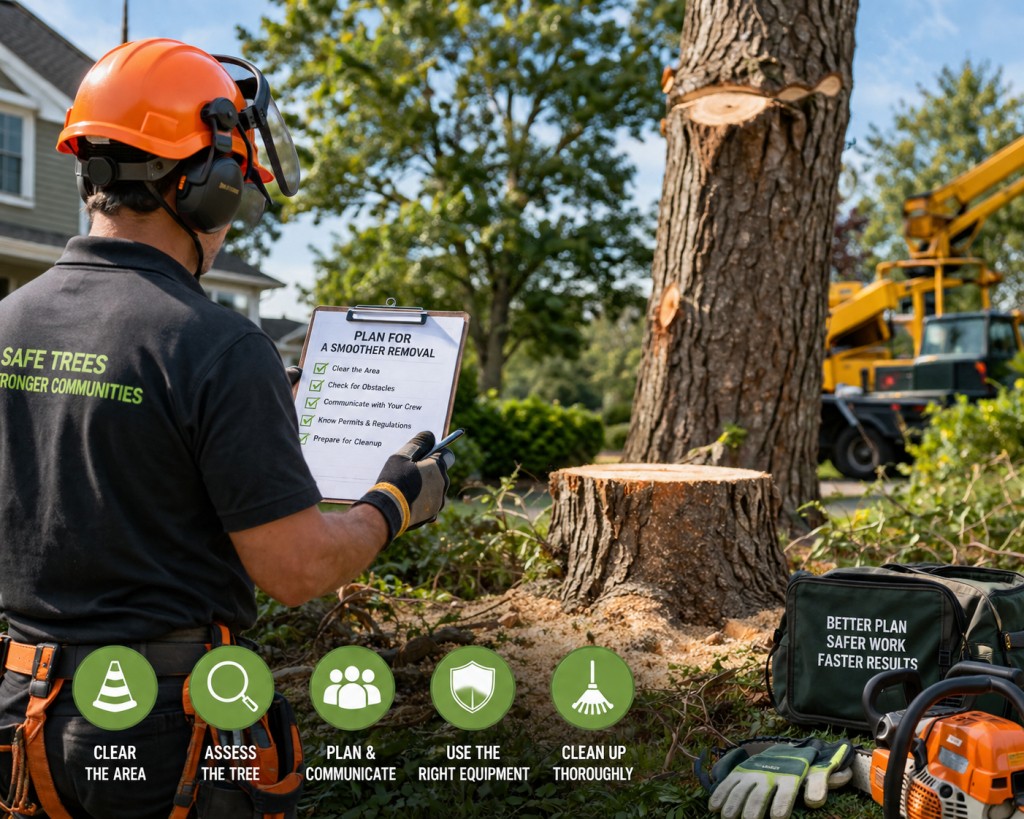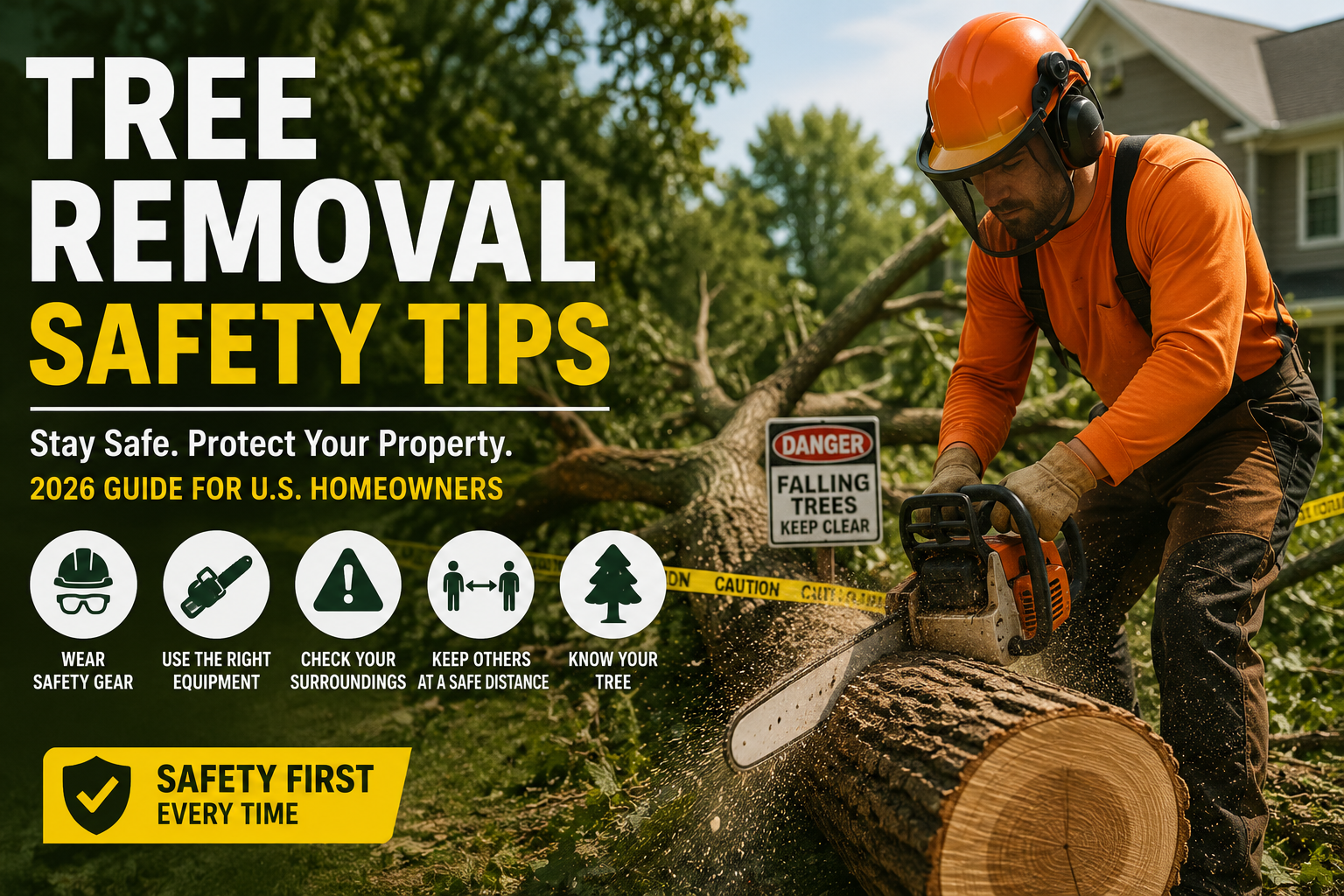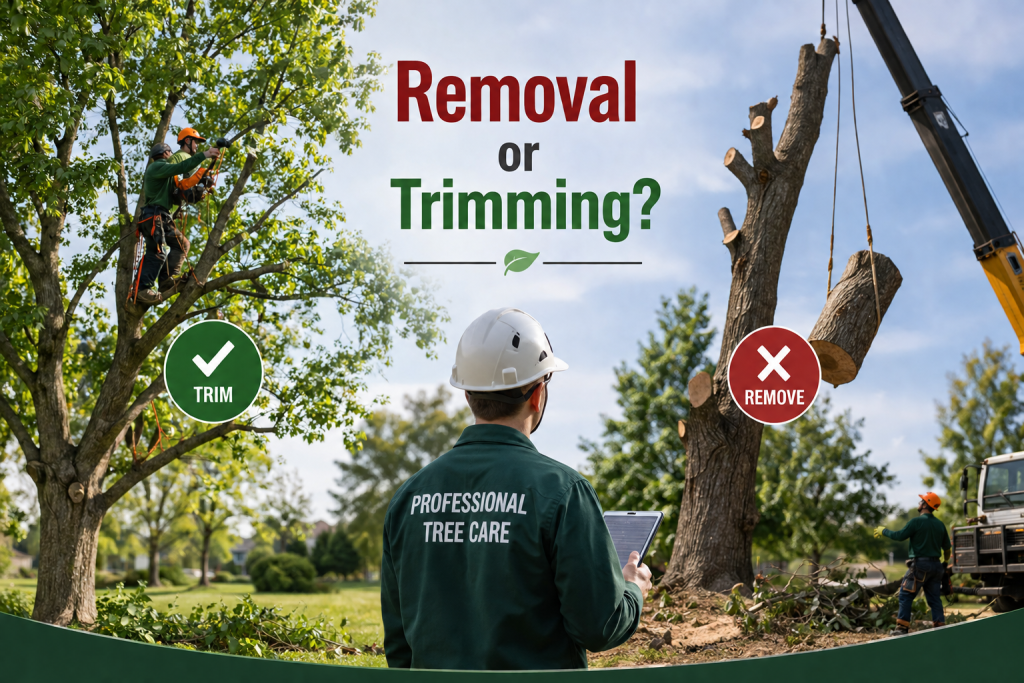
Tag: 2026 Tree Care Guide

  • Emergency Tree Service Cost in 2026: Average Prices & Homeowner Guide

    Emergency Tree Service Cost in 2026: Average Prices & Homeowner Guide

    Emergency Tree Service Cost (2026): Complete Guide for US Homeowners

    When a tree suddenly falls after a severe storm or begins leaning dangerously toward your home, waiting is not an option. Understanding the Emergency Tree Service Cost helps homeowners prepare for unexpected situations and avoid paying more than necessary during an emergency.

    In the United States, emergency tree services are available 24/7 to remove hazardous trees, clear blocked driveways, and protect homes from further damage. This guide explains average pricing, factors affecting costs, and practical ways to reduce expenses in 2026.


    What Is Emergency Tree Service?

    Emergency tree service refers to immediate tree removal or stabilization when a tree creates a safety hazard. These situations usually involve:

    • Trees damaged by storms
    • Trees falling on homes or garages
    • Large branches blocking roads or driveways
    • Lightning-damaged trees
    • Trees leaning dangerously after heavy winds

    Professional arborists use specialized equipment to remove hazardous trees safely while minimizing additional property damage.
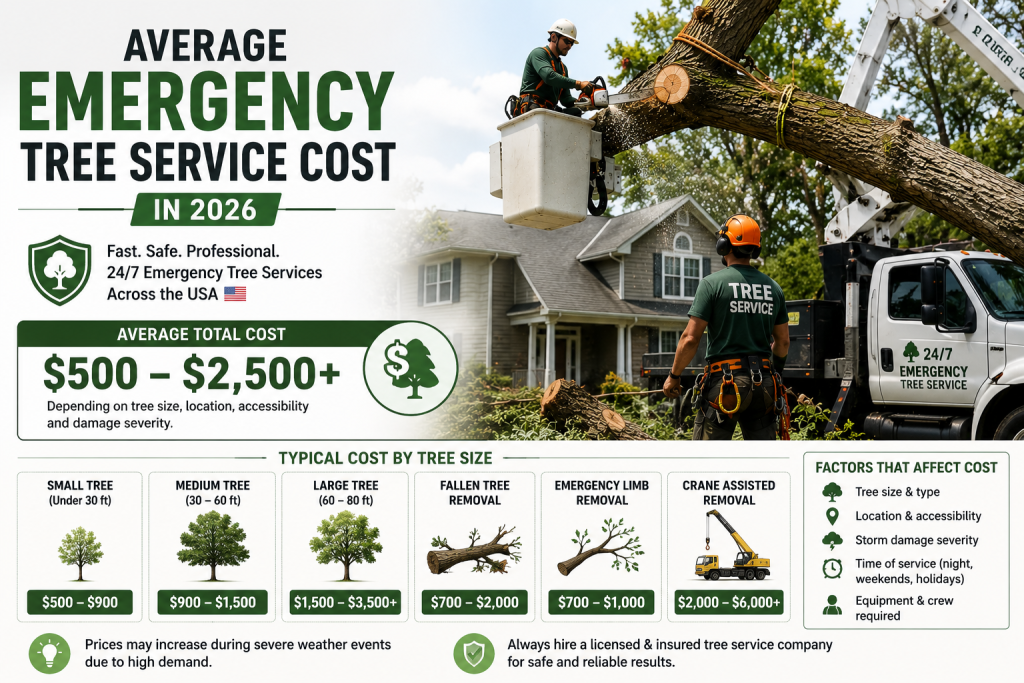

    Infographic showing the average emergency tree service cost in 2026, with professional arborists removing a storm-damaged tree using a bucket truck near a suburban US home, including estimated tree removal price ranges and key cost factors.

    Average Emergency Tree Service Cost in 2026

    The average Emergency Tree Service Cost in the United States ranges from $500 to $2,500, depending on the size of the tree, location, accessibility, and urgency.

    Typical price ranges include:

    ServiceAverage Cost
    Small emergency tree removal$500–$900
    Medium tree removal$900–$1,500
    Large tree removal$1,500–$3,500+
    Fallen tree removal$700–$2,000
    Emergency limb removal$300–$1,000
    Crane-assisted removal$2,000–$6,000+

    The final Emergency Tree Service Cost may increase during severe weather events when demand is extremely high.


    Factors That Affect Emergency Tree Service Cost

    Several factors influence the total Emergency Tree Service Cost.

    Tree Size

    Larger trees require more labor, equipment, and cleanup, resulting in higher costs.

    Tree Location

    Trees close to homes, power lines, fences, or swimming pools require extra care and specialized removal techniques.

    Storm Damage

    Broken or unstable trees are more dangerous to remove than healthy standing trees.

    Accessibility

    Limited yard access may require cranes or bucket trucks, increasing the Emergency Tree Service Cost.

    Time of Service

    Emergency calls during nights, weekends, or holidays often include additional service fees.


    Does Homeowners Insurance Cover Emergency Tree Service?

    Many homeowners insurance policies may help cover Emergency Tree Service Cost if the tree falls because of a covered event such as:

    • Windstorms
    • Lightning
    • Heavy snow
    • Ice storms

    Insurance often pays when a tree damages an insured structure like a home or garage. However, removal of trees that simply fall into the yard without causing damage may not always be covered.

    Always contact your insurance company before scheduling major emergency work.


    How to Save Money on Emergency Tree Service

    Although emergencies cannot always be avoided, homeowners can reduce the overall Emergency Tree Service Cost by following these tips:

    • Schedule regular tree inspections.
    • Remove hazardous trees before storm season.
    • Compare estimates from licensed companies.
    • Verify insurance and certifications.
    • Ask about cleanup costs before work begins.

    Preventive maintenance is often far less expensive than emergency removal.


    Why You Should Hire Professionals

    Emergency tree removal is one of the most dangerous landscaping jobs. Attempting to remove a damaged tree without proper equipment can result in serious injuries and costly property damage.

    Professional tree service companies provide:

    • 24/7 emergency response
    • Licensed and insured crews
    • Specialized safety equipment
    • Crane and bucket truck services
    • Complete debris removal

    Hiring experienced professionals ensures the job is completed safely and efficiently.


    Signs You Need Emergency Tree Service Immediately

    Call a professional immediately if you notice:

    • A tree leaning suddenly after a storm
    • Large cracked branches hanging overhead
    • A tree touching power lines
    • Roots lifting from the ground
    • A tree resting on your roof or vehicle

    Ignoring these warning signs can increase both safety risks and the overall Emergency Tree Service Cost due to worsening damage.
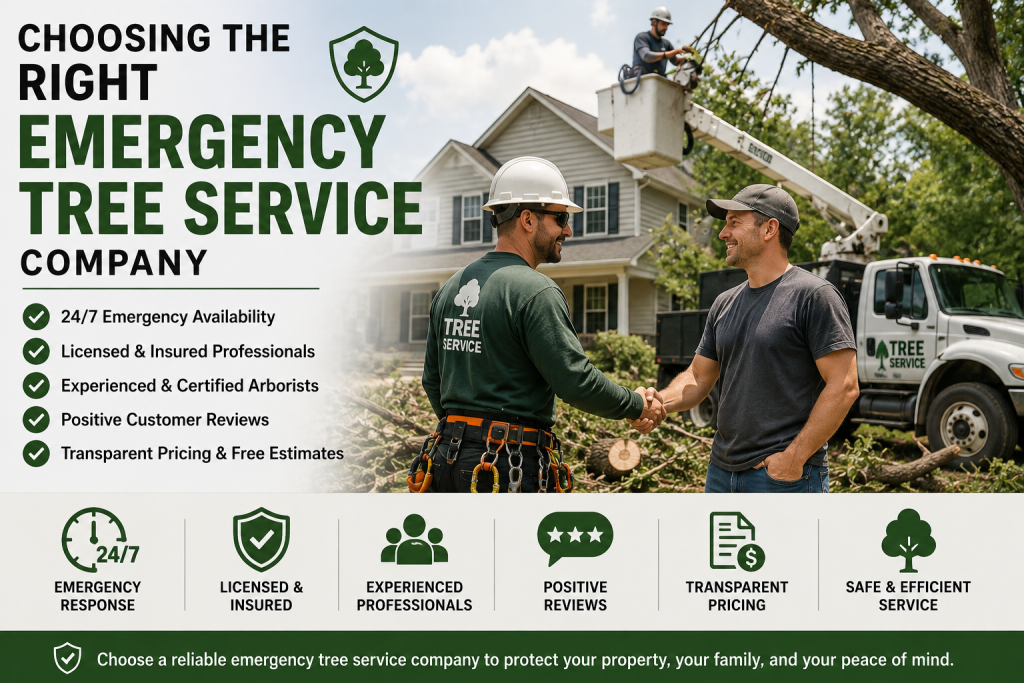

    Professional arborist shaking hands with a homeowner after discussing emergency tree removal services, with a bucket truck and tree crew in the background, illustrating how to choose the right emergency tree service company in the USA.

    Choosing the Right Emergency Tree Service Company

    Before hiring a contractor, look for:

    • Licensed and insured professionals
    • ISA Certified Arborists
    • Positive customer reviews
    • Transparent pricing
    • Written estimates
    • 24-hour emergency availability

    A reputable company will explain the work, provide a clear estimate, and prioritize safety.


    Conclusion

    Understanding Emergency Tree Service Cost allows homeowners to make informed decisions during stressful situations. While prices vary based on tree size, location, and urgency, hiring qualified professionals helps protect your family and property. Regular inspections, preventive maintenance, and quick action after storms can reduce long-term expenses and keep your landscape safe throughout 2026.


    Frequently Asked Questions

    1. What is the average Emergency Tree Service Cost?

    Most homeowners pay between $500 and $2,500, depending on the situation.

    2. Does insurance cover emergency tree removal?

    It often does if a covered storm causes damage to an insured structure.

    3. Why is emergency tree service more expensive?

    Emergency response requires immediate availability, specialized equipment, and additional safety precautions.

    4. Can I remove a fallen tree myself?

    Large or damaged trees should always be handled by trained professionals for safety reasons.

    5. How can I lower emergency tree removal costs?

    Regular tree maintenance and early removal of hazardous trees can help reduce future emergency expenses.
  • Emergency Tree Services for US Homeowners :(2026 Guide)

    Emergency Tree Services for US Homeowners :(2026 Guide)

    Emergency Tree Services

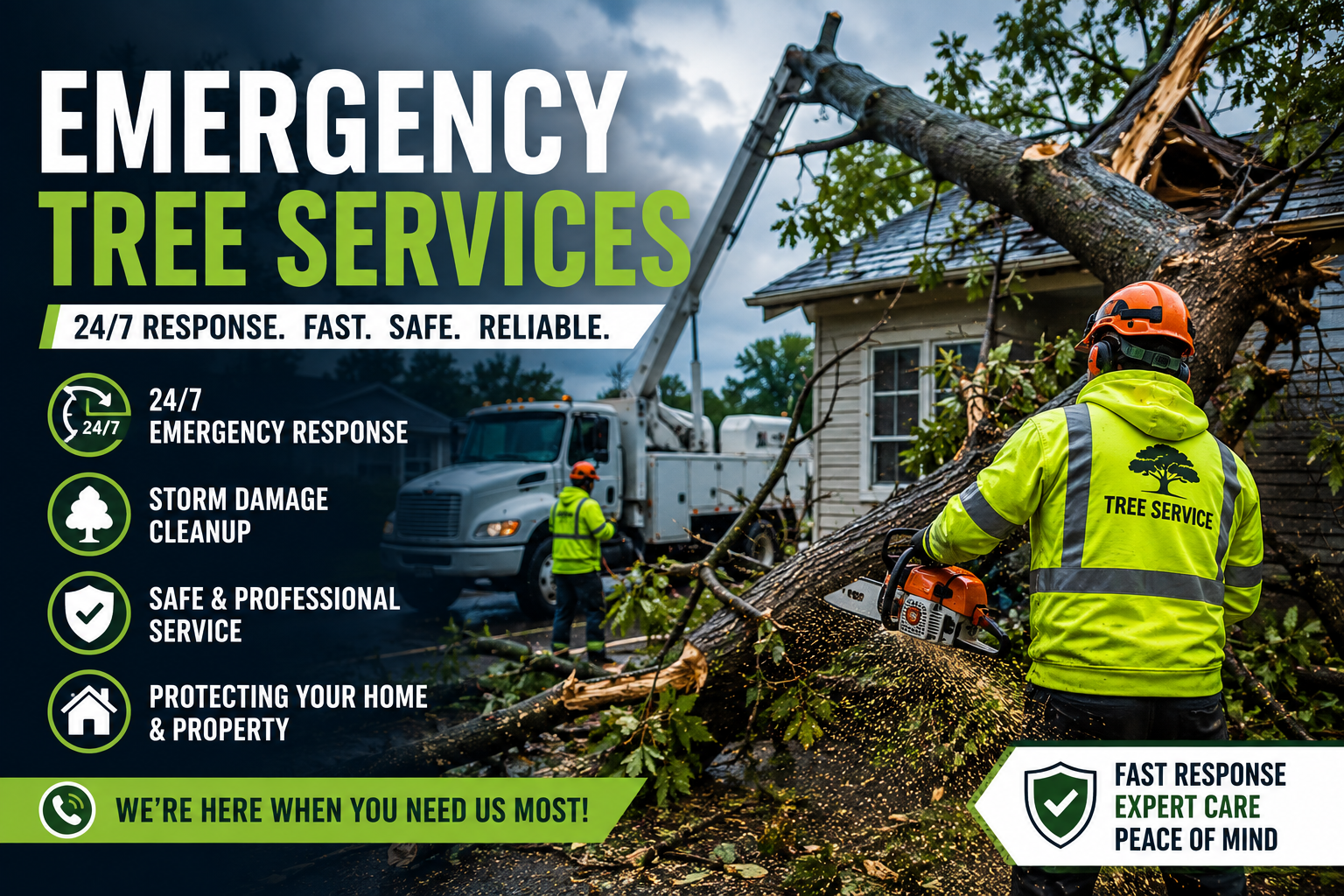
    Storms, high winds, heavy snow, and fallen trees can create dangerous situations that require immediate attention. Emergency Tree Services help homeowners quickly remove hazardous trees, broken limbs, and storm debris to restore safety and prevent further property damage.

    In this 2026 guide, you’ll learn when to call Emergency Services, what these services include, average costs, and how to choose a reliable tree company in the United States.


    What Are Emergency Tree Services?

    Emergency Tree Services are professional tree care solutions available 24/7 to address urgent situations involving damaged, fallen, or hazardous trees. Unlike routine tree maintenance, emergency services focus on protecting people, homes, vehicles, power lines, and nearby structures from immediate danger.

    Professional crews use specialized equipment and safety procedures to remove dangerous trees as quickly and safely as possible.


    When Should You Call Emergency Tree Services?

    Knowing when to contact Emergency Services can prevent injuries and minimize property damage.

    Common situations include:

    • Trees that have fallen on homes or garages
    • Large branches blocking driveways or roads
    • Storm-damaged trees leaning dangerously
    • Trees touching power lines
    • Split or cracked tree trunks
    • Uprooted trees after severe weather
    • Trees threatening nearby buildings

    If a tree poses an immediate safety risk, contact Emergency Services without delay.


    Common Causes of Tree Emergencies

    Tree emergencies happen for many reasons, including:

    Severe Storms

    Thunderstorms, tornadoes, hurricanes, and strong winds can snap branches or uproot entire trees.

    Lightning Strikes

    Lightning can weaken tree structures, making them unstable and hazardous.

    Heavy Snow and Ice

    Snow and ice accumulation often causes large limbs to break unexpectedly.

    Disease and Decay

    Dead or decaying trees may collapse without warning, especially during storms.

    Root Damage

    Construction work or soil erosion can weaken root systems and increase the risk of tree failure.


    Emergency tree service professionals removing storm-damaged trees and clearing debris from a residential property

    Services Included in Emergency Services

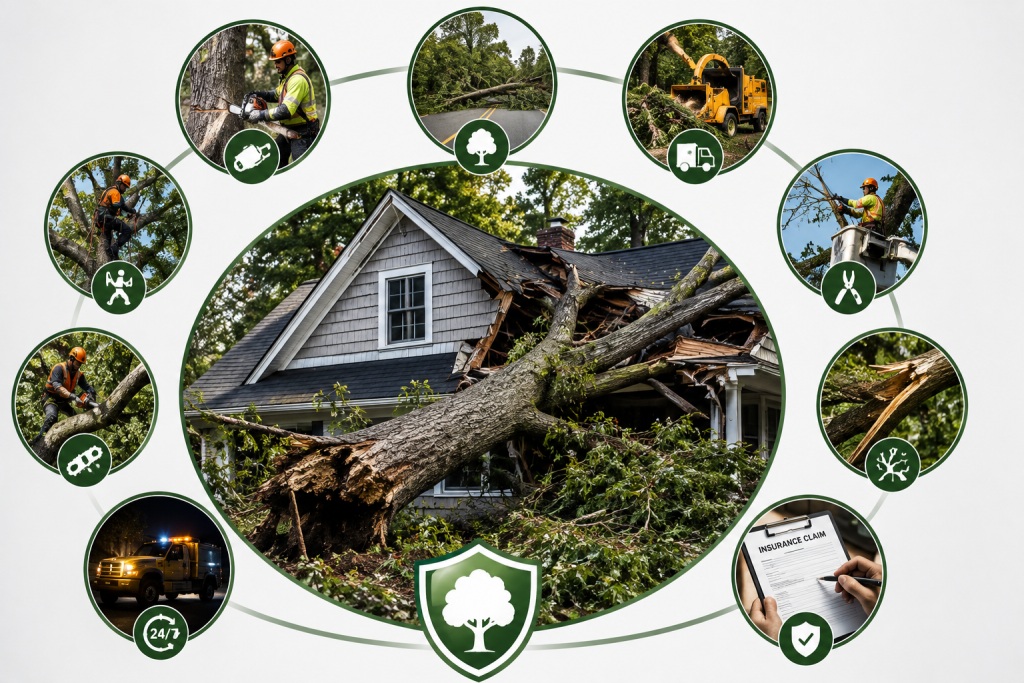
    Professional Emergency Tree Services typically include:

    • Emergency tree removal
    • Fallen tree removal
    • Storm damage cleanup
    • Hazardous limb removal
    • Emergency tree trimming
    • Broken branch removal
    • Tree stabilization
    • Debris hauling and cleanup
    • Insurance claim assistance

    Many companies also offer 24/7 emergency response for urgent situations.


    Benefits of Hiring Professional Emergency Tree Services

    Choosing professional Emergency Tree Services provides several important advantages.

    Fast Response

    Many companies offer around-the-clock emergency service to respond quickly after storms.

    Improved Safety

    Certified professionals use specialized equipment to remove hazardous trees safely.

    Property Protection

    Experienced crews minimize additional damage during the removal process.

    Proper Equipment

    Emergency tree work often requires cranes, bucket trucks, chainsaws, and heavy-duty rigging equipment that homeowners typically do not have.

    Insurance Support

    Many tree service companies assist with documentation and photos needed for insurance claims.


    How Much Do Emergency Tree Services Cost?

    The cost of Emergency Tree Services depends on several factors:

    • Tree size
    • Tree location
    • Accessibility
    • Storm severity
    • Equipment required
    • Time of day
    • Urgency of the response

    Average Emergency Tree Service Costs (2026)

    • Small tree removal: $250–$600
    • Medium tree removal: $600–$1,200
    • Large tree removal: $1,200–$3,000+
    • Emergency storm response: Additional fees may apply for after-hours service

    Always request a written estimate whenever possible.


    What to Do Before Help Arrives

    While waiting for Emergency Tree Services, follow these safety tips:

    • Stay away from fallen trees.
    • Never touch trees in contact with power lines.
    • Keep children and pets away from the area.
    • Avoid walking beneath damaged limbs.
    • Contact your utility company if power lines are involved.
    • Take photos for insurance purposes if it is safe to do so.

    Your safety should always come first.


    How to Choose the Right Emergency Tree Service Company

    When hiring Emergency Tree Services, look for companies that offer:

    • 24/7 emergency response
    • Licensed and insured crews
    • Experienced arborists
    • Modern safety equipment
    • Positive customer reviews
    • Transparent pricing
    • Free or upfront estimates when available

    Choosing a trusted company ensures the job is completed safely and professionally.


    Can Insurance Cover Emergency Tree Services?

    Homeowners insurance may cover tree removal if the tree falls because of a covered event, such as:

    • Windstorms
    • Lightning
    • Ice storms
    • Falling trees damaging insured structures

    Coverage varies by policy, so contact your insurance provider to understand your benefits.


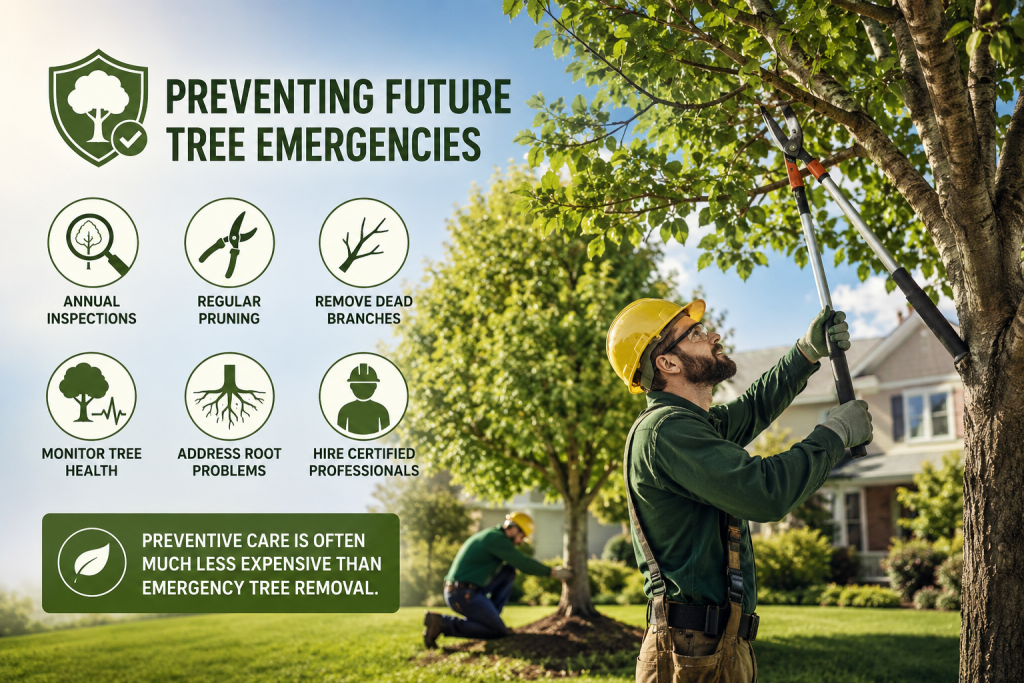
    Professional tree maintenance, including inspections, pruning, dead branch removal, root care, and health monitoring, can help homeowners prevent future tree emergencies.

    Preventing Future Tree Emergencies

    Routine tree maintenance can reduce the likelihood of emergencies.

    Helpful preventive measures include:

    • Annual tree inspections
    • Regular pruning
    • Removing dead or diseased branches
    • Monitoring tree health
    • Addressing root problems early
    • Hiring certified tree care professionals

    Preventive care is often much less expensive than emergency tree removal.


    Final Thoughts

    Emergency Tree Services are essential for protecting your home, family, and property after severe weather or unexpected tree failures. Whether you’re dealing with a fallen tree, broken limbs, or storm damage, professional emergency tree crews have the expertise and equipment to respond safely and efficiently.

    For US homeowners in 2026, choosing a licensed, insured, and experienced emergency tree service company provides peace of mind during stressful situations. Acting quickly can reduce property damage, improve safety, and help restore your landscape as soon as possible.


    Frequently Asked Questions (FAQs)

    1. What qualifies as a tree emergency?

    A tree emergency includes fallen trees, hanging branches, storm damage, trees on homes, or trees touching power lines.

    2. Are emergency tree services available 24/7?

    Yes. Many professional tree companies provide 24/7 emergency response for urgent situations.

    3. Does homeowners insurance cover emergency tree removal?

    In many cases, yes, if the tree damages an insured structure due to a covered event. Check your specific policy for details.

    4. Should I remove a fallen tree myself?

    No. Large or hazardous trees should only be handled by trained professionals with the proper equipment.

    5. How quickly can emergency tree services respond?

    Many companies respond within a few hours, depending on weather conditions, demand, and your location.

  • Dead Branch Removal Guide: Homeowner Guide (2026)

    Dead Branch Removal Guide: Homeowner Guide (2026)

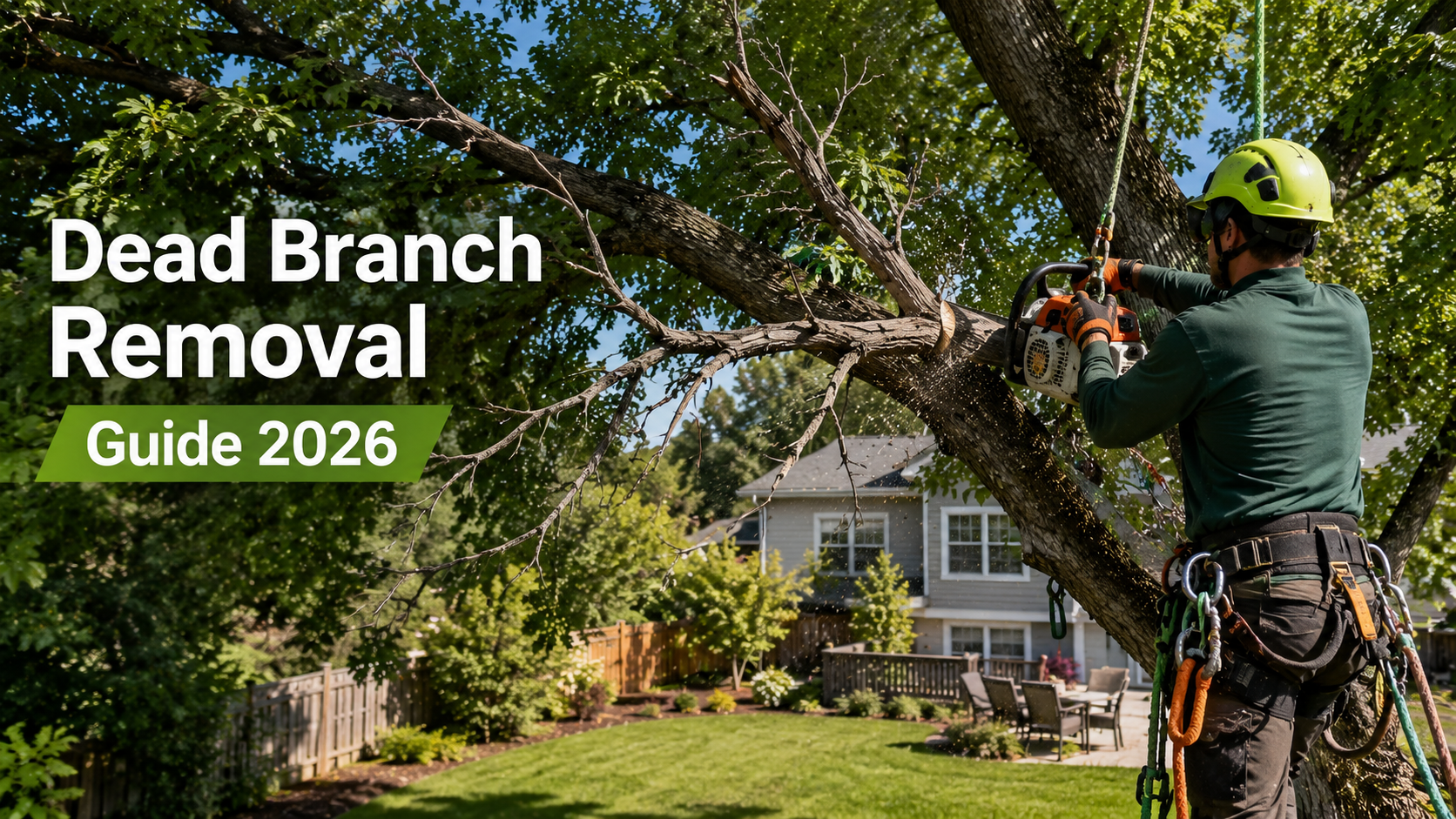
    Dead Branch Removal Guide: How to Safely Remove Dead Tree Branches in 2026

    Dead branches are a common problem for homeowners across the United States. Whether you have a mature oak in your Texas backyard or a maple tree in a northern state, damaged and dead limbs can become a safety risk if they are ignored. Learning how to identify and handle them is an important part of responsible tree care.

    This Dead Branch Removal Guide explains how to identify dead branches, why removing them matters, when to call a professional, and how homeowners can protect their property. In 2026, with severe storms and unpredictable weather affecting many parts of the US, regular tree inspections are more important than ever.

    What Is a Dead Tree Branch?

    A dead branch is a limb that no longer receives water and nutrients from the tree. Unlike healthy branches, dead limbs may have no leaves, brittle bark, or visible signs of decay. Some dead branches remain attached to the tree for years, while others can fall unexpectedly during strong winds, heavy rain, ice, or storms.

    A proper Dead Branch Removal Guide should always emphasize that dead branches are not simply an appearance problem. They can become hazardous when they are located above roofs, driveways, sidewalks, patios, or areas where people spend time.

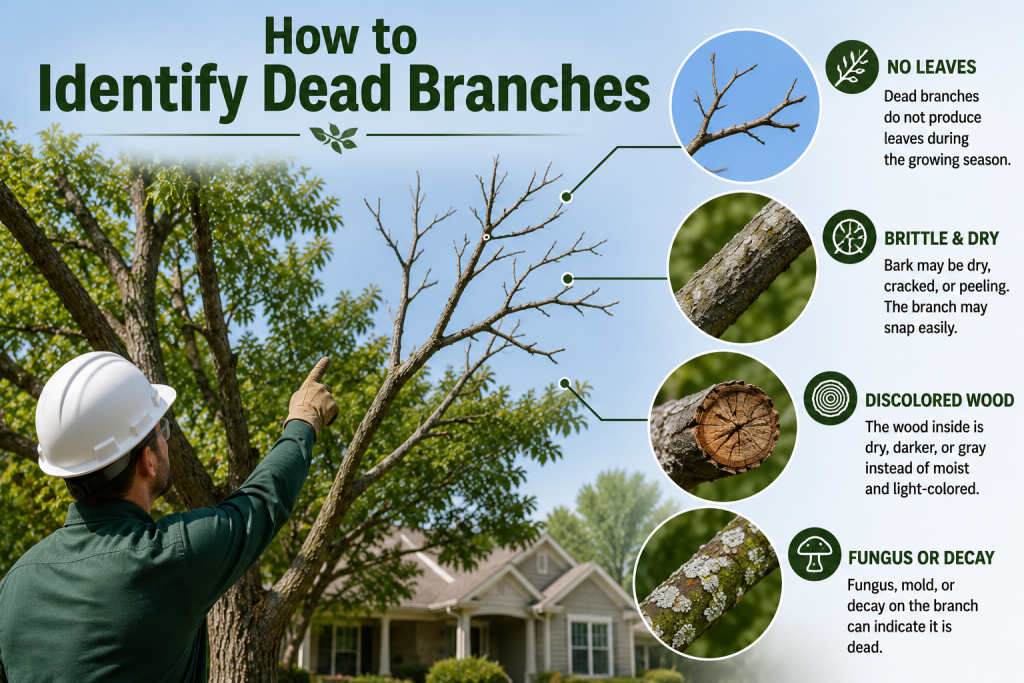
    How to Identify Dead Branches

    Before removing anything, homeowners should learn how to recognize potentially dead limbs. Signs may include:

    • No leaves during the growing season
    • Brittle or dry-looking wood
    • Cracked or peeling bark
    • Visible decay or fungal growth
    • Broken branches
    • Hollow sections
    • Branches that snap easily
    • A noticeable lack of buds or new growth

    However, identifying dead wood is not always simple. Some trees naturally lose branches, and certain limbs may appear unhealthy while still being alive. This is why a professional inspection can be helpful when you are unsure.

    Following a reliable Dead Branch Removal Guide can help you recognize obvious hazards, but homeowners should avoid making assumptions about complicated or high branches.

    Why Dead Branch Removal Is Important

    One of the main reasons to follow a Dead Branch Removal Guide is safety. Dead limbs can become weak over time and may fall without warning. A falling branch can damage a roof, vehicle, fence, power line, or outdoor structure.

    Dead branches can also create additional problems for the tree. Removing certain dead or damaged limbs may improve the tree’s appearance and reduce potential hazards. However, improper cutting can damage living tissue and create opportunities for decay or disease.

    For this reason, dead branch removal should be approached carefully rather than treated as a simple DIY landscaping project.

    When Should Dead Branches Be Removed?

    Dead branches should generally be addressed when they create a potential hazard or when they are large enough to cause property damage if they fall. Small branches that are easy to reach may sometimes be handled by experienced homeowners using appropriate tools.

    However, large branches, high branches, and limbs near power lines should be evaluated by a qualified professional.

    The best time for routine tree maintenance depends on the tree species and local climate. In many areas, dormant seasons can be suitable for certain types of pruning. Nevertheless, hazardous dead or broken branches should not be left in place simply because it is the wrong season.

    A good Dead Branch Removal Guide should always prioritize safety over convenience.

    Can You Remove Dead Branches Yourself?

    Some small, low-hanging dead branches can potentially be removed by homeowners. Before starting, make sure you understand proper pruning techniques and use clean, sharp equipment.

    Never attempt to remove a large branch that is under tension, hanging over a structure, or located near electrical wires. Do not climb a tree with inadequate safety equipment.

    If you are unsure about the condition of a branch, hiring a professional tree service is usually the safer option. A qualified arborist can determine whether a branch is truly dead and recommend the appropriate course of action.

    How to Safely Remove Small Dead Branches

    For homeowners handling small, accessible branches, a basic Dead Branch Removal Guide includes several safety considerations.

    First, inspect the branch carefully and check for signs of movement or instability. Make sure there are no people, pets, vehicles, or valuable objects underneath.

    Use appropriate pruning tools and avoid cutting into the branch collar, which is the natural area where the branch connects to the trunk or larger limb. Proper pruning cuts can help the tree recover more effectively.

    Never use a ladder in an unsafe position or attempt to reach branches that are beyond your comfortable working height.

    When to Hire a Professional Arborist

    Professional help is recommended when dead branches are large, high, unstable, or located near power lines. Trees that have been damaged by storms may also present hidden dangers.

    A professional tree care company can inspect the tree, identify hazardous limbs, and use specialized equipment to remove branches safely. This is especially important for mature trees near homes and other structures.

    If you live in an area frequently affected by hurricanes, tornadoes, ice storms, or severe thunderstorms, regular professional inspections can be a valuable part of your property maintenance plan.

    Common Dead Branch Removal Mistakes

    One common mistake discussed in any Dead Branch Removal Guide is cutting branches incorrectly. Poor pruning cuts can injure healthy parts of the tree and increase the risk of future problems.

    Another mistake is removing too many branches at once. Trees need their living branches and leaves for energy production, so excessive pruning can stress the tree.

    Homeowners should also avoid topping Dead Branch Removal Guide trees or making unnecessary cuts simply to change the tree’s shape. Professional pruning focuses on tree health, structure, and safety.

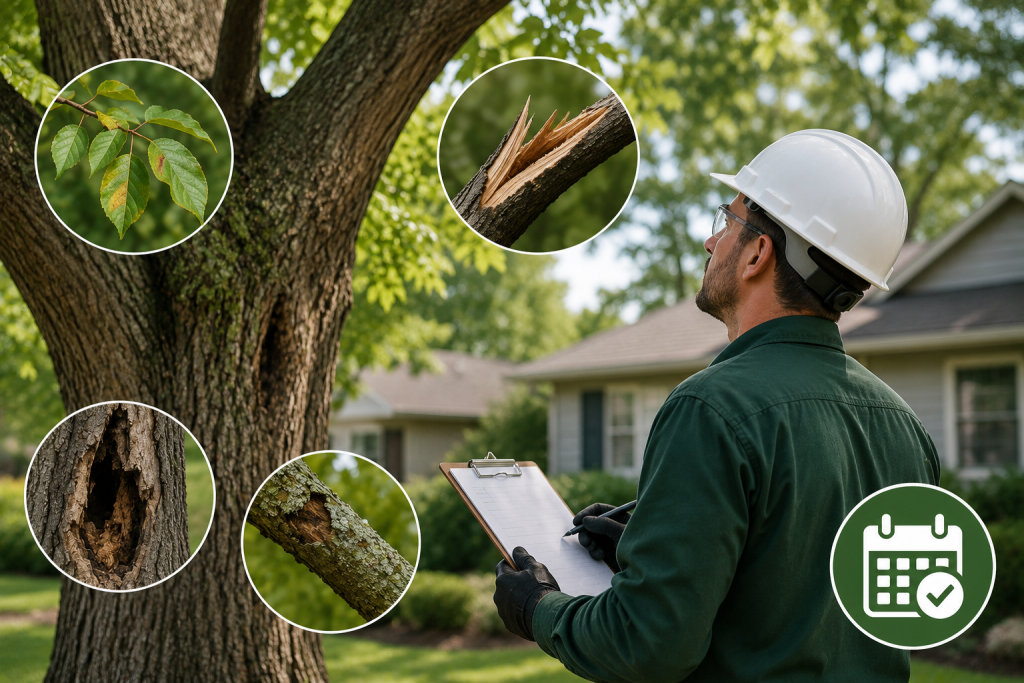
    Professional arborist inspecting a mature tree for damaged branches, leaf problems, trunk decay, and tree health issues

    How Often Should You Inspect Your Trees?

    There is no universal schedule for every tree, but homeowners should regularly look for dead, broken, or damaged limbs. Trees should also be inspected after major storms or extreme weather.

    A professional tree Dead Branch Removal Guide inspection can be particularly useful for older or large trees. Early identification of hazardous branches may help prevent emergency situations and expensive property damage.

    Using this Dead Branch Removal Guide as part of your regular home maintenance routine can help you notice potential problems before they become serious.

    Final Thoughts

    Dead branches can pose serious risks to homeowners, especially when they are located near homes, vehicles, walkways, or power lines. The best approach is to inspect trees regularly, identify obvious hazards, and remove unsafe branches using proper techniques.

    This Dead Branch Removal Guide provides general information for US homeowners, but every tree and situation is different. When a branch is large, high, unstable, or difficult to access, hiring a qualified tree professional is the safest choice.

    By making dead branch inspection part of your 2026 Dead Branch Removal Guide property maintenance routine, you can help protect your home, improve your landscape, and support the long-term health and safety of your trees.

    Frequently Asked Questions (FAQs)

    Can dead branches fall on their own?

    Yes. Dead branches become increasingly brittle and can fall during strong winds, heavy rain, snow, ice, or storms. Even calm weather can sometimes cause weakened limbs to drop.

    Can I remove dead branches myself?

    Small, low branches may be manageable for some homeowners. However, large, high, unstable branches or limbs near electrical wires should be left to trained professionals Dead Branch Removal Guide .

    When is the best time to remove dead branches?

    The ideal timing depends on the tree species and local climate. Hazardous or broken branches should generally be addressed promptly rather than waiting for a particular season.

    How can I prevent dead branches from becoming a safety hazard?

    Regular tree inspections, proper pruning, and timely removal of hazardous limbs can help reduce risks. Following this Dead Branch Removal Guide can help homeowners recognize potential problems early.

    How much does dead branch removal cost?

    The price varies depending on branch size, tree height, location, equipment requirements, and cleanup. Small jobs may cost less, while large or hazardous branches can require specialized equipment and professional crews.

  • DIY Tree Trimming Mistakes: 2026 Guide for U.S. Homeowners

    DIY Tree Trimming Mistakes: 2026 Guide for U.S. Homeowners

    DIY Tree Trimming Mistakes Every U.S. Homeowner Should Avoid

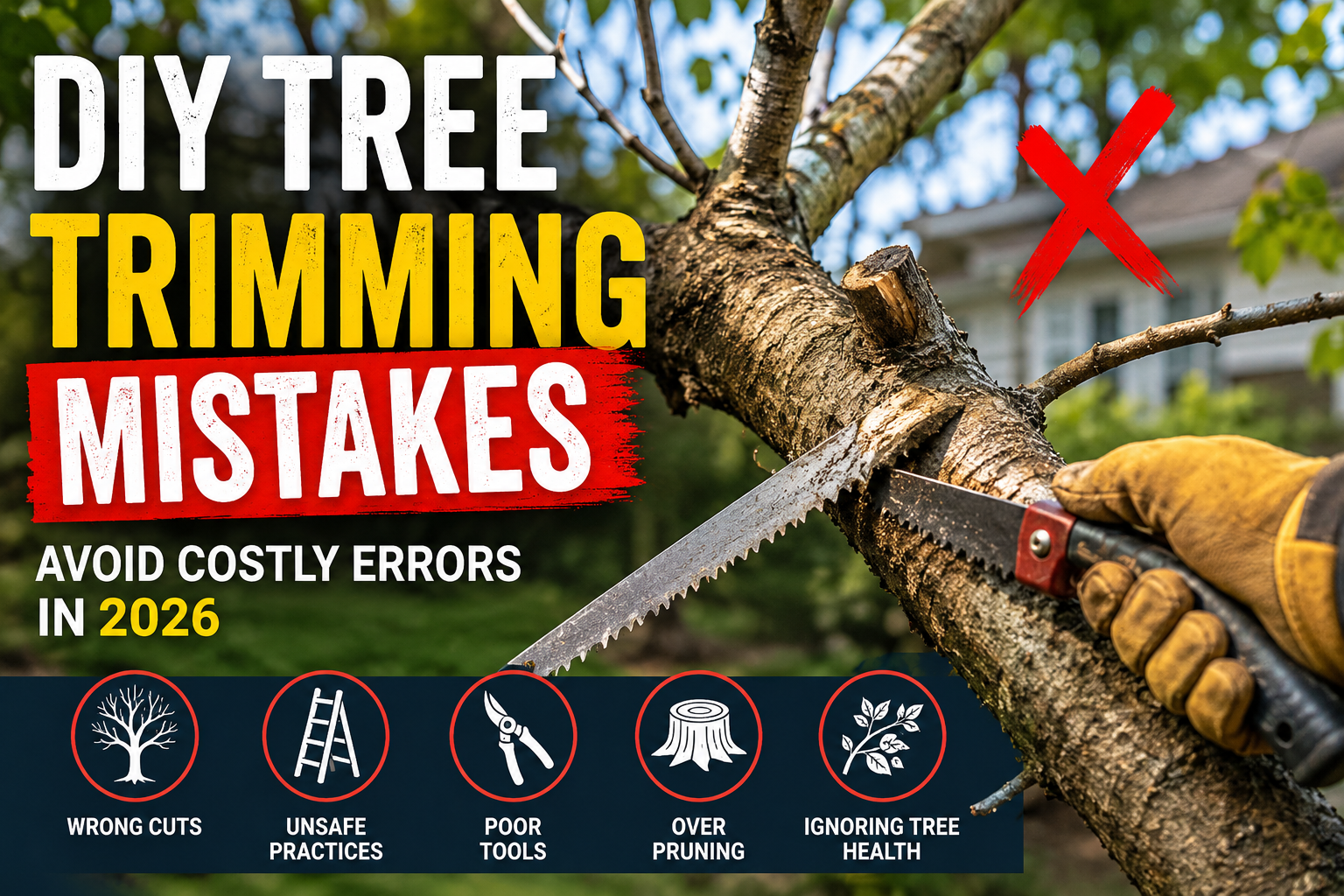
    Tree trimming can improve the appearance, safety, and structure of your landscape, but it is not as simple as cutting off unwanted branches. Many homeowners attempt to handle small pruning jobs themselves, only to make DIY Tree Trimming Mistakes that can weaken trees, encourage disease, or create expensive problems later.

    Understanding DIY Tree Trimming Mistakes is especially important for U.S. homeowners because tree species, weather, and pruning requirements vary from state to state. Whether you live in Texas, Florida, California, or another part of the country, learning basic pruning principles can help you protect your trees and property in 2026.

    1. Cutting Too Much at Once

    One of the most common DIY Tree Trimming Mistakes is removing too many branches during a single pruning session. Homeowners sometimes believe that cutting more branches will produce faster results, but excessive pruning can put significant stress on a tree.

    A tree needs its leaves to produce energy through photosynthesis. Removing too much of the canopy can reduce this energy production and leave the tree vulnerable to environmental stress.

    2. Topping the Tree

    Tree topping is another serious mistake. It involves cutting major branches back to stubs, often to reduce the tree’s height. This practice can create weak new growth and increase the risk of branch failure.

    Among the worst DIY Tree Trimming Mistakes, topping can permanently damage a tree’s natural structure. The new shoots that develop after topping may grow rapidly but are often poorly attached.

    Instead of topping, homeowners should use proper reduction pruning when appropriate.

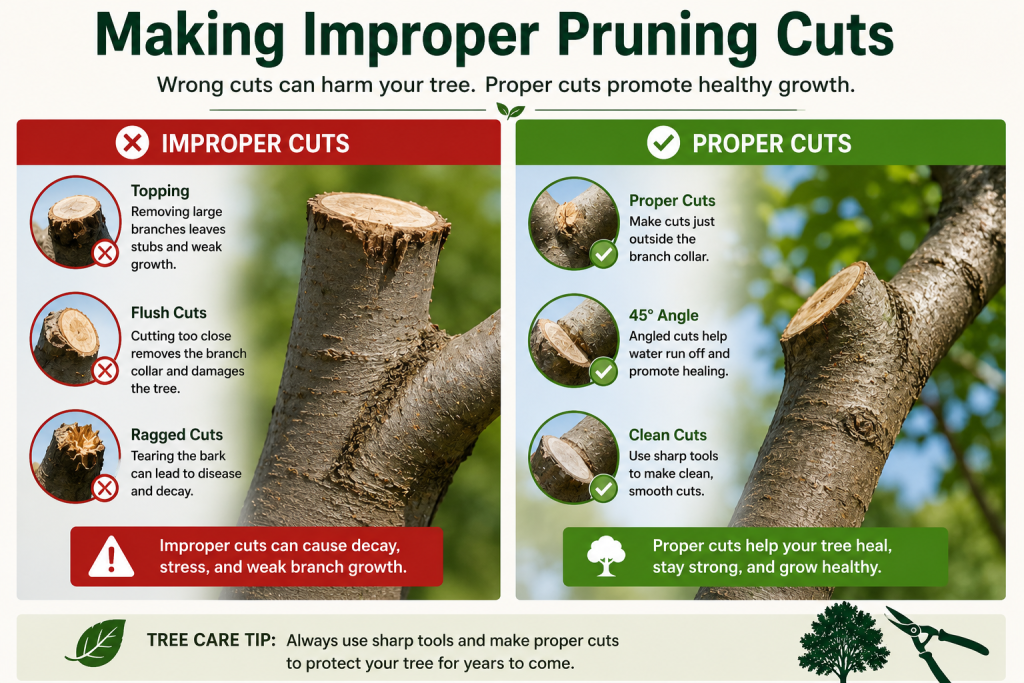
    Making improper pruning cuts that can damage tree health and cause decay

    3. Making Improper Pruning Cuts

    Incorrect cuts are among the most overlooked DIY Tree Trimming Mistakes. Cutting too close to the trunk can damage the branch collar, while leaving large stubs can slow healing and encourage decay.

    When removing a branch, the goal is generally to make a proper cut just outside the branch collar without damaging the trunk. Larger limbs may require a three-cut method to prevent the bark from tearing.

    4. Ignoring Tree Health

    Another common problem is making DIY Tree Trimming Mistakes without first checking the tree’s overall condition. A tree showing signs of disease, decay, pest activity, or severe structural weakness may require more than basic pruning.

    Before trimming, inspect the trunk, major branches, and canopy. Look for cavities, cracks, dead limbs, fungal growth, unusual leaf discoloration, and signs of insect damage.

    5. Trimming at the Wrong Time

    Timing is another area where homeowners make DIY Tree Trimming Mistakes. The ideal pruning season depends on the tree species, climate, and reason for trimming.

    For example, some trees benefit from dormant-season pruning, while flowering trees may be best pruned after blooming. In regions affected by specific tree diseases, seasonal pruning restrictions may also apply.

    Before starting a project, research the recommended pruning period for your tree and local area. This is particularly important for homeowners in states such as Texas.

    6. Using Dull or Dirty Tools

    Using poorly maintained equipment is one of the easiest DIY Tree Trimming Mistakes to prevent. Dull tools can create rough cuts that are difficult for trees to seal properly.

    Dirty pruning equipment can also contribute to the spread of pathogens between trees. Before beginning work, make sure your tools are sharp, clean, and appropriate for the branch size.

    7. Ignoring Power Lines and Safety Risks

    Some DIY Tree Trimming Mistakes can put homeowners in serious danger. Never attempt to cut branches that are touching or growing near electrical lines.

    Ladders, chainsaws, and large branches create additional risks. A falling limb can damage a roof, vehicle, fence, or person.

    If the tree is tall, located near a structure, or close to utility lines, hiring a trained professional is usually the safest choice.

    8. Removing the Wrong Branches

    Another frequent mistake is removing healthy structural branches while leaving dead or hazardous limbs behind. These DIY Tree Trimming Mistakes can make the tree less stable rather than improving it.

    Start by identifying branches that are dead, broken, diseased, crossing, or rubbing against one another. Avoid removing healthy major limbs unless there is a clear reason.

    9. Failing to Clean Up and Monitor the Tree

    After trimming, some homeowners simply walk away. However, avoiding cleanup and follow-up inspections can lead to additional problems.

    One of the less obvious DIY Tree Trimming Mistakes is failing to monitor fresh cuts and the surrounding tree afterward. Watch for unusual discoloration, decay, insect activity, or signs of disease.

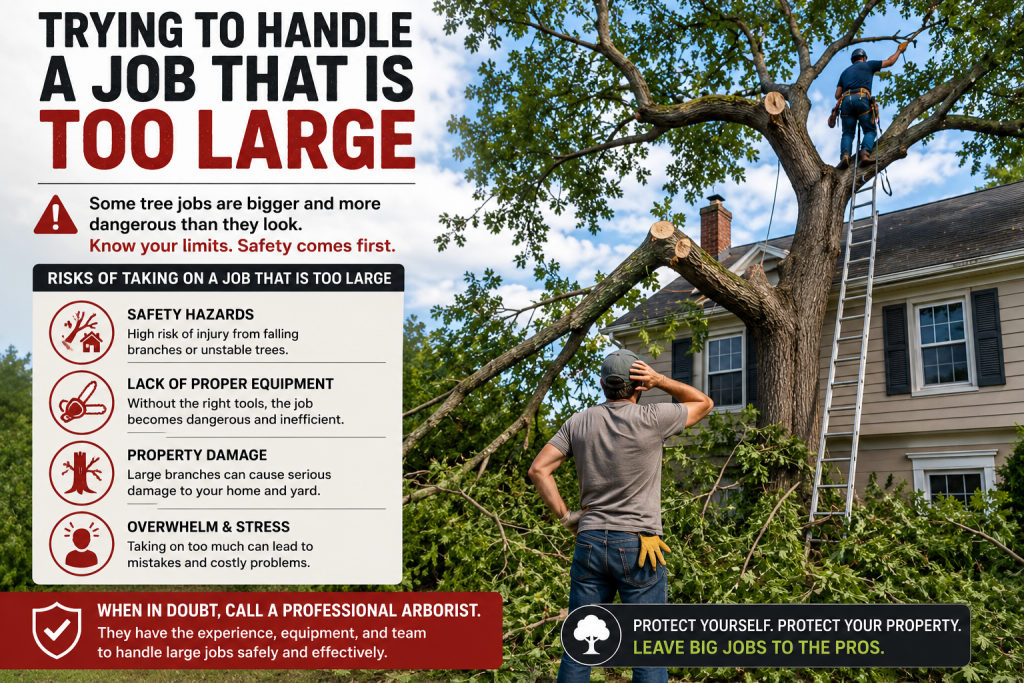
    Trying to handle a tree trimming job that is too large without professional equipment or expertise

    10. Trying to Handle a Job That Is Too Large

    Perhaps the biggest mistake is assuming every tree can be safely trimmed without professional help. Large trees require specialized equipment, knowledge, and experience.

    If your project involves significant DIY Tree Trimming Mistakes, a professional arborist may be able to identify problems before they become expensive. Consider hiring an expert when branches are large, the tree is unstable, the work requires climbing, or the tree is near power lines.

    Final Thoughts

    Avoiding DIY Tree Trimming Mistakes is essential for homeowners who want healthy, attractive, and structurally sound trees. The most common problems include excessive pruning, topping, improper cuts, poor timing, dirty tools, and unsafe work near power lines.

    By learning proper pruning techniques and knowing when to call a professional, you can make smarter tree-care decisions in 2026. Remember that every tree is different, so when in doubt, getting advice from a qualified arborist is often the safest investment.

    FAQs

    Is DIY tree trimming safe?

    Small pruning jobs may be manageable for homeowners when branches are low and easy to reach.

    What is the biggest tree trimming mistake?

    Topping is one of the most damaging practices because it can weaken tree structure and encourage poorly attached regrowth.

    How much of a tree can I trim?

    Avoid removing excessive amounts of live canopy at once. The appropriate amount depends on the tree’s species, age, health, and condition.

    Should I trim trees near power lines myself?

    No. Trees near electrical lines require professional attention because of the serious risk of electrical injury or death.

    When should I hire an arborist?

    Hire a qualified arborist for large trees, major structural problems, storm-damaged trees, suspected disease, or pruning near buildings and utility lines.

  • How Often Should Trees Be Trim? Complete 2026 Tree Care Guide

    How Often Should Trees Be Trim? Complete 2026 Tree Care Guide

    How Often Should Trees Be Trim?

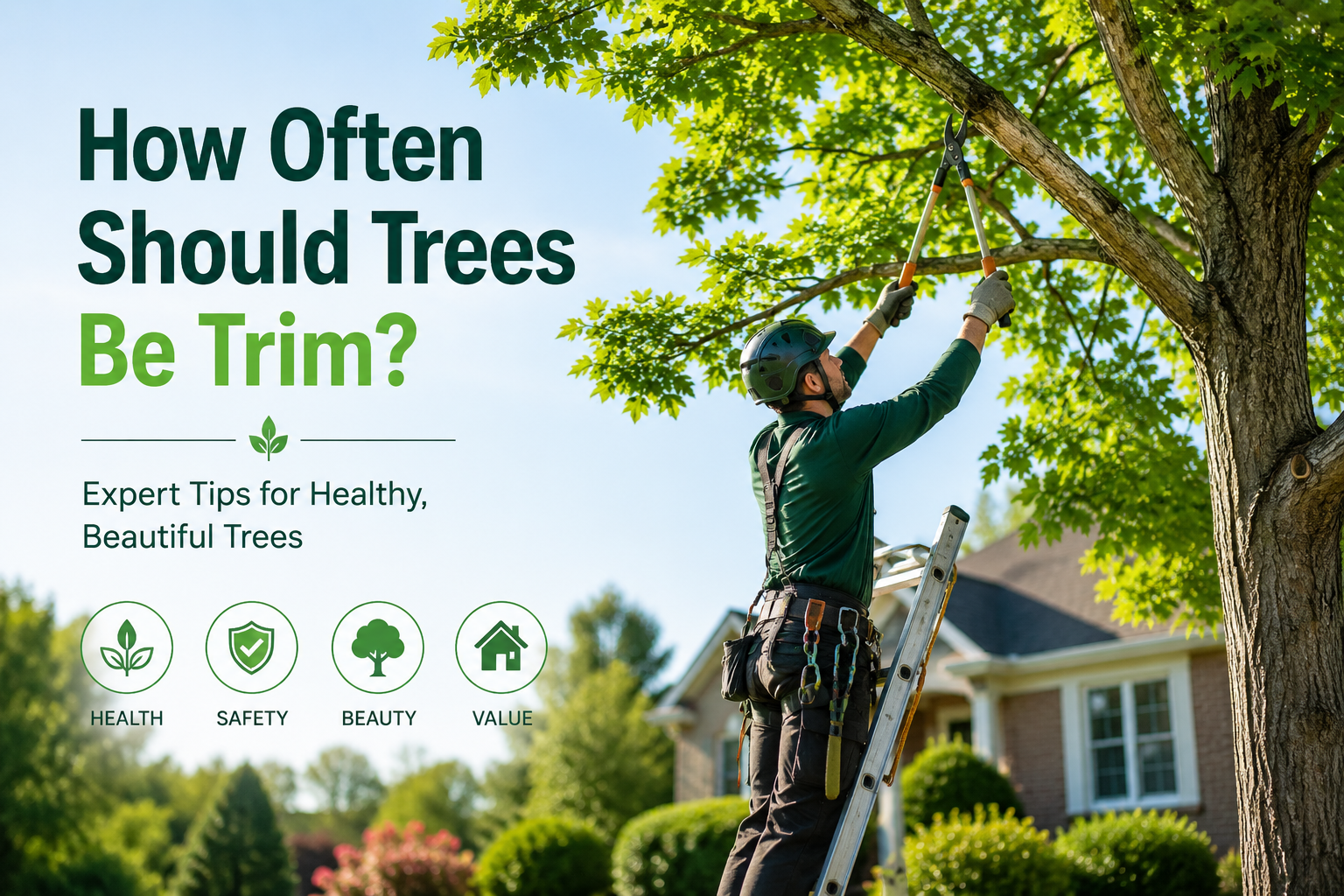
    Trees are an important part of any American landscape. They provide shade, improve curb appeal, support wildlife, and can even increase the beauty and value of a property. However, trees need proper maintenance to stay healthy and safe. One of the most common questions homeowners ask is, How Often Should Trees Be Trim to encourage healthy growth without causing unnecessary stress?

    The answer depends on several factors, including the tree’s species, age, health, growth rate, location, and purpose. There is no universal schedule that works for every tree. In general, young trees often need structural pruning every few years, while mature trees may only require maintenance trimming every three to five years.

    How Often Should Trees Be Trim?

    For most homeowners, How Often Should Trees Be Trim depends primarily on the condition and type of tree. Young trees may benefit from trimming every two to three years to develop strong branch structure. Mature shade trees commonly require attention every three to five years, although some healthy trees may go longer between major pruning sessions.

    Fast-growing trees, trees located near buildings, and trees growing close to utility lines may require more frequent attention. Fruit trees are another exception because annual pruning can support fruit production and maintain a productive structure.

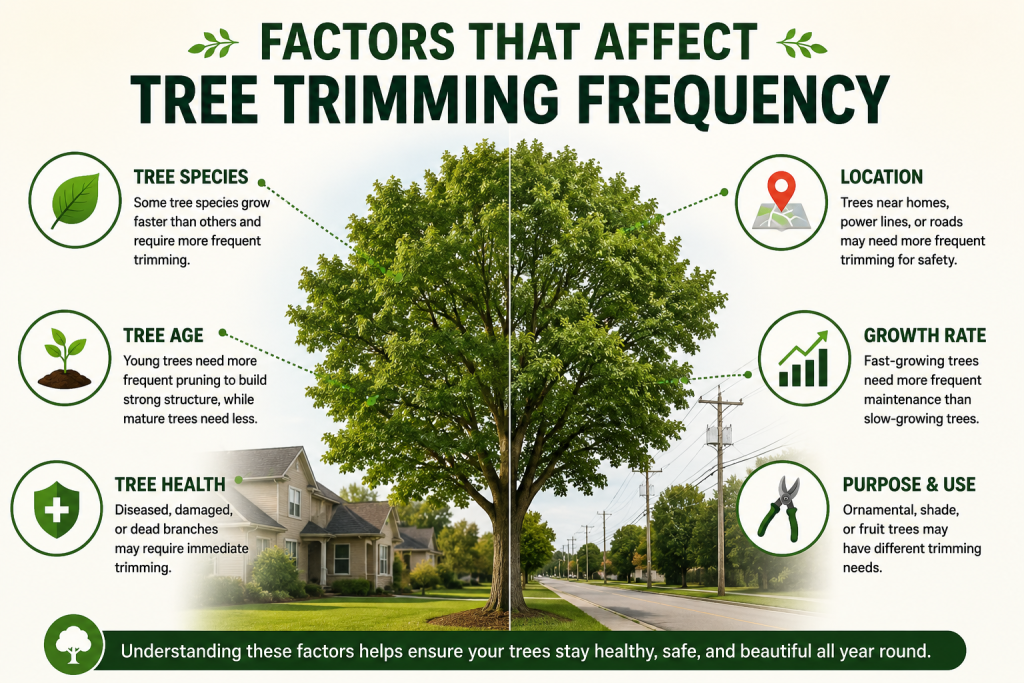
    An informative tree care graphic showing the main factors that influence tree trimming frequency, including species, age, health, location, growth rate, and purpose.

    Factors That Affect Tree Trimming Frequency

    When deciding How Often Should Trees Be Trim, consider these important factors:

    Tree species: Different species grow at different rates. Fast-growing trees generally need more frequent maintenance than slow-growing varieties.

    Tree age: Young trees benefit from formative pruning that establishes strong branch architecture. Mature trees typically need less frequent structural work.

    Tree health: Dead, broken, diseased, or hazardous branches should be addressed when they are discovered rather than waiting for a routine schedule.

    Location: Trees near homes, driveways, sidewalks, fences, or power lines may require more frequent trimming to maintain safe clearance.

    Growth rate: Rapid new growth can quickly create clearance or structural problems, requiring additional maintenance.

    How Often Should Young Trees Be Trimmed?

    If you are wondering How Often Should Trees Be Trim when they are young, the answer is usually every two to three years, depending on growth and structure. Early pruning is important because it can help establish a strong framework before branches become large and difficult to remove.

    Young trees should be inspected for crossing branches, competing leaders, weak attachments, and branches growing toward the center of the canopy. Correcting these problems early can reduce the need for major cuts later in the tree’s life.

    How Often Should Mature Trees Be Trimmed?

    For homeowners asking How Often Should Trees Be Trim on mature shade trees, a three-to-five-year maintenance cycle is a reasonable general guideline. However, mature trees should still be inspected regularly for hazards.

    A healthy mature tree may not need extensive pruning every year. Instead, trimming should focus on removing dead or damaged branches, correcting structural problems, improving clearance, and reducing potential hazards. The goal is to make necessary cuts without removing healthy branches unnecessarily.

    How Often Should Fruit Trees Be Trimmed?

    The answer to How Often Should Trees Be Trim changes when discussing fruit trees. Many fruit trees benefit from annual pruning, often during their dormant season, to maintain structure, improve sunlight penetration, and support fruit production.

    The exact timing depends on the fruit tree species and local climate. Homeowners should research the specific requirements of their tree before pruning because flowering and fruiting habits can influence the ideal schedule.

    Signs Your Trees Need Trimming

    Instead of relying only on the calendar to determine How Often Should Trees Be Trim, look for visible warning signs. These may include:

    • Dead or broken branches
    • Branches rubbing against each other
    • Overgrown limbs touching your roof
    • Branches blocking driveways or sidewalks
    • Dense growth that reduces airflow
    • Weak or poorly attached branches
    • Storm damage
    • Diseased or decaying limbs

    Hazardous or damaged branches may require prompt attention rather than waiting for the next scheduled trimming appointment.

    Best Time of Year to Trim Trees

    For many trees, How Often Should Trees Be Trim should be considered alongside when trimming takes place. Late winter or the dormant season is often recommended for routine pruning because the tree is not actively growing, and its branch structure is easier to see.

    However, timing varies by species and region. Certain trees have specific pruning requirements, and oak trees, for example, may have disease-related timing considerations in some areas. Homeowners should check local recommendations before pruning.

    Common Tree Trimming Mistakes

    Knowing How Often Should Trees Be Trim is important, but proper technique matters just as much. One of the biggest mistakes is over-pruning. Removing too many live branches can stress a tree and reduce its ability to produce food.

    Another serious mistake is tree topping, which involves cutting major branches back to stubs. The International Society of Arboriculture warns that topping can create long-term structural problems, increase risk, and damage the tree’s natural form.

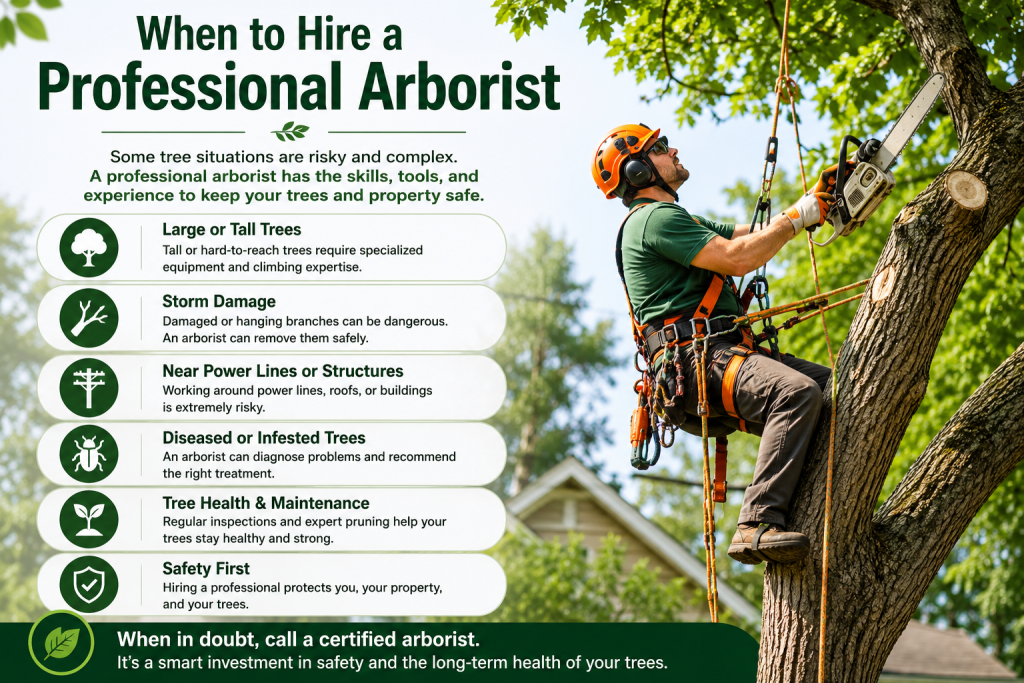
    A professional arborist safely works on a large tree using specialized equipment, demonstrating when expert tree care is recommended for tall, damaged, diseased, or difficult-to-reach trees.

    When to Hire a Professional Arborist

    If you’re still asking How Often Should Trees Be Trim, consider having your trees evaluated by a qualified professional. An experienced arborist can assess the species, age, health, structure, and location of your trees before recommending a maintenance schedule.

    Professional help is especially important for large trees, trees near power lines, storm-damaged trees, or branches that require climbing or specialized equipment. Tree work can be dangerous, and improper pruning can create permanent damage.

    Frequently Asked Questions

    Can trees be trimmed every year?

    Not necessarily. How Often Should Trees Be Trim varies by species and condition. Many mature trees do not need annual trimming, while fruit trees or rapidly growing trees may require more frequent maintenance.

    Is it better to trim trees in winter?

    For many species, late winter or the dormant season is a good time for routine pruning. However, the best timing depends on the specific tree species and local conditions.

    Should dead branches be removed immediately?

    Dead or broken branches can create safety risks and should generally be addressed when identified rather than waiting for a regular trimming schedule.

    Can trimming too often hurt a tree?

    Yes. Excessive or improper trimming can remove too much healthy foliage, weaken the tree, and create opportunities for pests and disease. How Often Should Trees Be Trim should always be determined by the tree’s actual needs rather than an unnecessarily frequent schedule.

    Final Thoughts

    So, How Often Should Trees Be Trim? For many young trees, every two to three years is a useful general guideline, while mature shade trees may need maintenance every three to five years. Fruit trees often require annual pruning, and trees with damaged or hazardous branches may need immediate attention.

    The best approach is to inspect your trees regularly and trim only when there is a clear purpose. By considering tree species, age, health, location, and growth rate, homeowners can create a practical maintenance plan that supports healthy growth and long-term safety. When large or hazardous trees are involved, working with a qualified arborist is the safest choice.

  • How Long Does Tree Removal Take? Complete 2026 Guide for U.S. Homeowners

    How Long Does Tree Removal Take? Complete 2026 Guide for U.S. Homeowners

    How Long Does Tree Removal Take?

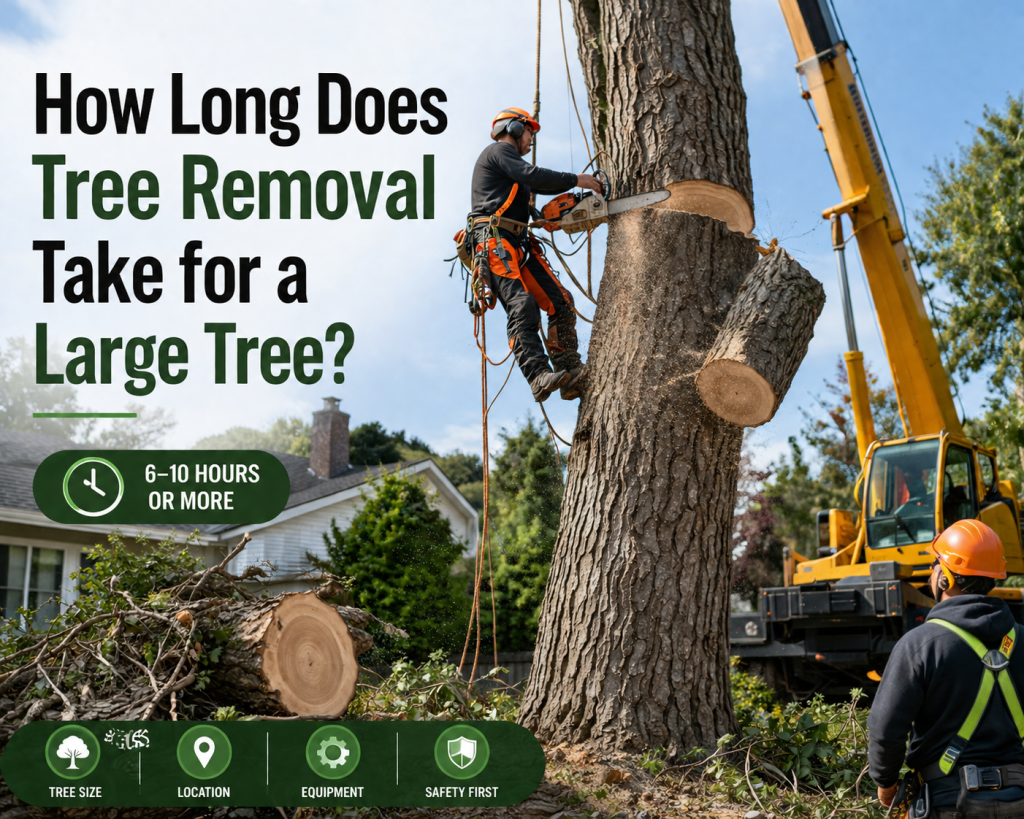
    If you are planning to remove a tree from your property, one of the first questions you may ask is: How Long Does Tree Removal Take? In most cases, professional tree removal takes anywhere from a few hours to an entire day, depending on the tree’s size, location, condition, and the complexity of the job.

    A small tree in an open backyard may be removed quickly, while a large tree near a house, power lines, or other structures can require specialized equipment and additional safety precautions. This complete 2026 guide explains How Long Does Tree Removal Take, what affects the timeline, and what homeowners across the United States should expect.

    How Long Does Tree Removal Take on Average?

    For most residential properties, tree removal takes approximately:

    • Small trees: 1–3 hours
    • Medium-sized trees: 3–6 hours
    • Large trees: 6–10 hours or more
    • Very large or hazardous trees: 1–2 days in some cases

    The answer to How Long Does Tree Removal Take depends heavily on the specific conditions at the property. A tree removal company may need to cut the tree into sections, use ropes and rigging systems, operate a crane, or carefully lower branches to prevent damage to nearby structures.

    What Factors Affect Tree Removal Time?

    Several important factors determine How Long Does Tree Removal Take for a particular tree.

    1. Tree Size and Height

    The larger and taller the tree, the longer the removal process usually takes. A small ornamental tree can often be removed quickly, while a mature oak, pine, or pecan tree may require several hours of careful cutting and lowering.

    Large trees typically require more workers, specialized equipment, and additional time for safe removal.

    2. Tree Location

    A tree standing in an open area is generally easier to remove than one located close to a home, garage, fence, driveway, or power line.

    When a tree is near structures, professionals often remove it piece by piece instead of allowing large sections to fall. This makes the process safer but can significantly increase the time required.

    3. Tree Condition

    Dead, diseased, leaning, or storm-damaged trees can make the job more complicated. Weak branches and unstable trunks may create additional hazards for workers and property.

    Because of these risks, hazardous tree removal may take longer than standard removal. A professional tree service must carefully plan every cut before beginning work.

    4. Equipment Required

    The equipment used can also affect How Long Does Tree Removal Take. Common equipment includes chainsaws, bucket trucks, wood chippers, stump grinders, cranes, ropes, and specialized rigging systems.

    For example, a crane may make it possible to remove a large tree from a difficult location, but setting up and operating the equipment can add time to the project.

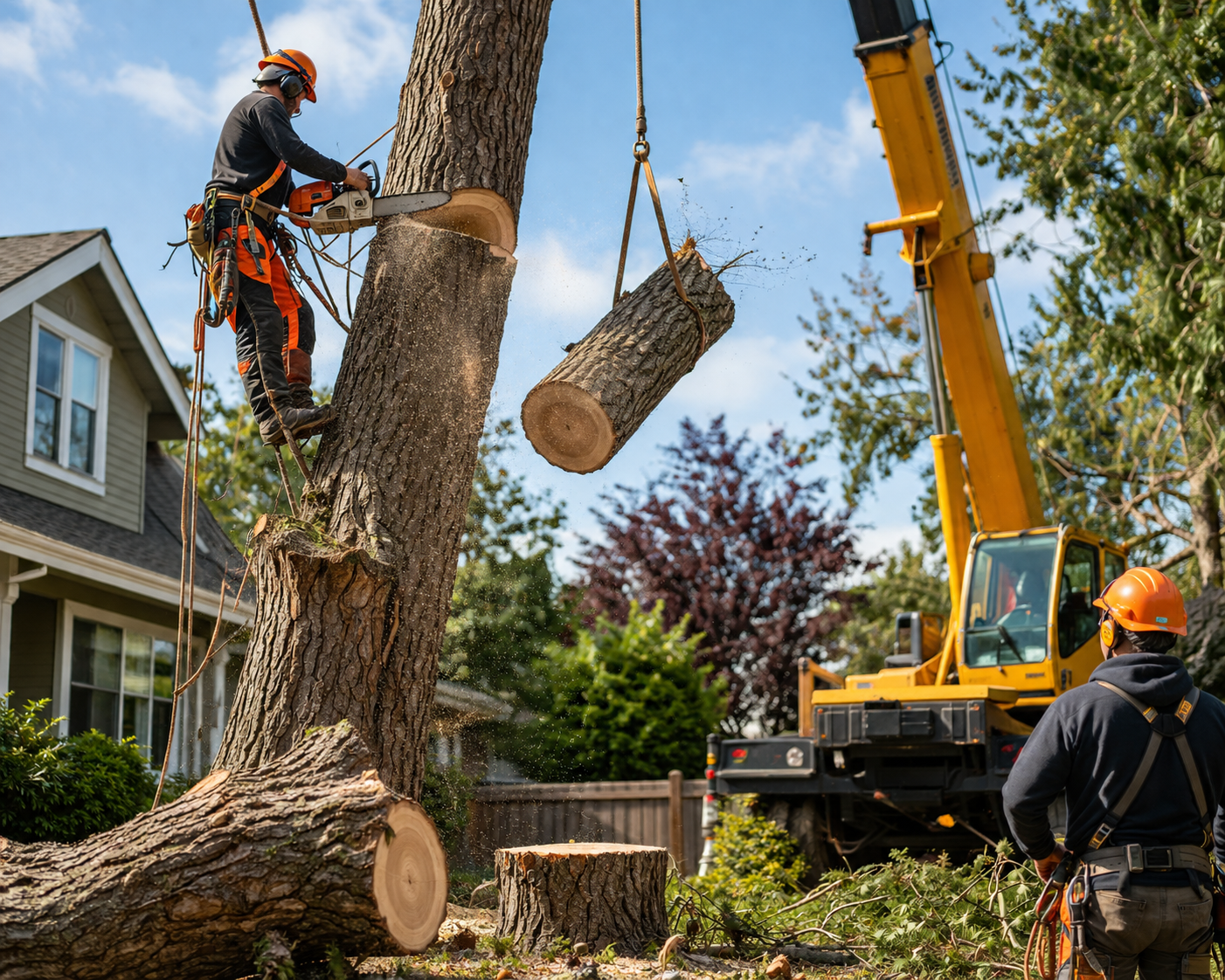
    Professional arborist removing a large tree with a crane and safety equipment in a residential yard.

    How Long Does Tree Removal Take for a Large Tree?

    Large tree removal commonly takes between half a day and a full day. However, very large trees or trees located in restricted areas may take longer.

    Professionals may first remove the branches, then cut the trunk into manageable sections. Each piece may need to be lowered safely to the ground using ropes or heavy equipment.

    Homeowners should not assume that a large tree can be removed quickly simply because professional equipment is available. Safety planning is one of the most important parts of the process.

    Does Tree Removal Include Cleanup?

    When asking How Long Does Tree Removal Take, homeowners should also ask what is included in the service.

    Many professional tree removal companies include basic cleanup, such as:

    • Removing branches and debris
    • Cutting the trunk into manageable pieces
    • Chipping smaller branches
    • Cleaning the work area
    • Hauling away wood when included in the agreement

    However, stump removal is often a separate service. If you want the stump completely removed or ground below the soil level, ask about stump grinding when receiving your estimate.

    How Long Does Tree Removal Take During an Emergency?

    Emergency tree removal after a storm can sometimes take longer than normal because the tree may be unstable, partially fallen, or tangled with other trees and structures.

    In addition, demand for tree services often increases after hurricanes, tornadoes, severe thunderstorms, and ice storms. This can affect both the time required to complete the work and how quickly a company can arrive.

    If a damaged tree is leaning toward your home, blocking an entrance, or touching power lines, stay away from the area and contact the appropriate professionals immediately.

    How Long Does Tree Removal Take in Dallas and Other U.S. Cities?

    In areas such as Dallas, Texas, tree removal times can vary based on the type of tree, weather conditions, property layout, and local regulations.

    Some trees may require permits or additional approval depending on local rules and the property location. Before scheduling removal, homeowners should ask a local professional whether permits are required.

    Local conditions can also affect How Long Does Tree Removal Take, especially when trees are located near homes, roads, utility lines, or neighboring properties.

    Professional tree removal worker planning a safe and efficient tree removal process in a residential yard.

    How to Make Tree Removal Faster and Easier

    You can help reduce delays by:

    1. Clearing vehicles and outdoor furniture from the work area.
    2. Informing the tree company about underground utilities or irrigation systems.
    3. Keeping children and pets away from the job site.
    4. Confirming whether permits are required.
    5. Asking what cleanup and disposal services are included.
    6. Getting a professional inspection before the work begins.

    A professional assessment gives the tree company a better understanding of the risks and helps create a more accurate timeline.

    Final Answer: How Long Does Tree Removal Take?

    So, How Long Does Tree Removal Take? Most residential tree removal projects take between a few hours and one full day. Small trees may be removed in just a few hours, while large, hazardous, or difficult-to-access trees may require a full day or longer.

    The best way to know How Long Does Tree Removal Take for your specific property is to schedule an inspection with a qualified tree removal professional. They can evaluate the tree’s size, condition, location, and surrounding hazards before providing an estimated timeline.

    For U.S. homeowners, professional tree removal is the safest option when a tree is dead, severely damaged, diseased, or threatening property. Proper planning can make the process more efficient while reducing the risk of injuries and property damage.

  • Tree Removal Safety Tips (2026 Guide for U.S. Homeowners)

    Tree Removal Safety Tips (2026 Guide for U.S. Homeowners)

    Tree Removal Safety Tips

    Trees improve the beauty, shade, and value of any property. However, when a tree becomes diseased, damaged, or unstable, removing it safely becomes essential. Following the right Tree Removal Safety Tips can prevent injuries, protect your home, and reduce costly damage.

    Whether you’re dealing with a dead tree after a storm or planning a landscaping project, understanding safe removal practices is critical. This 2026 guide is designed specifically for U.S. homeowners and explains everything you need to know before cutting down a tree.


    Why Tree Removal Safety Matters

    Tree removal is one of the most dangerous outdoor tasks. Falling branches, unstable trunks, power lines, and chainsaw accidents can all lead to severe injuries or property damage.

    Following proper Tree Removal Safety Tips helps you:

    • Prevent accidents and injuries
    • Protect nearby buildings and vehicles
    • Avoid electrical hazards
    • Reduce property damage
    • Complete projects safely and efficiently

    Inspect the Tree Before Removal

    The first step in safe tree removal is a complete inspection.

    Look for:

    • Dead or hanging branches
    • Large cracks in the trunk
    • Leaning trees
    • Hollow sections
    • Signs of disease or decay
    • Nearby power lines

    One of the most important Tree Removal Safety Tips is never assuming a tree will fall in the direction you expect.


    Wear Proper Safety Equipment

    Personal protective equipment (PPE) is essential.

    Always wear:

    • Safety helmet
    • Eye protection
    • Hearing protection
    • Chainsaw-resistant gloves
    • Cut-resistant chaps
    • Steel-toe boots
    • Long sleeves and durable pants

    These Tree Removal Safety Tips significantly reduce the risk of injury.


    Keep a Safe Work Area

    Before cutting begins:

    • Remove vehicles from the area.
    • Keep children and pets indoors.
    • Clear obstacles from escape routes.
    • Mark a safety perimeter.

    Professional arborists often keep people at least twice the tree’s height away from the work zone.

    Following these Tree Removal Safety Tips keeps everyone protected.


    Never Remove Trees Near Power Lines

    Electricity is one of the biggest hazards during tree removal.

    If branches touch or are close to utility lines:

    • Do not climb the tree.
    • Do not use ladders.
    • Do not attempt DIY removal.
    • Contact your local utility company.
    • Hire a licensed tree removal company.

    Ignoring this important Tree Removal Safety Tips guideline could be life-threatening.


    Plan the Tree’s Falling Direction

    Before making the first cut:

    • Check the natural lean.
    • Evaluate wind direction.
    • Look for nearby structures.
    • Identify escape routes.
    • Remove obstacles from the landing zone.

    Proper planning is one of the smartest Tree Removal Safety Tips homeowners can follow.


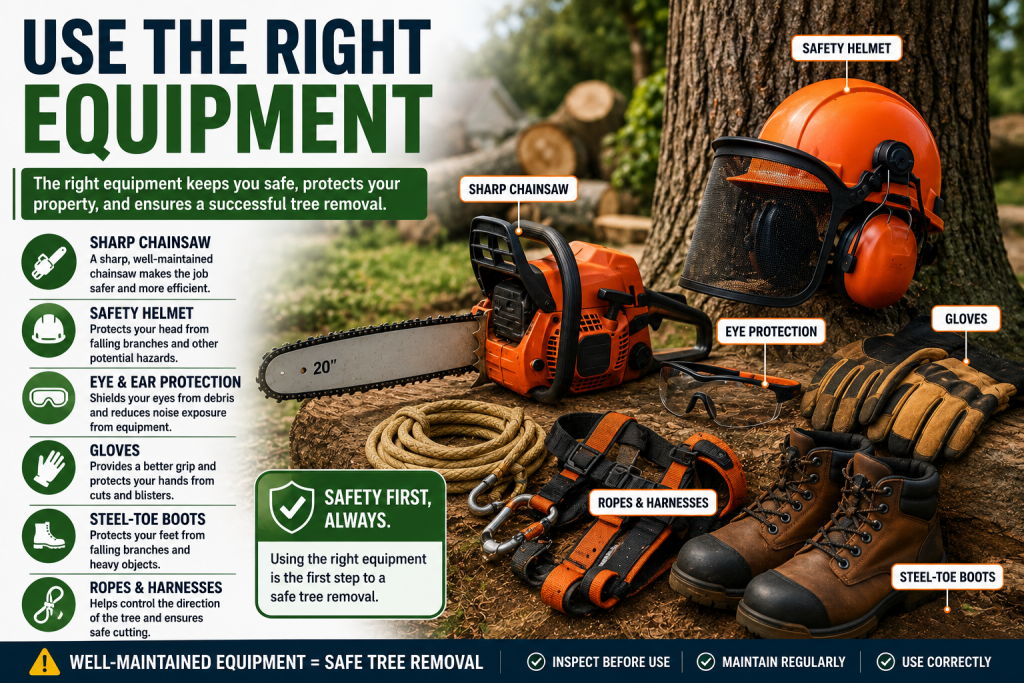
    Essential tree removal equipment including chainsaw, helmet, gloves, eye protection, ropes, and steel-toe boots.

    Use the Right Equipment

    Never use damaged tools.

    Recommended equipment includes:

    • Sharp chainsaw
    • Felling wedges
    • Safety ropes
    • Helmet
    • First-aid kit
    • Fuel stored safely

    Using proper equipment is a fundamental part of effective Tree Removal Safety Tips.


    Avoid Working Alone

    Tree removal should never be a one-person job.

    Always have someone nearby who can:

    • Watch for hazards
    • Call emergency services if needed
    • Assist with equipment
    • Monitor the tree’s movement

    One of the best Tree Removal Safety Tips is ensuring another adult is present throughout the project.


    Watch the Weather

    Weather affects tree stability.

    Avoid removing trees during:

    • Strong winds
    • Heavy rain
    • Thunderstorms
    • Snow or ice
    • Poor visibility

    Good weather makes following Tree Removal Safety Tips much easier and safer.


    Know When to Hire Professionals

    Some trees should always be handled by certified experts.

    Hire professionals if:

    • The tree is over 30 feet tall.
    • It leans toward your home.
    • It is storm-damaged.
    • It has split trunks.
    • It is close to power lines.
    • Heavy equipment is required.

    Professional crews have training, insurance, and specialized equipment that make tree removal much safer.


    Common Mistakes to Avoid

    Many homeowners make avoidable mistakes.

    Do not:

    • Stand directly behind the tree
    • Cut without an escape route
    • Ignore tree lean
    • Work with dull chainsaws
    • Remove trees during storms
    • Climb trees with chainsaws
    • Leave broken limbs hanging

    Avoiding these mistakes is one of the most valuable Tree Removal Safety Tips for beginners.


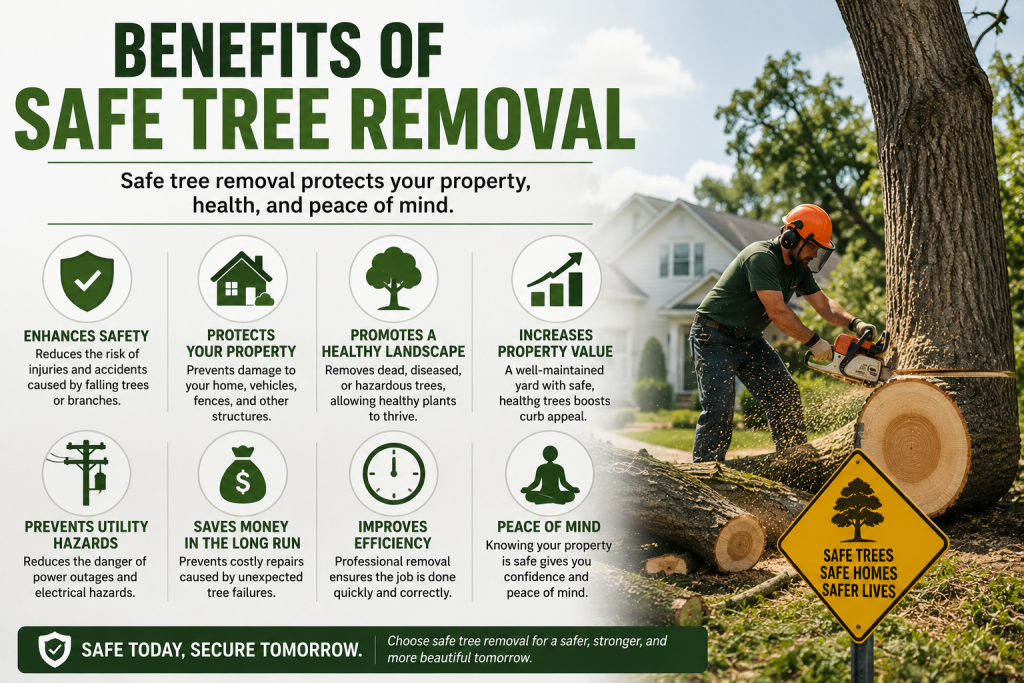
    Infographic showing the benefits of safe tree removal, including improved safety, property protection, healthy landscaping, and peace of mind.

    Benefits of Safe Tree Removal

    Following proper safety practices provides several advantages.

    Benefits include:

    • Safer working conditions
    • Lower injury risk
    • Reduced property damage
    • Better control of tree direction
    • Faster cleanup
    • Protection of nearby landscaping
    • Peace of mind

    These Tree Removal Safety Tips help homeowners complete projects with greater confidence.


    Final Thoughts

    Tree removal may appear straightforward, but it carries significant risks. Every year, thousands of Americans suffer injuries during unsafe tree removal attempts. By following these proven Tree Removal Safety Tips, inspecting trees carefully, wearing protective gear, using the proper equipment, and recognizing when to call professionals, you can greatly reduce those risks.

    If you’re unsure about any part of the job, hiring an experienced tree removal service is often the safest and most cost-effective decision. In 2026, safety should always come before saving time or money.


    Frequently Asked Questions (FAQs)

    1. What are the most important Tree Removal Safety Tips?

    Inspect the tree, wear protective gear, use proper equipment, keep people away, plan the fall direction, and never work near power lines without professional assistance.

    2. Can I remove a large tree myself?

    Small trees may be manageable, but large, leaning, damaged, or diseased trees should be removed by licensed professionals.

    3. Is tree removal dangerous?

    Yes. Tree removal involves chainsaws, heavy branches, falling trunks, and electrical hazards, making it one of the most hazardous outdoor tasks.

    4. What safety equipment is required?

    A helmet, eye and hearing protection, chainsaw chaps, gloves, steel-toe boots, and sturdy clothing are essential.

    5. When should I hire a professional tree removal company?

    Hire a professional if the tree is large, close to power lines or buildings, storm-damaged, or if you lack the experience or equipment to remove it safely.

  • Large Tree Removal Process Explained (2026 Guide )

    Large Tree Removal Process Explained (2026 Guide )

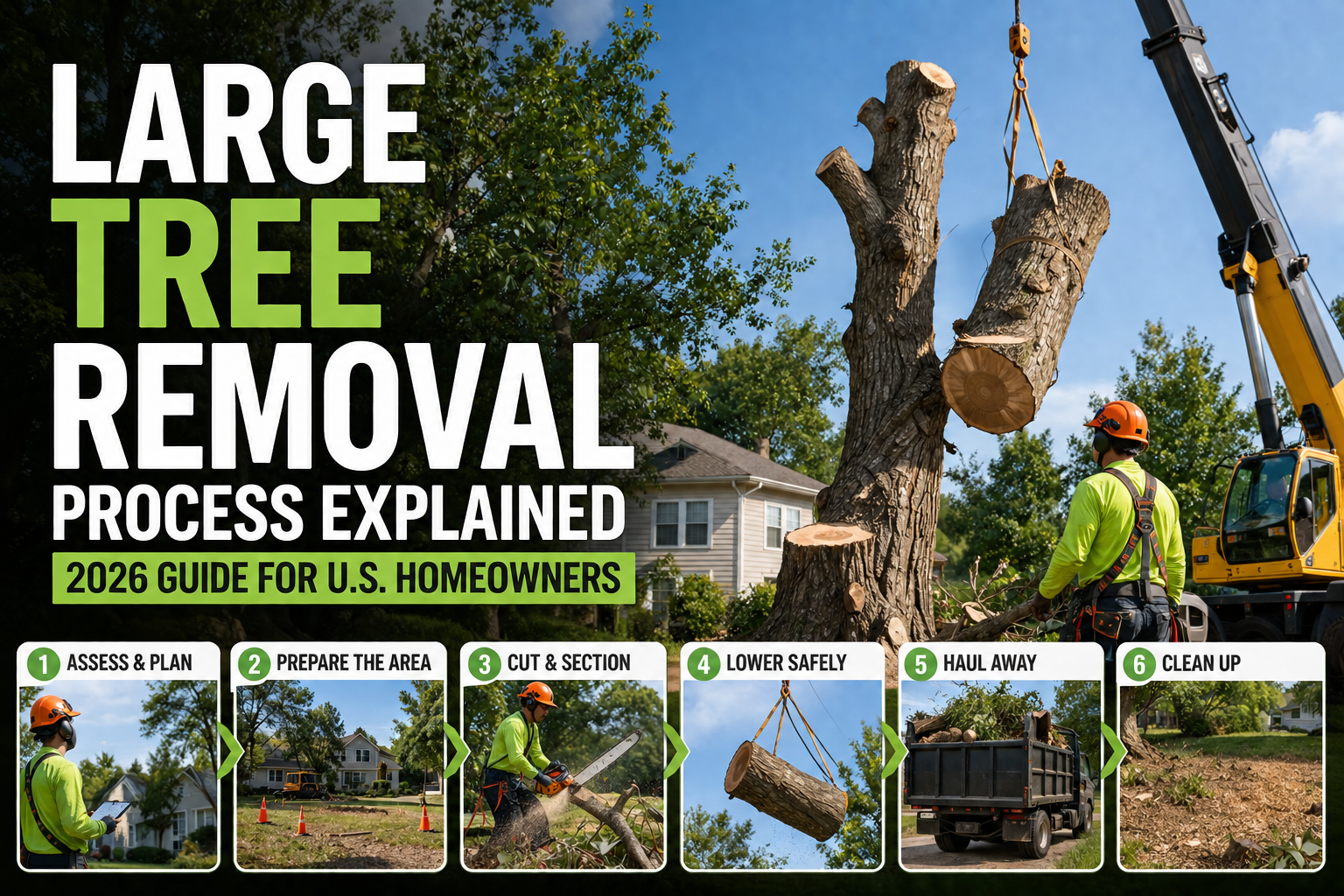
    Large Tree Removal Process Explained:

    Removing a large tree is one of the most challenging landscaping projects a homeowner can face. Whether a tree is diseased, storm-damaged, or threatening nearby structures, the job requires careful planning, specialized equipment, and trained professionals. This Large Tree Removal Process Explained guide walks U.S. homeowners through every step so you know what to expect before the work begins.

    Understanding the Large Tree Removal Process Explained can help you make informed decisions, improve safety, and avoid unnecessary costs.


    Why Large Trees Need Professional Removal

    Large trees can weigh several tons, making removal dangerous without proper equipment and experience. Attempting a DIY removal increases the risk of injury, property damage, and liability.

    Professional tree removal is recommended when a tree:

    • Is dead or dying
    • Has severe storm damage
    • Is leaning dangerously
    • Has extensive disease or decay
    • Threatens homes, driveways, or power lines
    • Interferes with construction projects

    Hiring experienced professionals ensures the Large Tree Removal Process Explained is completed safely and efficiently.


    Step 1: Tree Inspection and Risk Assessment

    The first step in the Large Tree Removal Process Explained is a detailed inspection.

    A certified arborist evaluates:

    • Tree height
    • Trunk condition
    • Branch stability
    • Root health
    • Lean direction
    • Nearby buildings
    • Utility lines
    • Access for equipment

    This assessment helps determine the safest removal strategy.


    Step 2: Planning the Removal

    Before cutting begins, professionals create a removal plan.

    Planning includes:

    • Selecting the safest fall direction
    • Identifying escape routes
    • Protecting nearby structures
    • Securing the work area
    • Obtaining permits if required

    Every successful Large Tree Removal Process Explained project starts with careful preparation.


    Step 3: Preparing the Work Area

    Safety is the highest priority.

    The crew will:

    • Set up safety barriers
    • Move outdoor furniture
    • Protect landscaping
    • Close access to the work zone
    • Position trucks and equipment

    Preparing the site minimizes risks to people and property.


    Step 4: Removing Large Branches First

    Instead of cutting the entire tree at once, professionals remove branches in sections.

    Using climbing gear, cranes, or bucket trucks, they carefully lower heavy limbs with ropes.

    This controlled method:

    • Prevents falling debris
    • Protects nearby buildings
    • Reduces stress on the trunk
    • Improves worker safety

    This is one of the most important stages in the Large Tree Removal Process Explained.


    Step 5: Cutting the Trunk in Sections

    Once the canopy has been removed, the trunk is cut into manageable pieces.

    Depending on the location, crews may:

    • Climb the tree
    • Use cranes
    • Lower sections with rigging ropes
    • Cut from top to bottom

    Each section is carefully lowered instead of allowed to fall freely.


    Step 6: Removing the Remaining Trunk

    After the upper trunk has been dismantled, the remaining base is cut close to ground level.

    Large log sections are loaded onto trucks using specialized equipment.

    At this stage of the Large Tree Removal Process Explained, the major hazard has been eliminated.


    Step 7: Stump Removal or Grinding

    Homeowners usually choose between:

    Stump Grinding

    • Faster
    • Less expensive
    • Leaves roots underground

    Complete Stump Removal

    • Removes roots
    • Ideal for construction
    • More labor-intensive

    Many U.S. homeowners prefer stump grinding because it is cost-effective and allows for easy landscaping afterward.


    Step 8: Cleanup and Debris Removal

    Professional tree companies finish the project by cleaning the property.

    Cleanup includes:

    • Removing logs
    • Chipping branches
    • Raking debris
    • Hauling away wood
    • Final safety inspection

    A complete cleanup is the final step in the Large Tree Removal Process Explained.


    Equipment Used for Large Tree Removal

    Professional crews use specialized equipment such as:

    • Chainsaws
    • Bucket trucks
    • Cranes
    • Rigging ropes
    • Wood chippers
    • Safety harnesses
    • Helmets and protective gear
    • Log loaders

    The right equipment improves both efficiency and safety.


    How Much Does Large Tree Removal Cost in 2026?

    Costs vary depending on tree size, location, and complexity.

    Average U.S. prices include:

    • Small large tree: $800–$1,500
    • Medium large tree: $1,500–$2,500
    • Extra-large tree: $2,500–$5,000+

    Additional costs may apply for:

    • Emergency removal
    • Crane services
    • Stump grinding
    • Permit fees
    • Hazardous locations

    Getting multiple estimates is the best way to compare pricing.


    Safety Tips for Homeowners

    During removal, homeowners should:

    • Stay away from the work zone.
    • Keep children and pets indoors.
    • Never stand beneath suspended branches.
    • Follow the crew’s safety instructions.
    • Avoid parking vehicles near the tree.

    These precautions help ensure the Large Tree Removal Process Explained is completed without accidents.


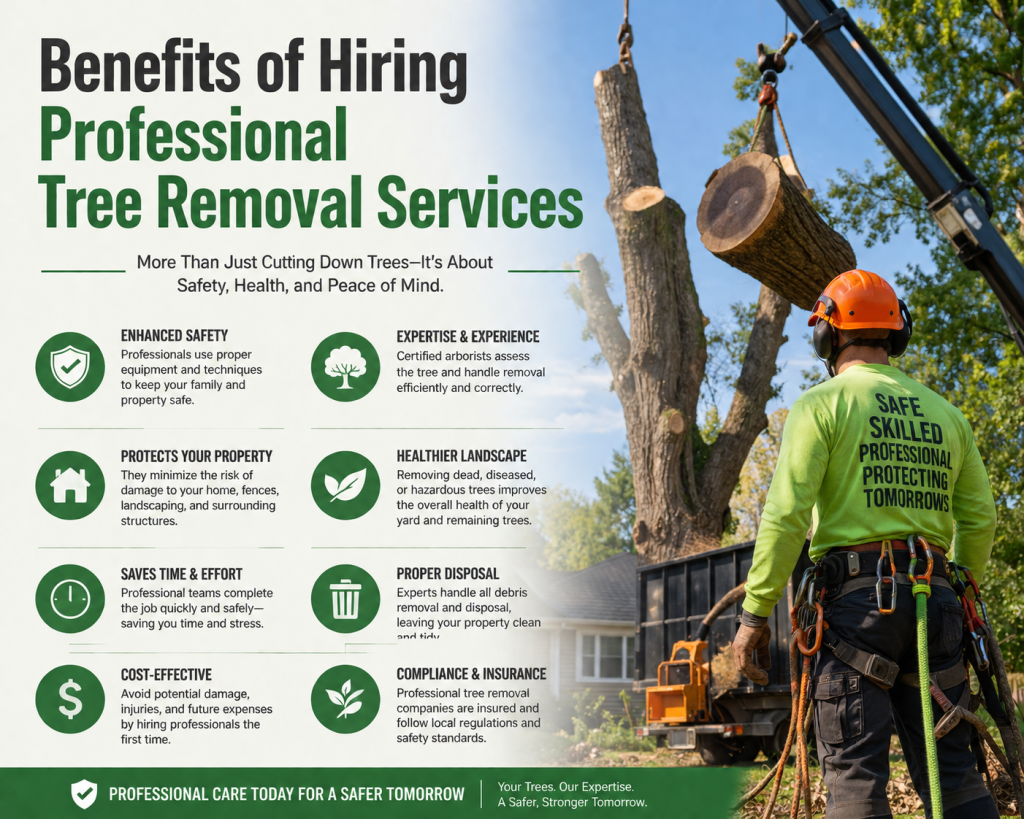
    Benefits of hiring professional tree removal services, including improved safety, property protection, expert removal, proper debris disposal, and a healthier landscape.

    Benefits of Hiring Professional Tree Removal Services

    Professional companies provide:

    • Licensed and insured crews
    • Advanced safety equipment
    • Faster project completion
    • Proper debris disposal
    • Reduced property damage
    • Expert tree assessments

    Experienced professionals understand every stage of the Large Tree Removal Process Explained, making the process safer and more efficient than attempting it yourself.


    Final Thoughts

    Understanding the Large Tree Removal Process Explained helps homeowners prepare for one of the most complex tree care services. From the initial inspection to stump grinding and cleanup, each step is designed to protect people, property, and surrounding landscapes.

    If you have a large tree showing signs of disease, storm damage, or structural instability, contact a qualified tree service company. Investing in professional removal protects your home, increases safety, and preserves the value of your property in 2026 and beyond.


    Frequently Asked Questions (FAQs)

    How long does large tree removal take?

    Most projects take between a few hours and one full day, depending on the tree’s size and location.

    Can a large tree be removed without damaging my yard?

    Yes. Professional crews use rigging systems, cranes, and protective measures to minimize damage.

    Is a permit required for large tree removal?

    Some U.S. cities require permits, especially for protected or heritage trees. Check with your local municipality.

    Should I remove the stump after tree removal?

    Stump grinding is recommended if you want a cleaner landscape and to prevent pests or regrowth.

    Is DIY large tree removal safe?

    No. Large tree removal is extremely dangerous and should only be performed by trained professionals with the proper equipment.

  • Tree Removal vs Tree Trimming (2026 Guide): Which Service Do You Really Need?

    Tree Removal vs Tree Trimming (2026 Guide): Which Service Do You Really Need?

    Tree Removal vs Tree Trimming: Complete 2026 Guide for U.S. Homeowners

    If you’re unsure whether your tree needs trimming or complete removal, you’re not alone. Many homeowners struggle to decide which service is best for their property. Understanding Tree Removal vs Tree Trimming can help you save money, protect your home, and keep your landscape healthy.

    In this 2026 guide, we’ll explain the key differences, benefits, costs, and situations where each service is appropriate.


    What Is Tree Trimming?

    Tree trimming is the process of cutting away selected branches to improve a tree’s health, appearance, and safety. It helps maintain proper growth while removing dead, diseased, or overgrown limbs.

    Professional trimming can:

    • Improve tree health
    • Increase sunlight exposure
    • Prevent falling branches
    • Enhance curb appeal
    • Promote healthy growth

    For most healthy trees, trimming every 3–5 years is recommended, although some species require more frequent maintenance.


    What Is Tree Removal?

    Tree removal involves completely cutting down a tree and removing it from the property. This service is typically recommended when the tree has become unsafe or cannot be saved.

    Common reasons for removal include:

    • Dead or dying trees
    • Severe storm damage
    • Large structural cracks
    • Root damage
    • Disease beyond treatment
    • Trees leaning dangerously
    • Construction or landscape renovation

    Knowing the difference in Tree Removal vs Tree Trimming helps homeowners avoid unnecessary expenses.


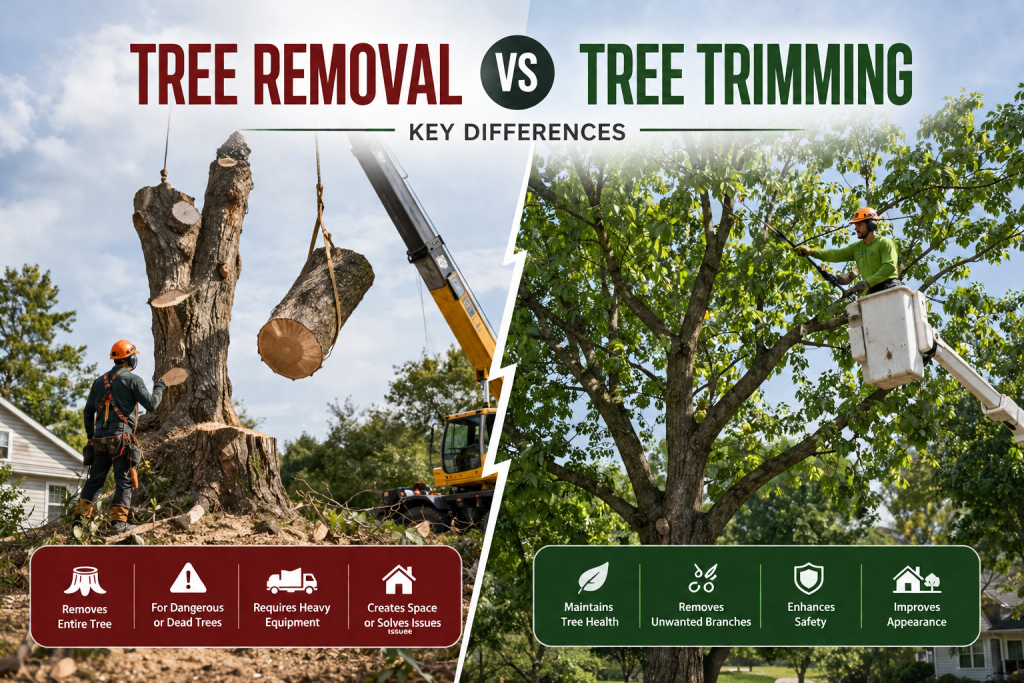
    Key differences between tree removal and tree trimming services for U.S. homeowners

    Tree Removal vs Tree Trimming: Key Differences

    FeatureTree TrimmingTree Removal
    PurposeImprove tree healthEliminate hazardous tree
    CostLowerHigher
    Time RequiredUsually a few hoursSeveral hours or more
    Tree RemainsYesNo
    Property ValueImproves appearanceImproves safety
    Best ForHealthy treesDead or dangerous trees

    Understanding Tree Removal vs Tree Trimming makes it easier to choose the right solution before problems become worse.


    When Should You Choose Tree Trimming?

    Tree trimming is the better option when your tree is generally healthy but needs maintenance.

    Choose trimming if your tree has:

    • Dead branches
    • Overgrown limbs
    • Branches touching your roof
    • Poor shape
    • Dense canopy blocking sunlight
    • Minor storm damage

    Routine trimming extends the lifespan of trees and reduces future risks.


    When Is Tree Removal Necessary?

    Sometimes trimming simply isn’t enough.

    Professional removal is recommended if your tree:

    • Is completely dead
    • Has extensive decay
    • Is leaning after a storm
    • Has major trunk damage
    • Is damaging your foundation
    • Poses a danger to power lines
    • Cannot recover from disease

    In many situations involving Tree Removal vs Tree Trimming, removal becomes the safest long-term investment.


    Cost Comparison in the United States (2026)

    Although prices vary by location and tree size, average costs are:

    Tree Trimming

    • Small trees: $150–$350
    • Medium trees: $350–$700
    • Large trees: $700–$1,200+

    Tree Removal

    • Small trees: $300–$700
    • Medium trees: $700–$1,500
    • Large trees: $1,500–$3,500+

    Emergency services after storms usually cost more due to increased risks.


    Benefits of Professional Tree Services

    Whether you need trimming or removal, hiring certified professionals offers many advantages.

    Benefits include:

    • Safe equipment handling
    • Proper climbing techniques
    • Insurance protection
    • Expert diagnosis
    • Faster project completion
    • Reduced property damage risk

    Attempting large tree work yourself can lead to serious injuries or costly damage.


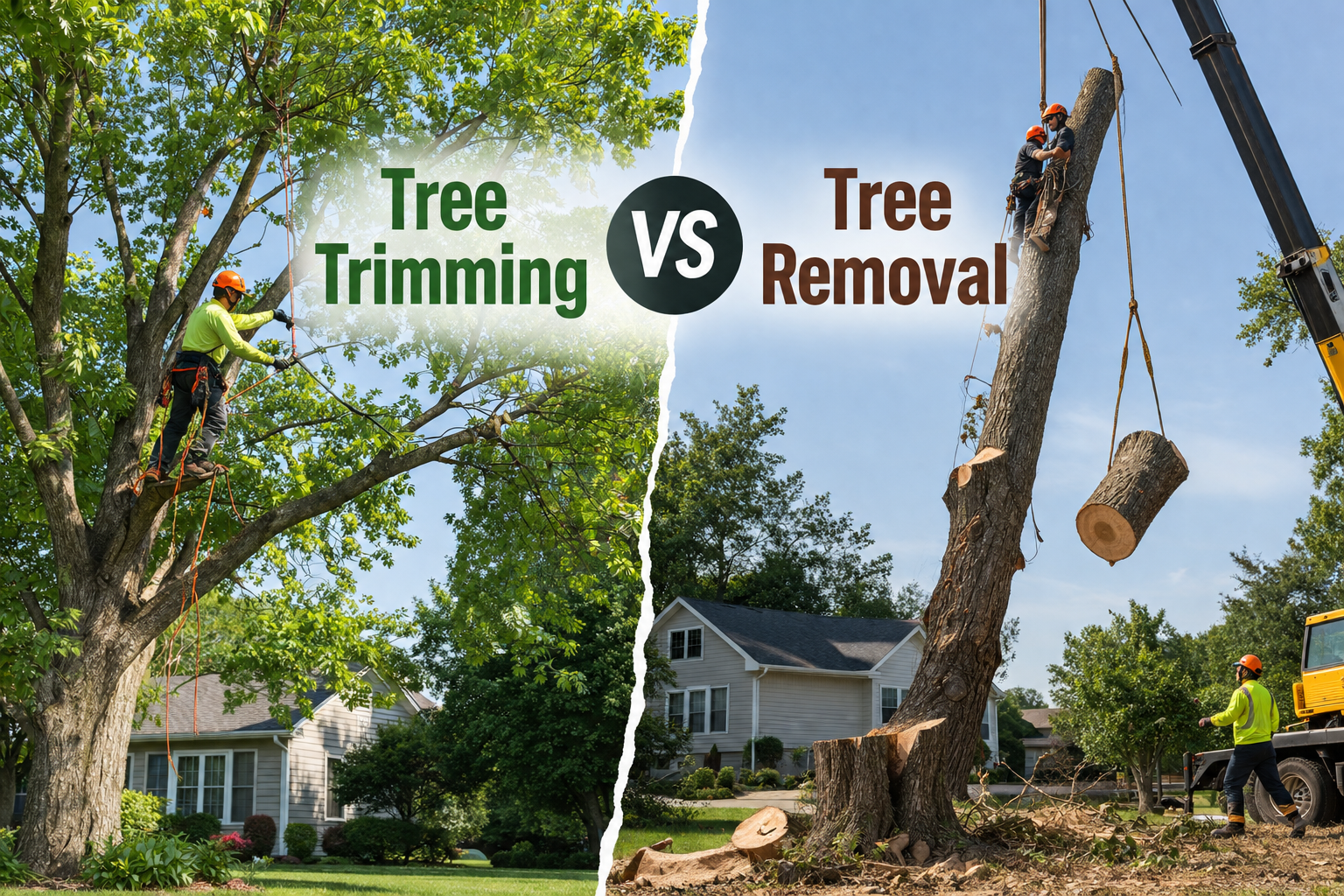
    Tree removal vs tree trimming comparison showing an arborist removing a tree and trimming healthy branches

    How Professionals Decide Between Removal and Trimming

    Certified arborists evaluate several factors before making a recommendation.

    They inspect:

    • Tree health
    • Root condition
    • Structural stability
    • Disease severity
    • Lean angle
    • Branch condition
    • Location near buildings
    • Future growth potential

    This professional assessment ensures you choose the safest and most cost-effective option in the Tree Removal vs Tree Trimming decision.


    Signs You Should Call a Tree Expert

    Don’t wait until a tree becomes dangerous.

    Schedule an inspection if you notice:

    • Cracks in the trunk
    • Hollow areas
    • Mushrooms growing near roots
    • Dead limbs
    • Leaning trees
    • Branches hanging over your home
    • Storm damage
    • Insect infestation

    Early inspections often prevent expensive emergency removals.


    Which Option Adds More Property Value?

    Healthy, well-maintained trees generally increase property value and improve curb appeal.

    Tree trimming:

    • Keeps landscapes attractive
    • Encourages healthy growth
    • Makes yards safer
    • Improves sunlight exposure

    Tree removal:

    • Eliminates hazardous trees
    • Protects structures
    • Reduces liability
    • Creates space for landscaping projects

    Choosing wisely between Tree Removal vs Tree Trimming helps maintain both safety and property value.


    Final Thoughts

    Choosing between Tree Removal vs Tree Trimming depends on the condition of your tree. Healthy trees usually benefit from routine trimming, while dead, unstable, or severely damaged trees often require complete removal.

    If you’re unsure which service your property needs, consult a certified arborist. A professional inspection can identify hidden problems, improve safety, and help you make the best long-term decision.

    For U.S. homeowners in 2026, regular tree care is one of the smartest investments you can make to protect your home, family, and landscape.


    Frequently Asked Questions (FAQs)

    Is tree trimming cheaper than tree removal?

    Yes. Tree trimming typically costs much less because only selected branches are removed rather than the entire tree.

    How often should trees be trimmed?

    Most mature trees should be trimmed every 3–5 years, although fast-growing species may require more frequent maintenance.

    Can a dead tree be saved with trimming?

    Usually not. Completely dead trees generally require removal because they become unstable and hazardous.

    Does homeowners insurance cover tree removal?

    Insurance may cover tree removal if the tree falls due to a covered event, such as a storm, and damages an insured structure. Policies vary, so check with your provider.

    Is it safe to remove a tree yourself?

    Large tree removal is dangerous and should always be handled by trained professionals with the proper equipment and insurance.