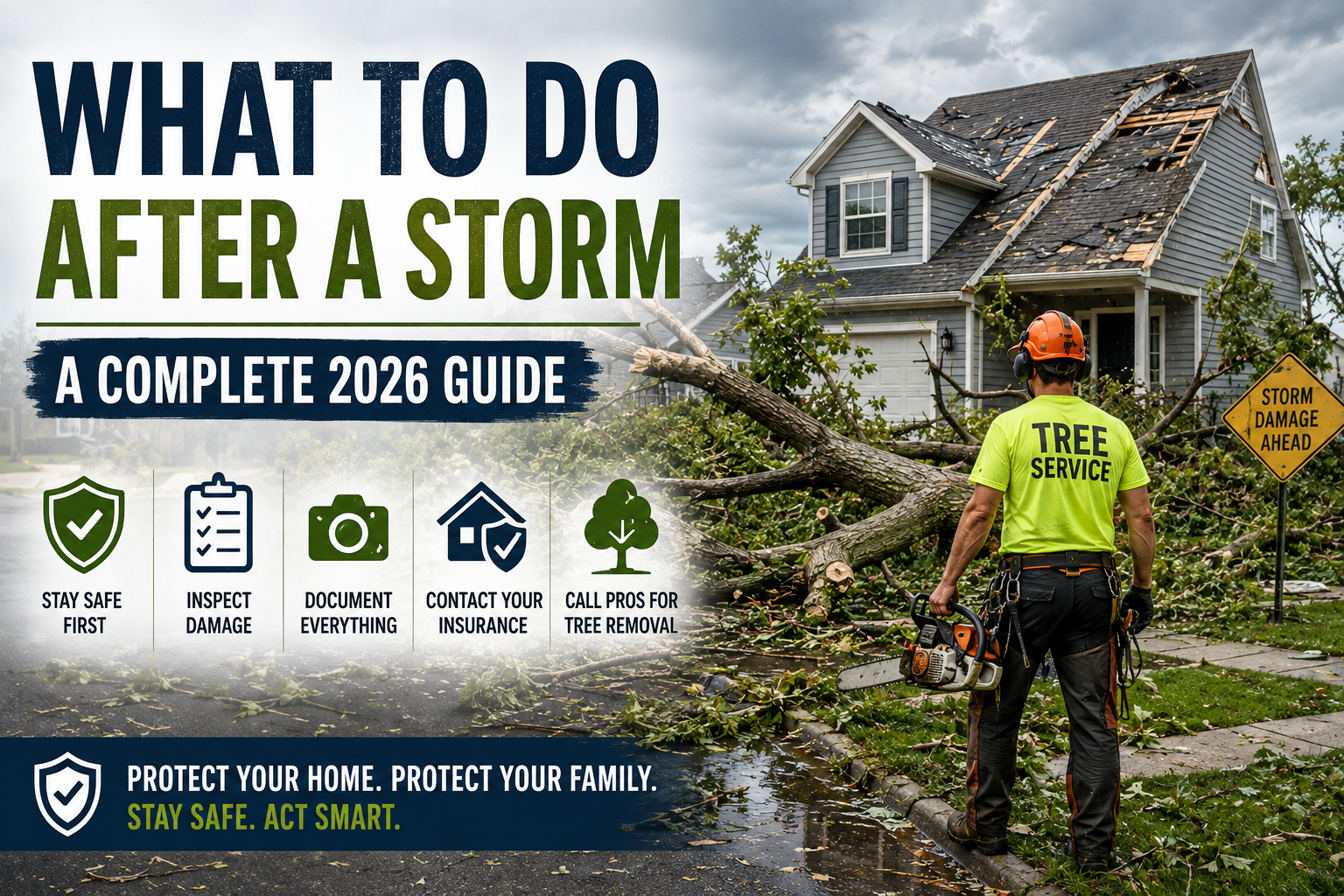
Immediate Steps After a Storm
Storms can leave behind fallen trees, damaged roofs, flooded yards, and dangerous power lines. Knowing What to Do After a Storm can help protect your family, reduce property damage, and speed up the recovery process. Whether your area has experienced high winds, heavy rain, hail, or a hurricane, taking the right steps immediately after the storm is essential.
This 2026 guide explains What to Do After a Storm, including safety checks, property inspections, insurance tips, and when to call professional tree removal services.
1. Make Safety Your First Priority
The first step in What to Do After a Storm is ensuring everyone is safe.
Before leaving your home:
- Check for injuries.
- Stay away from downed power lines.
- Watch for broken glass and debris.
- Avoid standing water that may hide electrical hazards.
- Follow instructions from local emergency officials.
Never enter severely damaged buildings until authorities confirm they are safe.
2. Inspect Your Property Carefully
Another important part of What to Do After a Storm is inspecting your property without putting yourself at risk.
Look for:
- Roof damage
- Broken windows
- Fallen trees
- Hanging tree limbs
- Fence damage
- Cracked foundations
- Damaged siding
- Flooding around the home
Take clear photos and videos before beginning any cleanup. These records can help support insurance claims.
3. Check Trees for Storm Damage
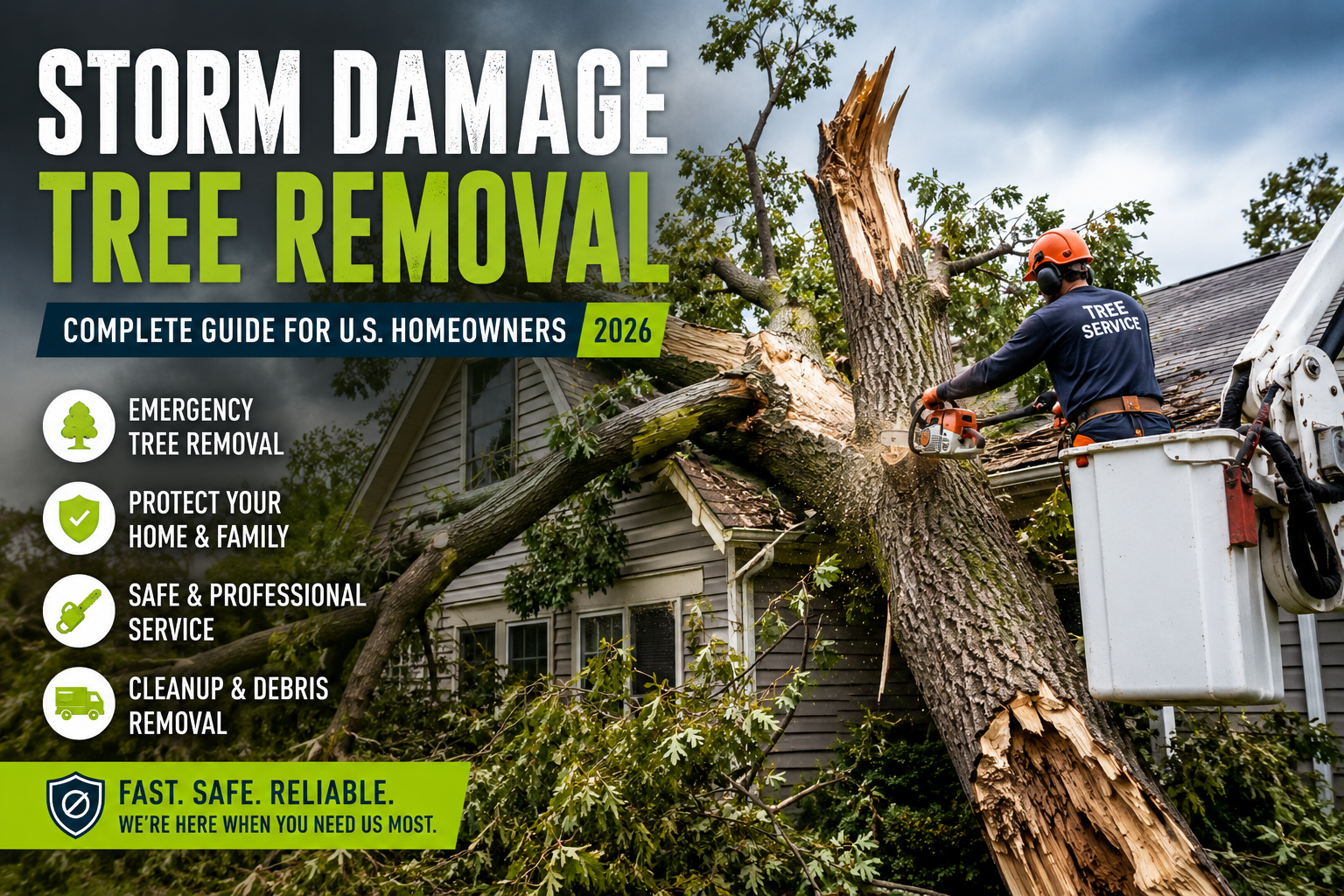
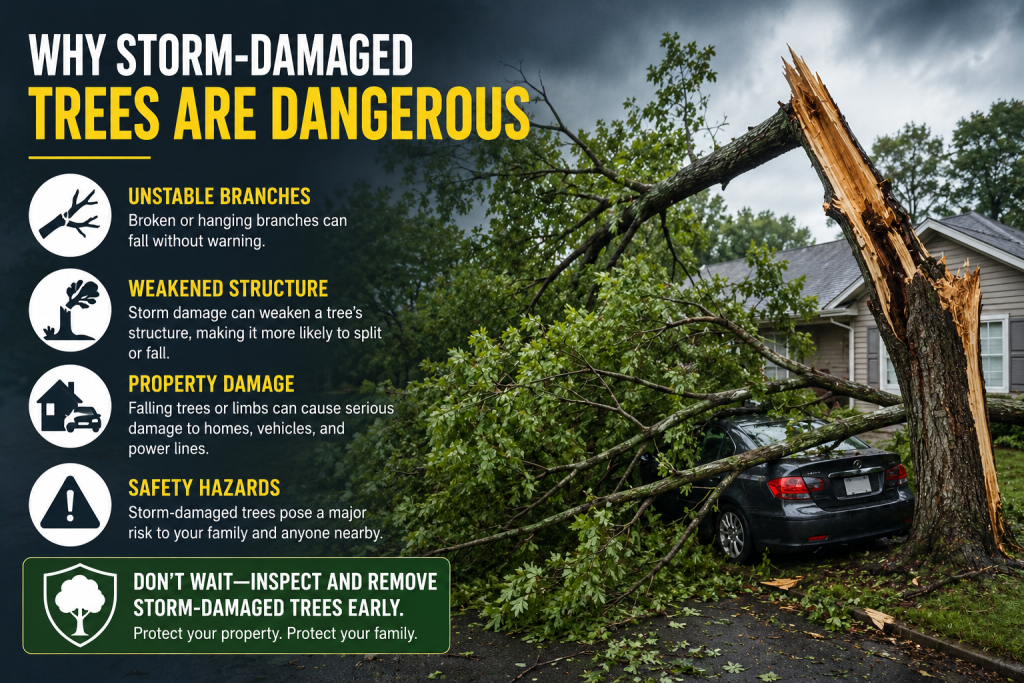
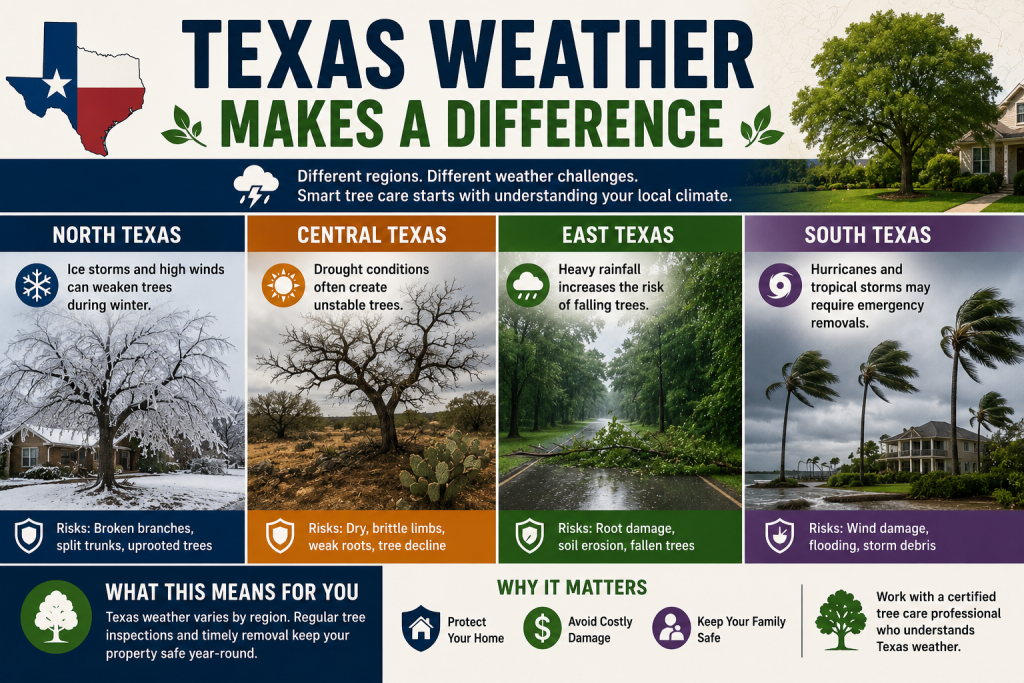
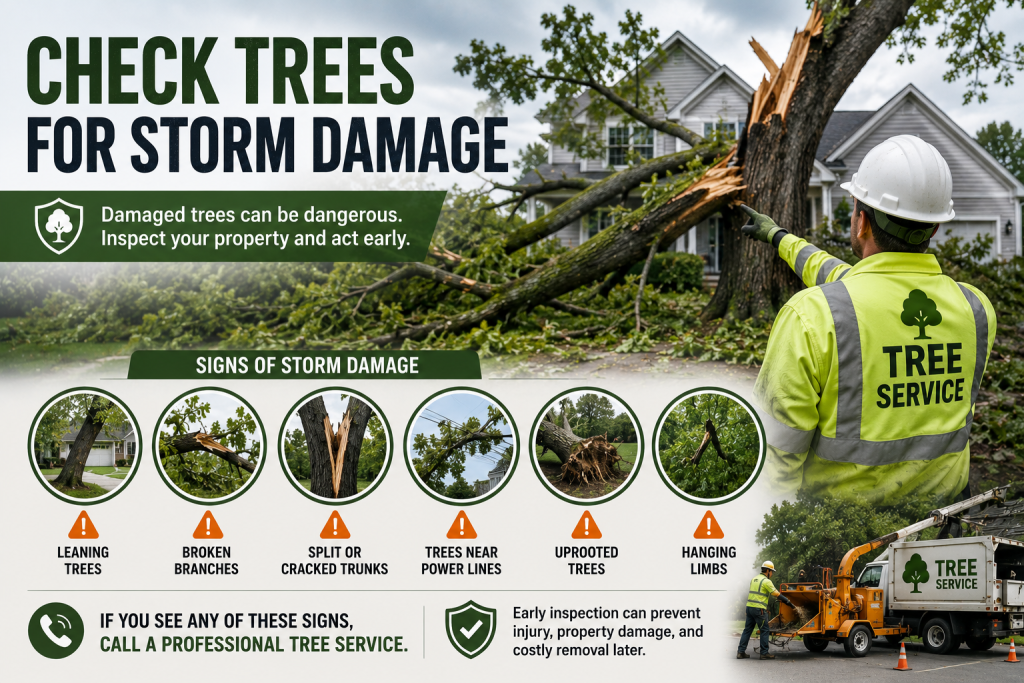
Trees often suffer the most damage during severe weather.
Signs you may need emergency tree service include:
- Leaning trees
- Broken branches
- Split trunks
- Trees touching power lines
- Uprooted trees
- Hanging limbs
If you notice these hazards, What to Do After a Storm includes contacting a licensed tree removal company instead of attempting dangerous work yourself.
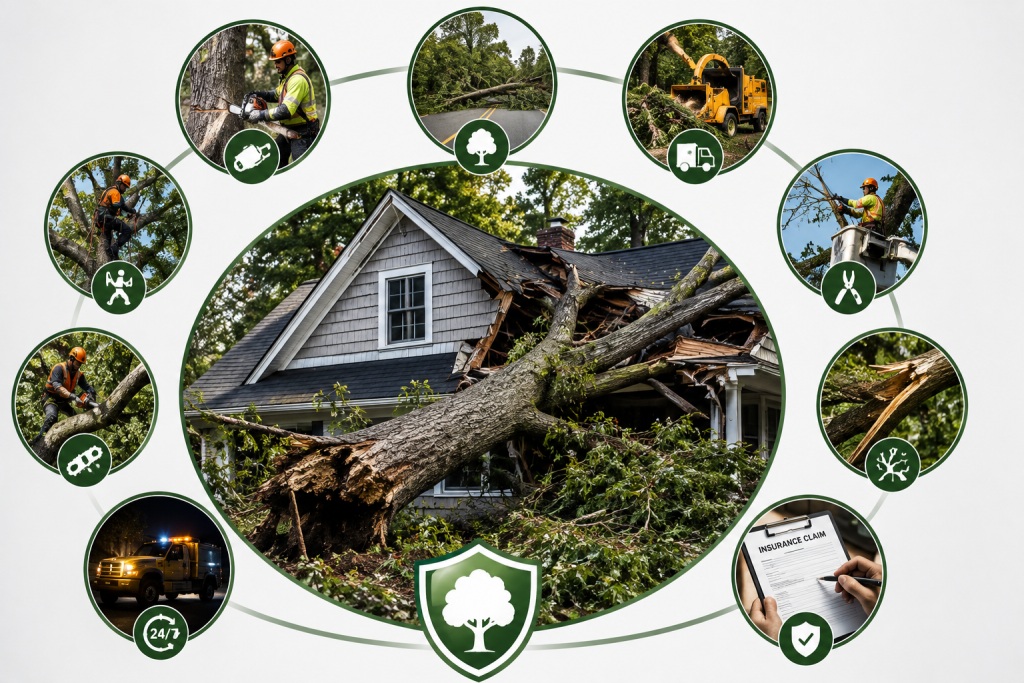
4. Contact Your Insurance Company
One of the smartest things to include in What to Do After a Storm is filing your insurance claim early.
When speaking with your insurance provider:
- Document all damage.
- Save receipts for emergency repairs.
- Ask about temporary housing if needed.
- Confirm tree removal coverage.
- Keep copies of all claim documents.
Early reporting often helps speed up the claims process.
5. Avoid Dangerous Cleanup
Storm cleanup can be hazardous.
Avoid:
- Climbing damaged trees
- Using chainsaws without experience
- Touching power lines
- Entering unstable structures
- Removing large branches under tension
Professional crews have specialized equipment and safety training for hazardous storm cleanup.
6. Remove Debris Safely
Once your property is safe, begin removing small debris.
Focus on:
- Leaves
- Small branches
- Loose fencing
- Outdoor furniture
- Yard clutter
Wear gloves, eye protection, sturdy boots, and long sleeves during cleanup.
Large trees should always be removed by certified professionals.
7. Prevent Additional Damage
Part of What to Do After a Storm is protecting your property from further problems.
Temporary measures may include:
- Cover damaged roofs with tarps.
- Board broken windows.
- Remove standing water.
- Dry wet areas quickly to prevent mold.
- Shut off damaged utilities if necessary.
Quick action helps reduce repair costs.
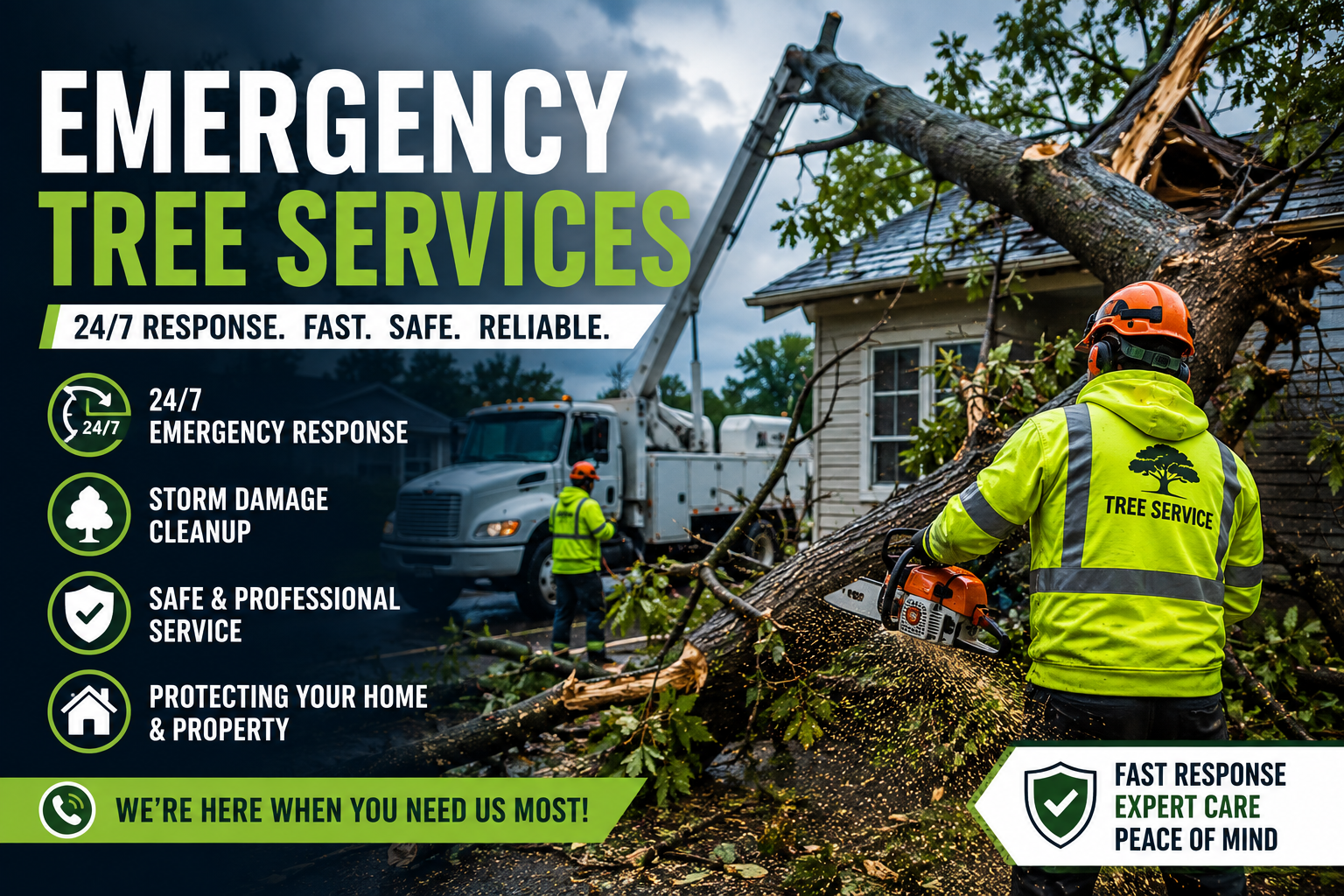
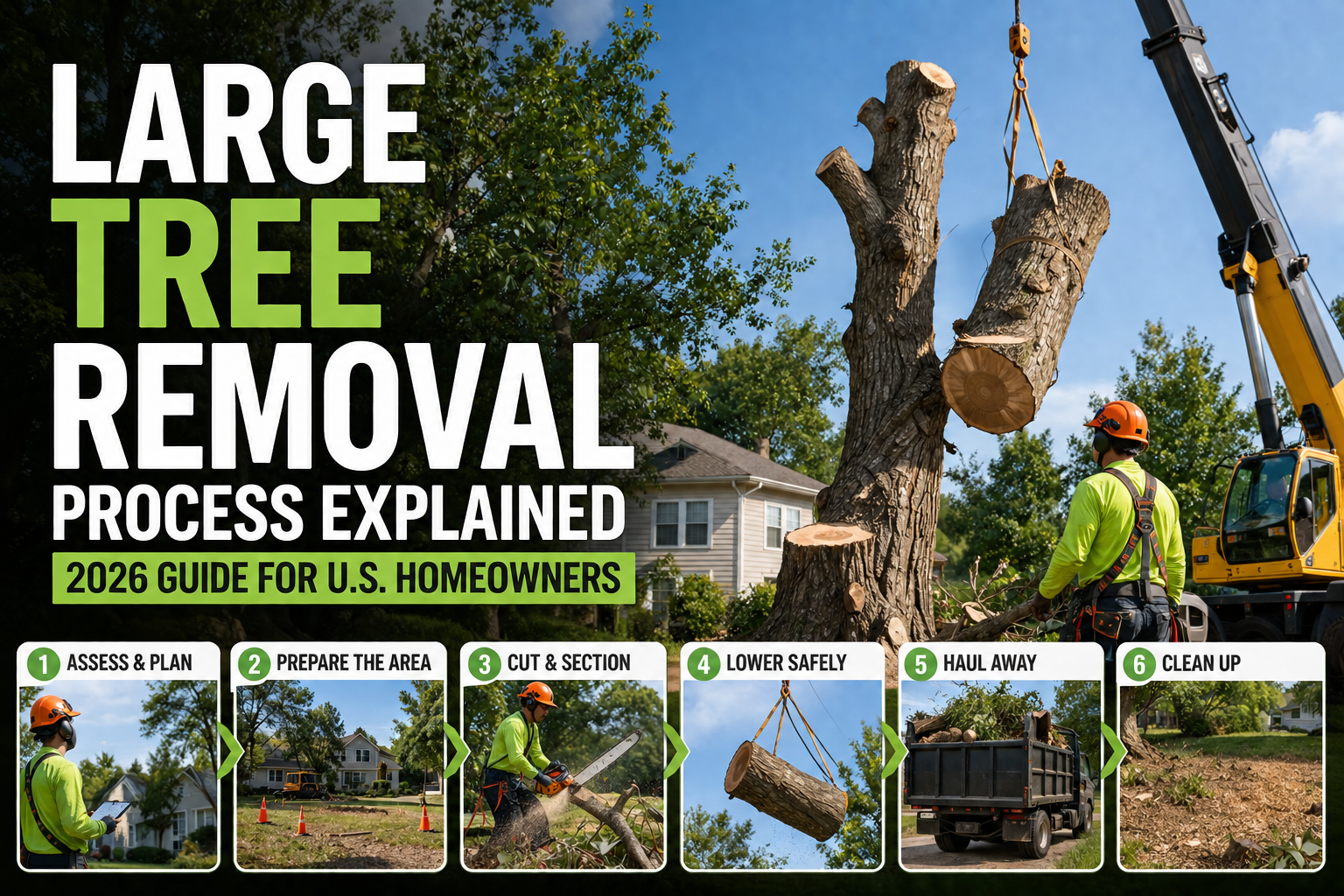
8. Hire Licensed Tree Professionals
Storm-damaged trees are unpredictable and extremely dangerous.
Professional tree companies provide:
- Emergency tree removal
- Tree trimming
- Hazard inspections
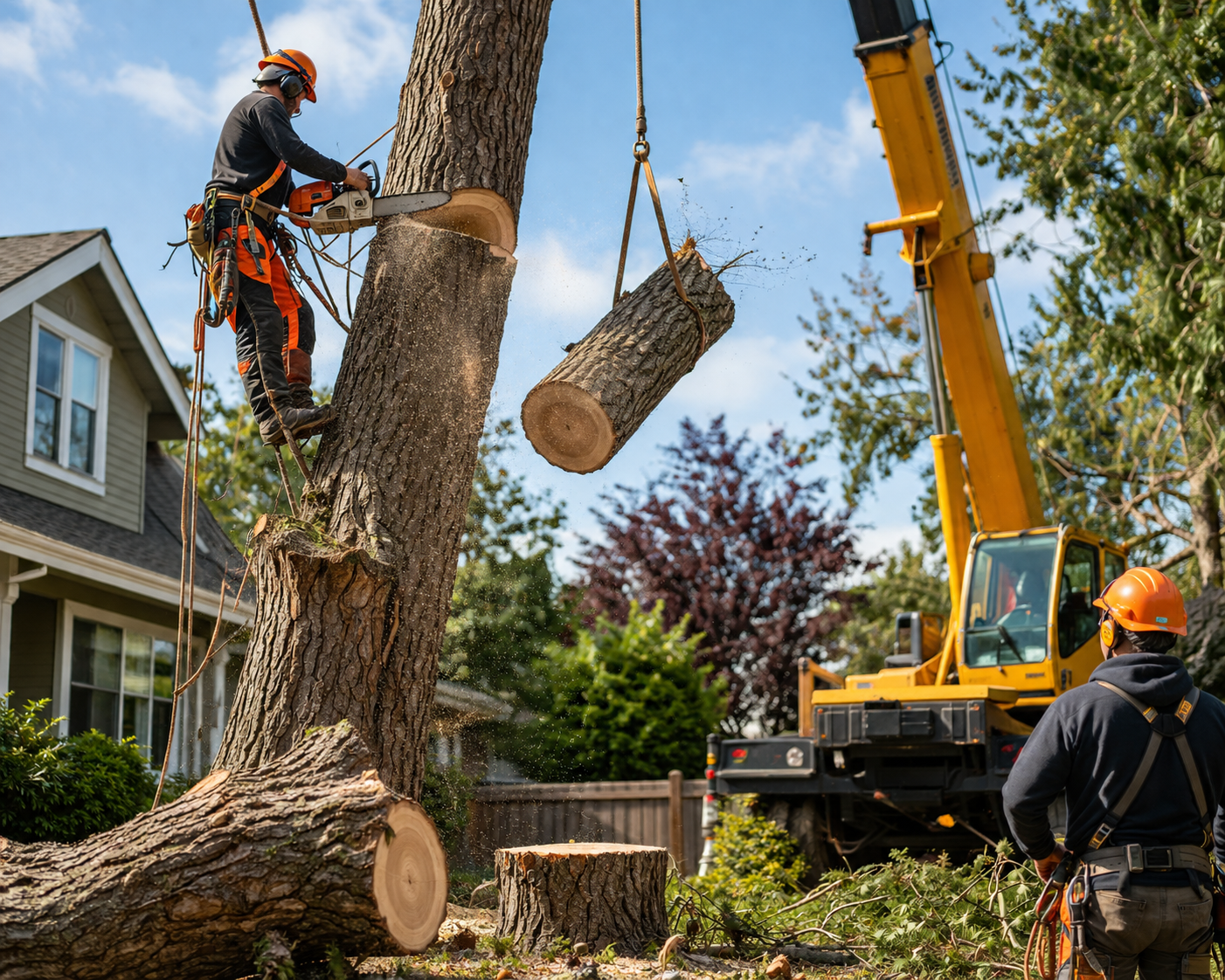
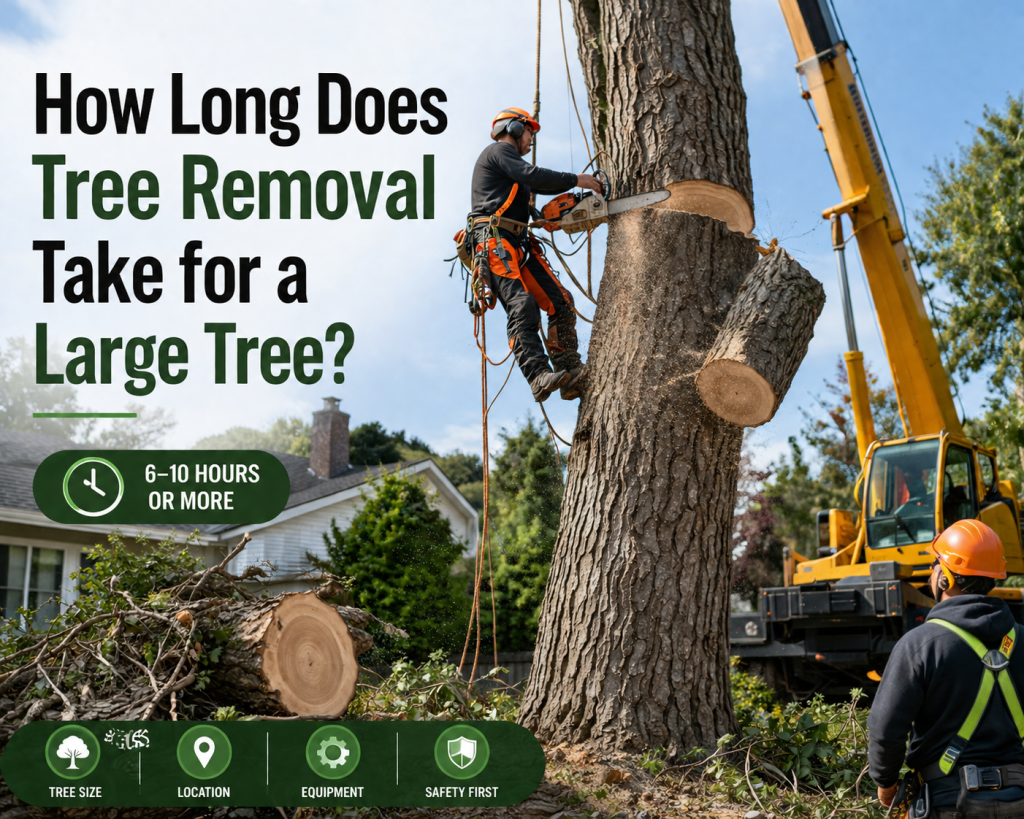
- Crane-assisted removals
- Complete debris cleanup
Hiring insured professionals protects both your property and your family’s safety.
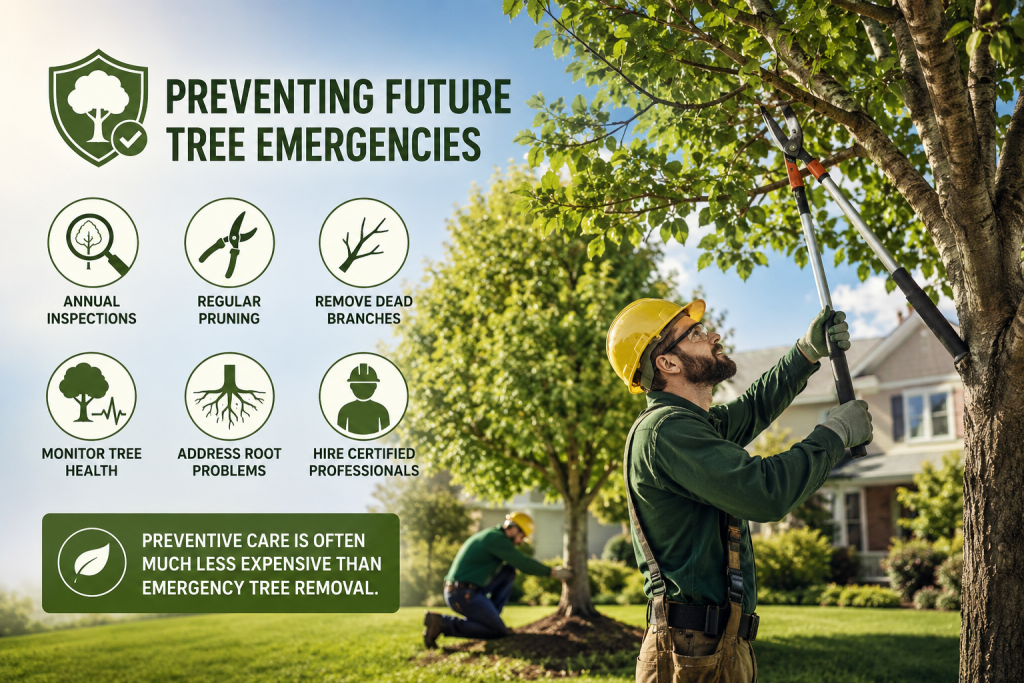
9. Prepare for the Next Storm
The final step in What to Do After a Storm is preventing future damage.
Consider:
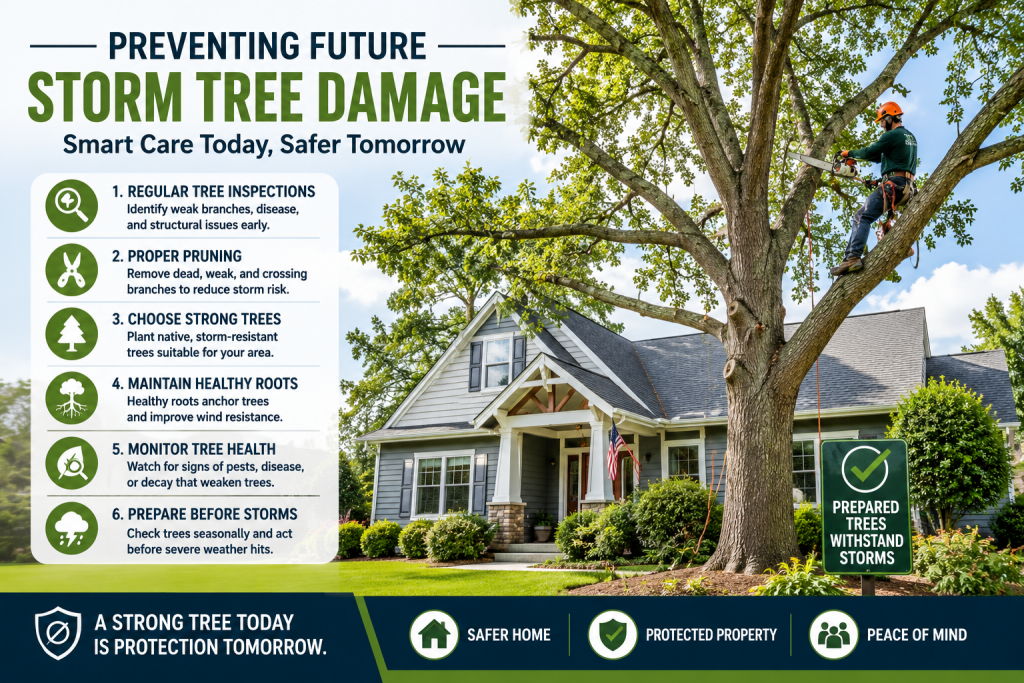
- Annual tree inspections
- Dead branch removal
- Regular tree pruning
- Roof maintenance
- Gutter cleaning
- Emergency preparedness kits
Preventive maintenance can significantly reduce storm-related damage.
Conclusion
Knowing What to Do After a Storm helps homeowners recover quickly while protecting their families and property. By checking for hazards, documenting damage, contacting your insurance company, and hiring qualified tree professionals when necessary, you can safely navigate the aftermath of severe weather. Preparing your property before the next storm is the best investment in long-term safety and peace of mind.
Frequently Asked Questions
1. What should I do first after a storm?
Ensure everyone is safe, avoid hazards, and check for injuries before inspecting your property.
2. Should I remove a fallen tree myself?
No. Large or damaged trees should be removed by licensed professionals.
3. Does homeowners insurance cover storm damage?
Many policies cover storm-related damage, but coverage depends on your policy and the cause of the damage.
4. When should I call an emergency tree service?
Call immediately if a tree is leaning, has fallen on your home, or is touching power lines.
5. How can I prepare for future storms?
Regular tree maintenance, roof inspections, emergency supplies, and property inspections can reduce future storm damage.