How to Save a Dying Tree
Trees add beauty, shade, and value to your property. However, when a tree starts losing leaves, developing dead branches, or showing signs of stress, many homeowners wonder whether it can still be saved. The good news is that a struggling tree can often recover when the underlying problem is identified early and treated correctly. Common causes include improper watering, pests, diseases, soil compaction, root damage, and environmental stress.
This guide explains how to save a dying tree using practical and effective methods that work for homeowners across the United States.
Signs Your Tree May Be Dying
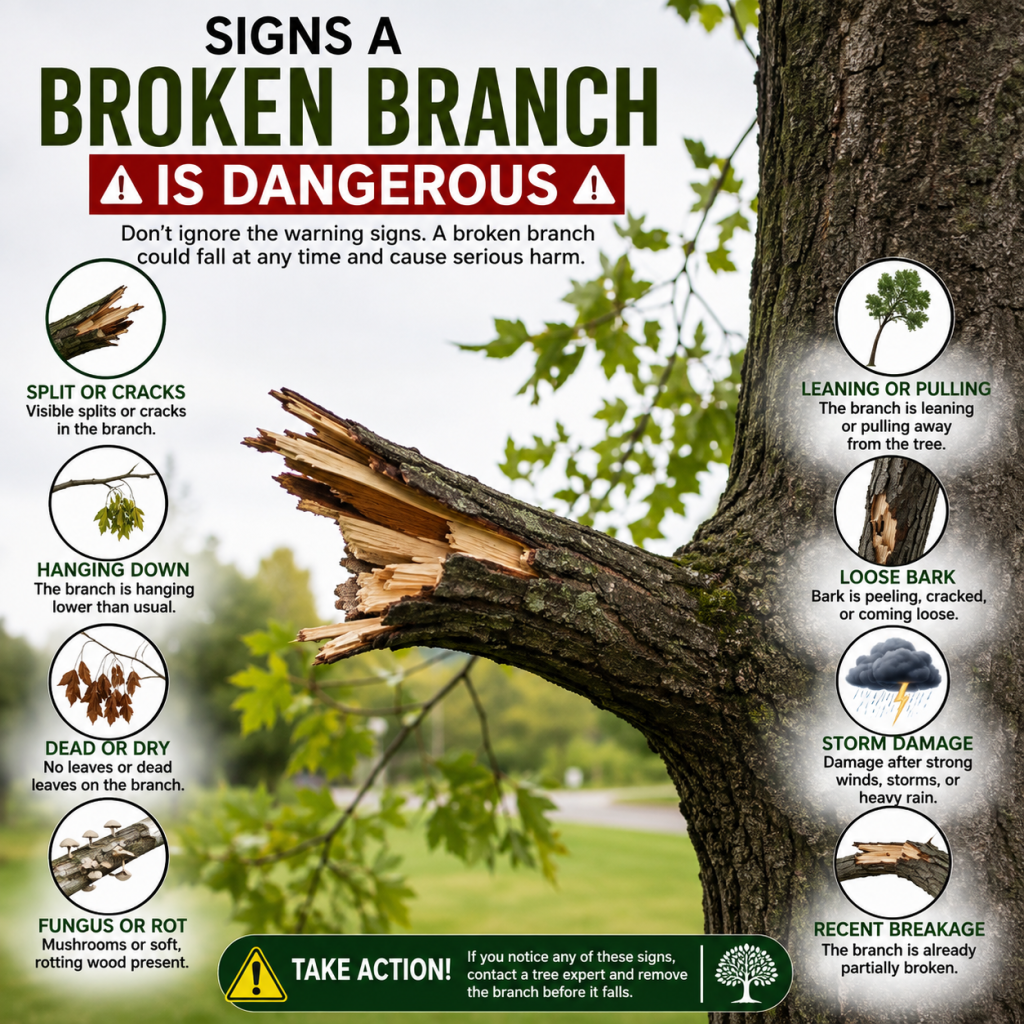
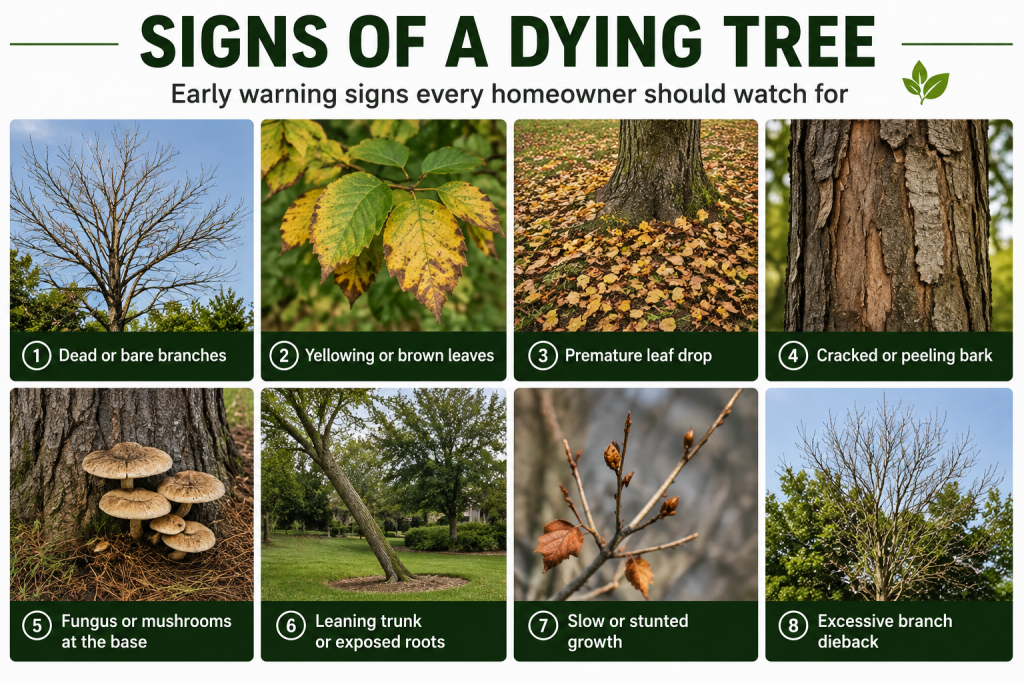
Before taking action, How to Save a Dying Tree determine whether your tree is stressed or truly dying. Watch for these warning signs:
- Dead or brittle branches
- Sparse, yellow, or brown leaves
- Premature leaf drop
- Cracked or peeling bark
- Mushrooms growing near the base
- Leaning trunk or exposed roots
- Slow or stunted growth
- Excessive branch dieback
If several of these symptoms appear at the same time, your tree likely needs immediate attention.
Step 1: Identify the Cause of Decline
The first step in learning how to save a dying tree is finding out what caused the problem.
Common causes include:
Underwatering
Trees suffering from drought often develop brown leaves, thin canopies, and dry soil around the roots.
Overwatering
Too much water can suffocate roots and encourage fungal growth. Yellow leaves and constantly wet soil are common signs.
Pest Infestations
Insects such as borers, beetles, and aphids can weaken a tree by feeding on bark, leaves, and wood.
Disease
Fungal and bacterial diseases may cause cankers, leaf spots, root rot, or branch dieback.
Root Damage
Construction work, soil compaction, or buried roots can prevent a tree from absorbing water and nutrients.
Correct diagnosis is essential because treating the wrong issue can make the situation worse.
Step 2: Water Deeply and Correctly
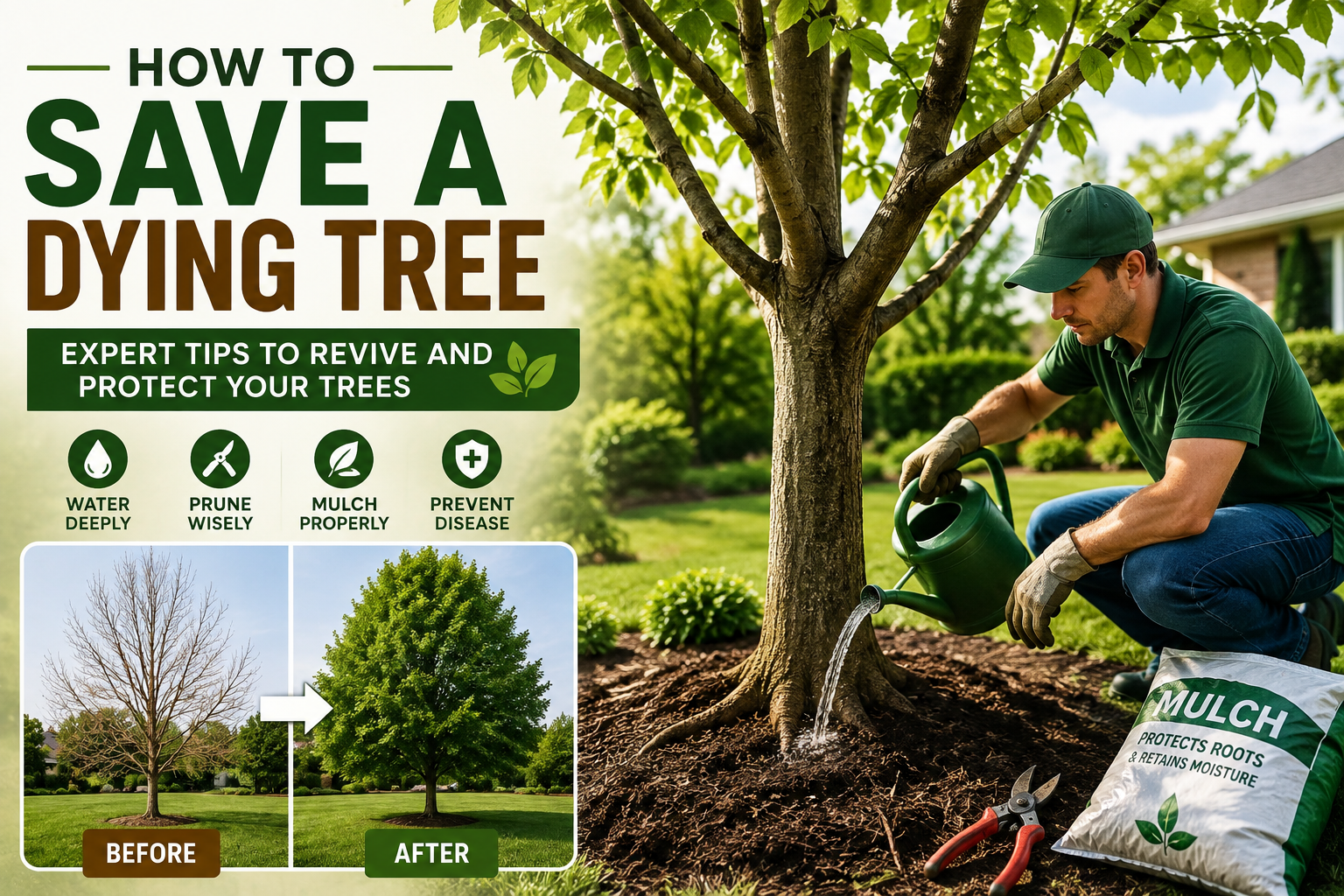
Proper watering is one of the most effective ways to save a stressed tree.
Instead of frequent shallow watering:
- Water slowly and deeply
- Focus on the area beneath the canopy
- Allow moisture to reach deeper roots
- Water early in the morning when possible
Most established trees benefit How to Save a Dying Tree from deep watering during dry periods rather than daily light watering. Deep watering encourages stronger root development and improves drought resistance.
Step 3: Apply Mulch Properly
Mulch helps retain moisture, regulate soil temperature, and reduce weed competition.
For best results:
- Apply 2 to 4 inches of organic mulch
- Extend the mulch ring outward around the tree
- Keep mulch several inches away from the trunk
- Avoid creating a “mulch volcano” around the base
Improper mulching can trap moisture against the bark and contribute to rot and disease. How to Save a Dying Tree
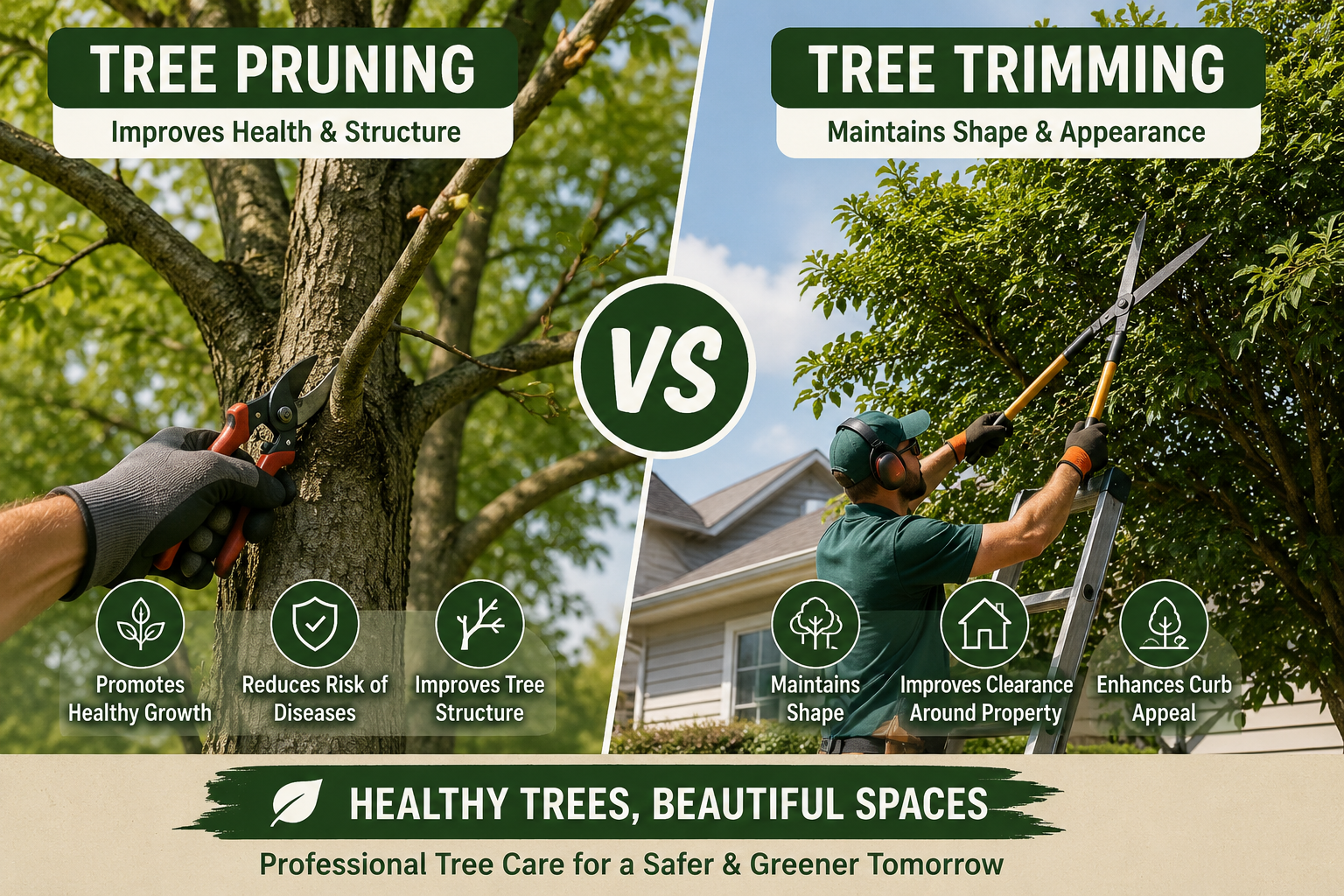
Step 4: Prune Dead and Damaged Branches
Pruning removes unhealthy growth and helps redirect energy to healthy portions of the tree.
When pruning:
- Remove dead, broken, or diseased branches
- Use clean and sharp tools
- Avoid excessive pruning
- Cut just outside the branch collar
Over-pruning can create additional stress, especially for already weakened trees. How to Save a Dying Tree
Step 5: Improve Soil Health
Healthy soil is critical for tree recovery. How to Save a Dying Tree
You can improve soil conditions by:
- Reducing soil compaction
- Adding organic matter
- Removing competing grass and weeds
- Ensuring proper drainage
If soil is heavily compacted, roots may struggle to access oxygen, water, and nutrients.
Step 6: Monitor for Pests and Disease
Inspect your tree regularly for signs of insects, fungi, or infections.
Look for:
- Holes in the bark
- Oozing sap
- Unusual leaf discoloration
- Fungal growth
- Sawdust-like material around the trunk
Early treatment can prevent widespread damage and improve the chances of recovery.
Step 7: Fertilize Carefully
Many homeowners assume fertilizer is the solution, but applying fertilizer to a stressed tree can sometimes cause more harm than good.
Before fertilizing:
- Test the soil if possible
- Determine nutrient deficiencies
- Choose a slow-release tree fertilizer
- Follow label instructions carefully
Healthy roots and proper watering should be addressed before adding fertilizer.
When to Call a Certified Arborist
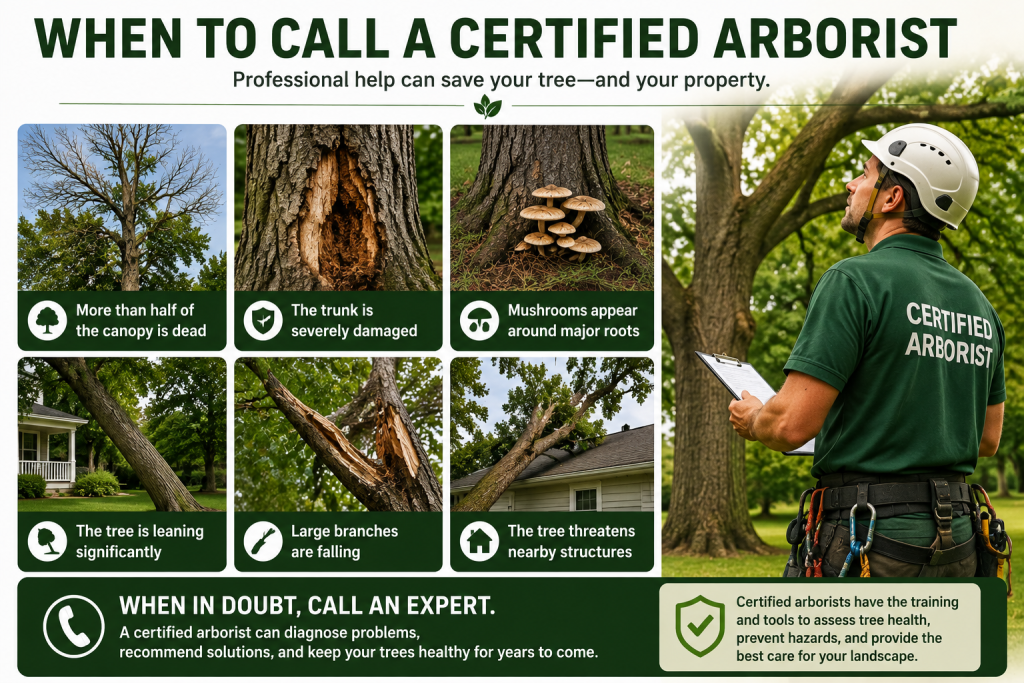
Some trees require professional evaluation.
Contact a certified arborist if:
- More than half of the canopy is dead
- The trunk is severely damaged
- Mushrooms appear around major roots
- The tree is leaning significantly
- Large branches are falling
- The tree threatens nearby structures
Professional arborists can diagnose diseases, assess structural risks, and determine whether the tree can be saved.
Final Thoughts
Knowing how to save a dying tree can help protect one of the most valuable features of your landscape. The key is acting quickly, identifying the root cause, and providing proper care through deep watering, correct mulching, strategic pruning, and ongoing monitoring. For many US homeowners in 2026, early intervention can mean the difference between losing a mature tree and restoring it to full health.
A healthy tree not only improves curb appeal but also increases property value, provides shade, supports local wildlife, and enhances the overall environment. How to Save a Dying Tree By following these proven tree-care practices, you can give your struggling tree the best possible chance of recovery.