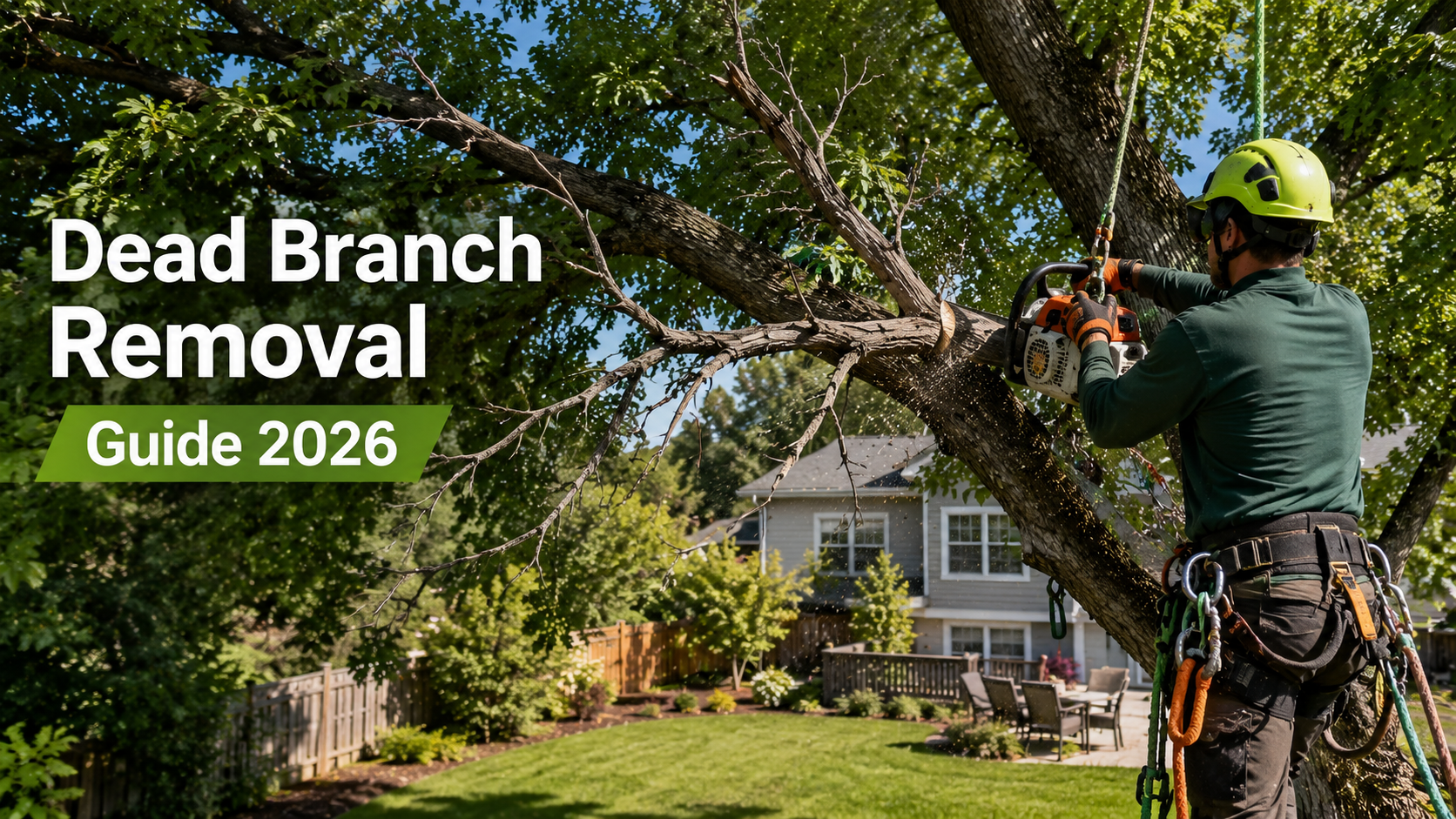
Dead Branch Removal Guide: How to Safely Remove Dead Tree Branches in 2026
Dead branches are a common problem for homeowners across the United States. Whether you have a mature oak in your Texas backyard or a maple tree in a northern state, damaged and dead limbs can become a safety risk if they are ignored. Learning how to identify and handle them is an important part of responsible tree care.
This Dead Branch Removal Guide explains how to identify dead branches, why removing them matters, when to call a professional, and how homeowners can protect their property. In 2026, with severe storms and unpredictable weather affecting many parts of the US, regular tree inspections are more important than ever.
What Is a Dead Tree Branch?
A dead branch is a limb that no longer receives water and nutrients from the tree. Unlike healthy branches, dead limbs may have no leaves, brittle bark, or visible signs of decay. Some dead branches remain attached to the tree for years, while others can fall unexpectedly during strong winds, heavy rain, ice, or storms.
A proper Dead Branch Removal Guide should always emphasize that dead branches are not simply an appearance problem. They can become hazardous when they are located above roofs, driveways, sidewalks, patios, or areas where people spend time.
How to Identify Dead Branches
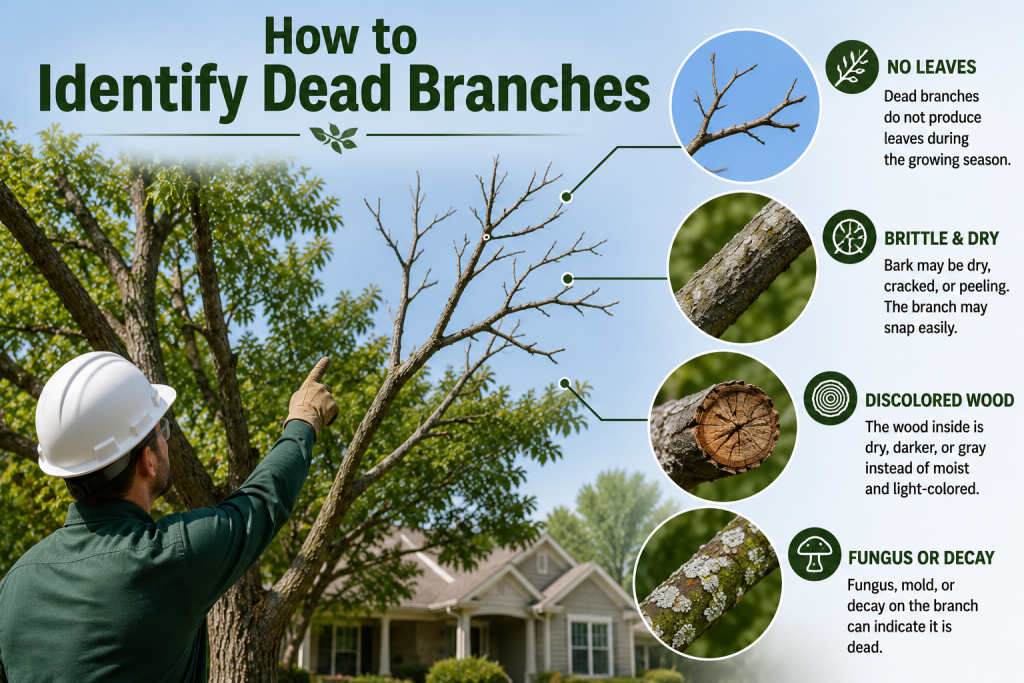
Before removing anything, homeowners should learn how to recognize potentially dead limbs. Signs may include:
- No leaves during the growing season
- Brittle or dry-looking wood
- Cracked or peeling bark
- Visible decay or fungal growth
- Broken branches
- Hollow sections
- Branches that snap easily
- A noticeable lack of buds or new growth
However, identifying dead wood is not always simple. Some trees naturally lose branches, and certain limbs may appear unhealthy while still being alive. This is why a professional inspection can be helpful when you are unsure.
Following a reliable Dead Branch Removal Guide can help you recognize obvious hazards, but homeowners should avoid making assumptions about complicated or high branches.
Why Dead Branch Removal Is Important
One of the main reasons to follow a Dead Branch Removal Guide is safety. Dead limbs can become weak over time and may fall without warning. A falling branch can damage a roof, vehicle, fence, power line, or outdoor structure.
Dead branches can also create additional problems for the tree. Removing certain dead or damaged limbs may improve the tree’s appearance and reduce potential hazards. However, improper cutting can damage living tissue and create opportunities for decay or disease.
For this reason, dead branch removal should be approached carefully rather than treated as a simple DIY landscaping project.
When Should Dead Branches Be Removed?
Dead branches should generally be addressed when they create a potential hazard or when they are large enough to cause property damage if they fall. Small branches that are easy to reach may sometimes be handled by experienced homeowners using appropriate tools.
However, large branches, high branches, and limbs near power lines should be evaluated by a qualified professional.
The best time for routine tree maintenance depends on the tree species and local climate. In many areas, dormant seasons can be suitable for certain types of pruning. Nevertheless, hazardous dead or broken branches should not be left in place simply because it is the wrong season.
A good Dead Branch Removal Guide should always prioritize safety over convenience.
Can You Remove Dead Branches Yourself?
Some small, low-hanging dead branches can potentially be removed by homeowners. Before starting, make sure you understand proper pruning techniques and use clean, sharp equipment.
Never attempt to remove a large branch that is under tension, hanging over a structure, or located near electrical wires. Do not climb a tree with inadequate safety equipment.
If you are unsure about the condition of a branch, hiring a professional tree service is usually the safer option. A qualified arborist can determine whether a branch is truly dead and recommend the appropriate course of action.
How to Safely Remove Small Dead Branches
For homeowners handling small, accessible branches, a basic Dead Branch Removal Guide includes several safety considerations.
First, inspect the branch carefully and check for signs of movement or instability. Make sure there are no people, pets, vehicles, or valuable objects underneath.
Use appropriate pruning tools and avoid cutting into the branch collar, which is the natural area where the branch connects to the trunk or larger limb. Proper pruning cuts can help the tree recover more effectively.
Never use a ladder in an unsafe position or attempt to reach branches that are beyond your comfortable working height.
When to Hire a Professional Arborist
Professional help is recommended when dead branches are large, high, unstable, or located near power lines. Trees that have been damaged by storms may also present hidden dangers.
A professional tree care company can inspect the tree, identify hazardous limbs, and use specialized equipment to remove branches safely. This is especially important for mature trees near homes and other structures.
If you live in an area frequently affected by hurricanes, tornadoes, ice storms, or severe thunderstorms, regular professional inspections can be a valuable part of your property maintenance plan.
Common Dead Branch Removal Mistakes
One common mistake discussed in any Dead Branch Removal Guide is cutting branches incorrectly. Poor pruning cuts can injure healthy parts of the tree and increase the risk of future problems.
Another mistake is removing too many branches at once. Trees need their living branches and leaves for energy production, so excessive pruning can stress the tree.
Homeowners should also avoid topping Dead Branch Removal Guide trees or making unnecessary cuts simply to change the tree’s shape. Professional pruning focuses on tree health, structure, and safety.
How Often Should You Inspect Your Trees?
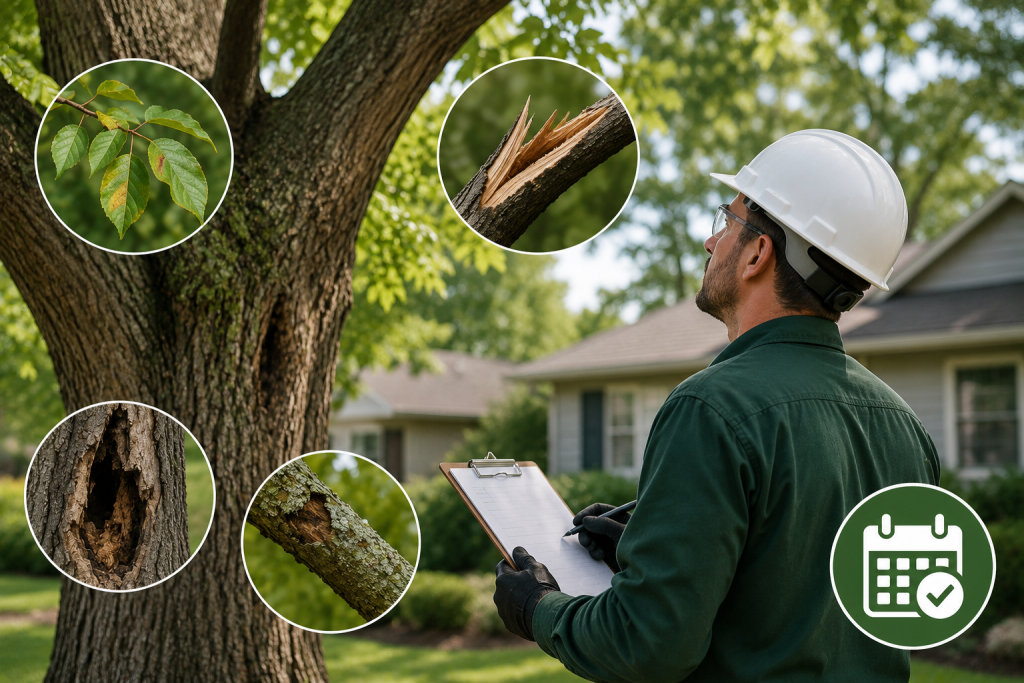
There is no universal schedule for every tree, but homeowners should regularly look for dead, broken, or damaged limbs. Trees should also be inspected after major storms or extreme weather.
A professional tree Dead Branch Removal Guide inspection can be particularly useful for older or large trees. Early identification of hazardous branches may help prevent emergency situations and expensive property damage.
Using this Dead Branch Removal Guide as part of your regular home maintenance routine can help you notice potential problems before they become serious.
Final Thoughts
Dead branches can pose serious risks to homeowners, especially when they are located near homes, vehicles, walkways, or power lines. The best approach is to inspect trees regularly, identify obvious hazards, and remove unsafe branches using proper techniques.
This Dead Branch Removal Guide provides general information for US homeowners, but every tree and situation is different. When a branch is large, high, unstable, or difficult to access, hiring a qualified tree professional is the safest choice.
By making dead branch inspection part of your 2026 Dead Branch Removal Guide property maintenance routine, you can help protect your home, improve your landscape, and support the long-term health and safety of your trees.
Frequently Asked Questions (FAQs)
Can dead branches fall on their own?
Yes. Dead branches become increasingly brittle and can fall during strong winds, heavy rain, snow, ice, or storms. Even calm weather can sometimes cause weakened limbs to drop.
Can I remove dead branches myself?
Small, low branches may be manageable for some homeowners. However, large, high, unstable branches or limbs near electrical wires should be left to trained professionals Dead Branch Removal Guide .
When is the best time to remove dead branches?
The ideal timing depends on the tree species and local climate. Hazardous or broken branches should generally be addressed promptly rather than waiting for a particular season.
How can I prevent dead branches from becoming a safety hazard?
Regular tree inspections, proper pruning, and timely removal of hazardous limbs can help reduce risks. Following this Dead Branch Removal Guide can help homeowners recognize potential problems early.
How much does dead branch removal cost?
The price varies depending on branch size, tree height, location, equipment requirements, and cleanup. Small jobs may cost less, while large or hazardous branches can require specialized equipment and professional crews.
Leave a Reply