Tag: Homeowners Insurance

  • Insurance Claims for Fallen Trees: Complete Guide (2026)

    Insurance Claims for Fallen Trees: Complete Guide (2026)

    Insurance Claims for Fallen Trees

    Storms, hurricanes, tornadoes, and heavy winds frequently cause trees to fall across homes, garages, fences, and vehicles throughout the United States. Understanding Insurance Claims for Fallen Trees can help homeowners avoid unnecessary financial stress and recover damages faster.

    Whether a tree falls during a severe storm or because of hidden decay, knowing how Insurance Claims for Fallen Trees work can make the difference between a smooth reimbursement process and a denied claim. This 2026 guide explains what is covered, how to file a claim, and practical tips for maximizing your insurance payout.


    What Are Insurance Claims for Fallen Trees?

    Insurance Claims for Fallen Trees are requests submitted to your homeowners insurance company after a tree causes damage to your insured property.

    In most cases, homeowners insurance pays for damages when a healthy tree falls because of a covered event such as:

    • Windstorms
    • Lightning
    • Hail
    • Snow or ice storms
    • Hurricanes
    • Tornadoes

    However, insurance companies may deny Insurance Claims for Fallen Trees if the damage resulted from poor maintenance or neglect.


    When Does Homeowners Insurance Cover Fallen Trees?

    Most homeowners insurance policies cover fallen tree damage when the incident is sudden and accidental.

    Coverage usually includes:

    • Roof damage
    • Structural damage
    • Garage damage
    • Fence damage
    • Detached structures
    • Tree removal (within policy limits)
    • Debris cleanup
    • Emergency temporary repairs

    Understanding your policy helps ensure your Insurance Claims for Fallen Trees are processed successfully.


    Situations That May Not Be Covered

    Not every incident qualifies for insurance reimbursement.

    Your insurer may reject Insurance Claims for Fallen Trees if:

    • The tree was dead or diseased before it fell.
    • You ignored obvious signs of decay.
    • Damage occurred because of lack of maintenance.
    • The tree simply fell in your yard without damaging insured property (unless your policy specifically covers removal).

    Routine tree maintenance can reduce the chances of denied claims.
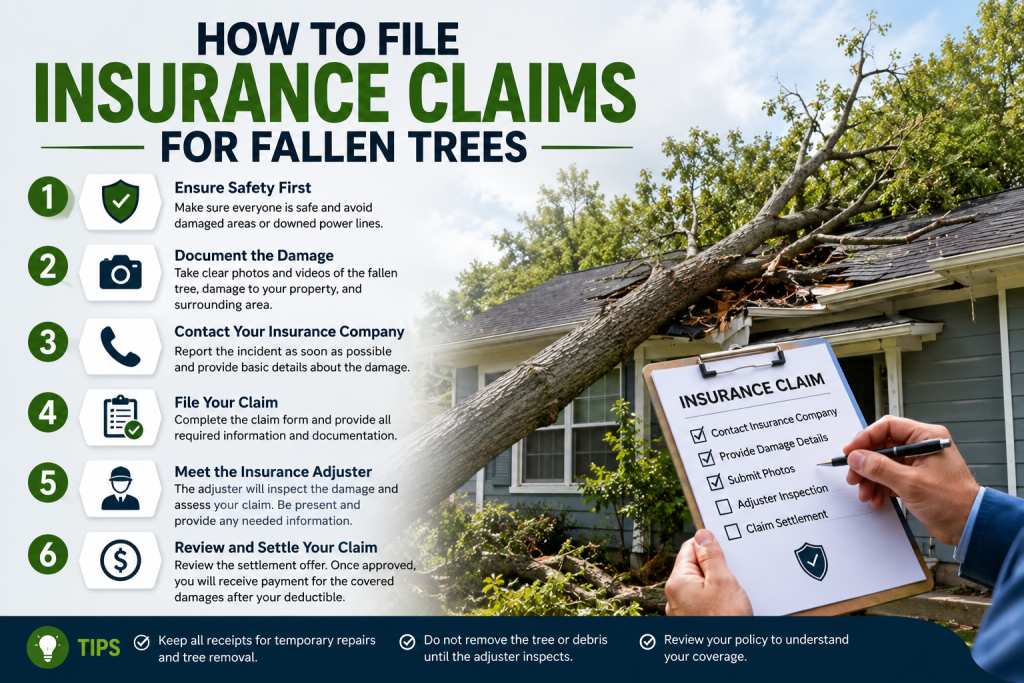

    how-to-file-insurance-claims-for-fallen-trees.jpg

    How to File Insurance Claims for Fallen Trees

    Filing Insurance Claims for Fallen Trees is easier when you follow the proper steps.

    1. Ensure Safety

    Stay away from downed power lines and unstable trees. Contact emergency services if necessary.

    2. Document the Damage

    Take clear photos and videos before moving debris.

    Capture:

    • Roof damage
    • Broken windows
    • Vehicles
    • Landscaping
    • Entire fallen tree

    These images strengthen your Insurance Claims for Fallen Trees.

    3. Prevent Additional Damage

    Use tarps or temporary coverings to prevent water intrusion.

    Keep receipts because emergency repair costs are often reimbursable.

    4. Contact Your Insurance Company

    Report the damage immediately.

    Provide:

    • Policy number
    • Date of incident
    • Cause of damage
    • Photos
    • Repair estimates

    Prompt reporting improves the success of Insurance Claims for Fallen Trees.

    5. Work With the Insurance Adjuster

    An adjuster will inspect the damage and determine the amount covered under your policy.

    Do not remove the tree completely unless it’s necessary for safety or instructed by emergency officials.


    Does Insurance Cover Tree Removal?

    Many homeowners ask whether tree removal is included.

    The answer depends on your policy.

    Tree removal is often covered when:

    • The tree damages an insured structure.
    • The tree blocks a driveway or wheelchair access.
    • Removal is necessary for repairs.

    Most policies include reimbursement limits ranging from a few hundred to several thousand dollars.

    Review your policy carefully before assuming full coverage.


    Tips to Maximize Your Insurance Settlement

    Improve the chances of successful Insurance Claims for Fallen Trees by following these best practices:

    • Inspect trees regularly.
    • Remove dead or hazardous trees.
    • Keep maintenance records.
    • Photograph your property before storm season.
    • Hire licensed tree service professionals.
    • Save all repair invoices.
    • File your claim immediately after damage occurs.

    Proper documentation significantly improves claim approval.


    Common Mistakes Homeowners Should Avoid

    Avoid these errors during Insurance Claims for Fallen Trees:

    • Waiting too long to report damage
    • Throwing away damaged materials before inspection
    • Failing to document the incident
    • Hiring uninsured contractors
    • Ignoring policy deductibles
    • Not reading coverage exclusions

    Small mistakes can delay or reduce your insurance payout.
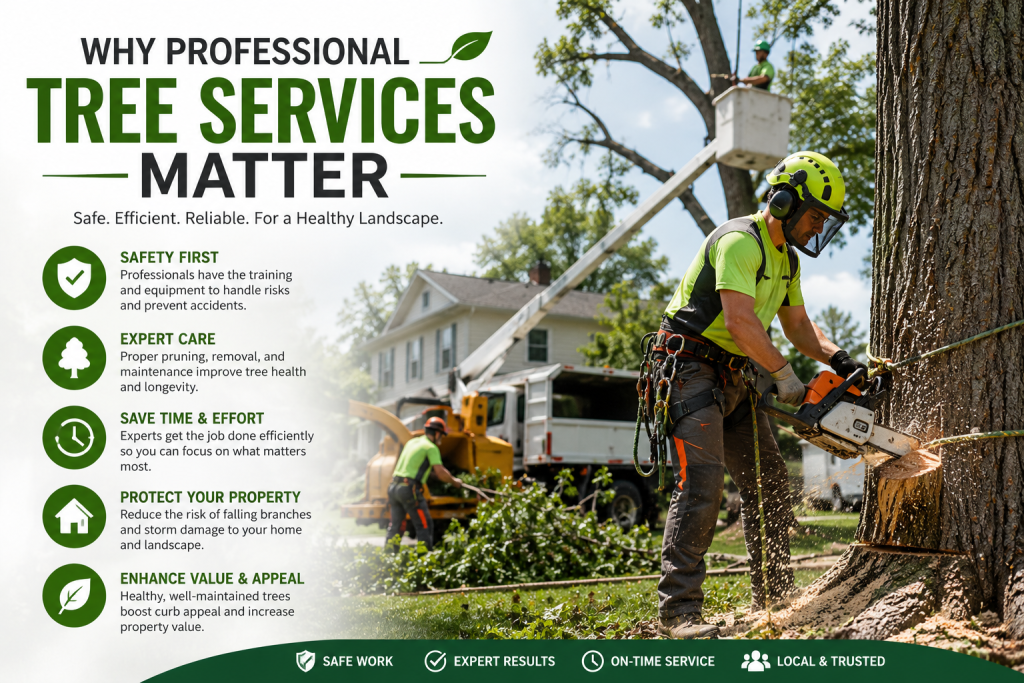

    Professional tree service crew safely trimming a large tree near a residential home using protective equipment and a bucket truck.

    Why Professional Tree Services Matter

    Certified tree removal companies understand insurance requirements.

    Many professionals provide:

    • Detailed damage reports
    • Written estimates
    • Emergency tree removal
    • Photographic documentation
    • Assistance working with insurance adjusters

    Their documentation often strengthens Insurance Claims for Fallen Trees and speeds up the approval process.


    Final Thoughts

    Severe weather can strike unexpectedly, but understanding Insurance Claims for Fallen Trees helps homeowners recover faster and protect their investment. By documenting damage, acting quickly, maintaining healthy trees, and working with qualified professionals, you can improve the likelihood of receiving fair compensation under your homeowners insurance policy.

    As storms continue to impact communities across the United States in 2026, being prepared before disaster strikes is one of the smartest ways to safeguard your home and finances.


    FAQs

    1. Does homeowners insurance cover fallen trees?

    Yes. Most policies cover damage caused by storms, wind, lightning, or other covered events.

    2. Will insurance pay for tree removal?

    Usually, if the fallen tree damages an insured structure or blocks access, subject to policy limits.

    3. Can a claim be denied?

    Yes. Claims may be denied if the tree was dead, diseased, or poorly maintained.

    4. Should I remove the tree before the adjuster arrives?

    Only if it’s necessary for safety. Document everything with photos first.

    5. How soon should I file a claim?

    Report the damage as soon as possible to avoid delays and improve claim processing.
  • Fallen Tree on House: Complete Guide US Homeowners (2026)

    Fallen Tree on House: Complete Guide US Homeowners (2026)

    Fallen Tree on House: What to Do After a Tree Falls on Your Home in 2026

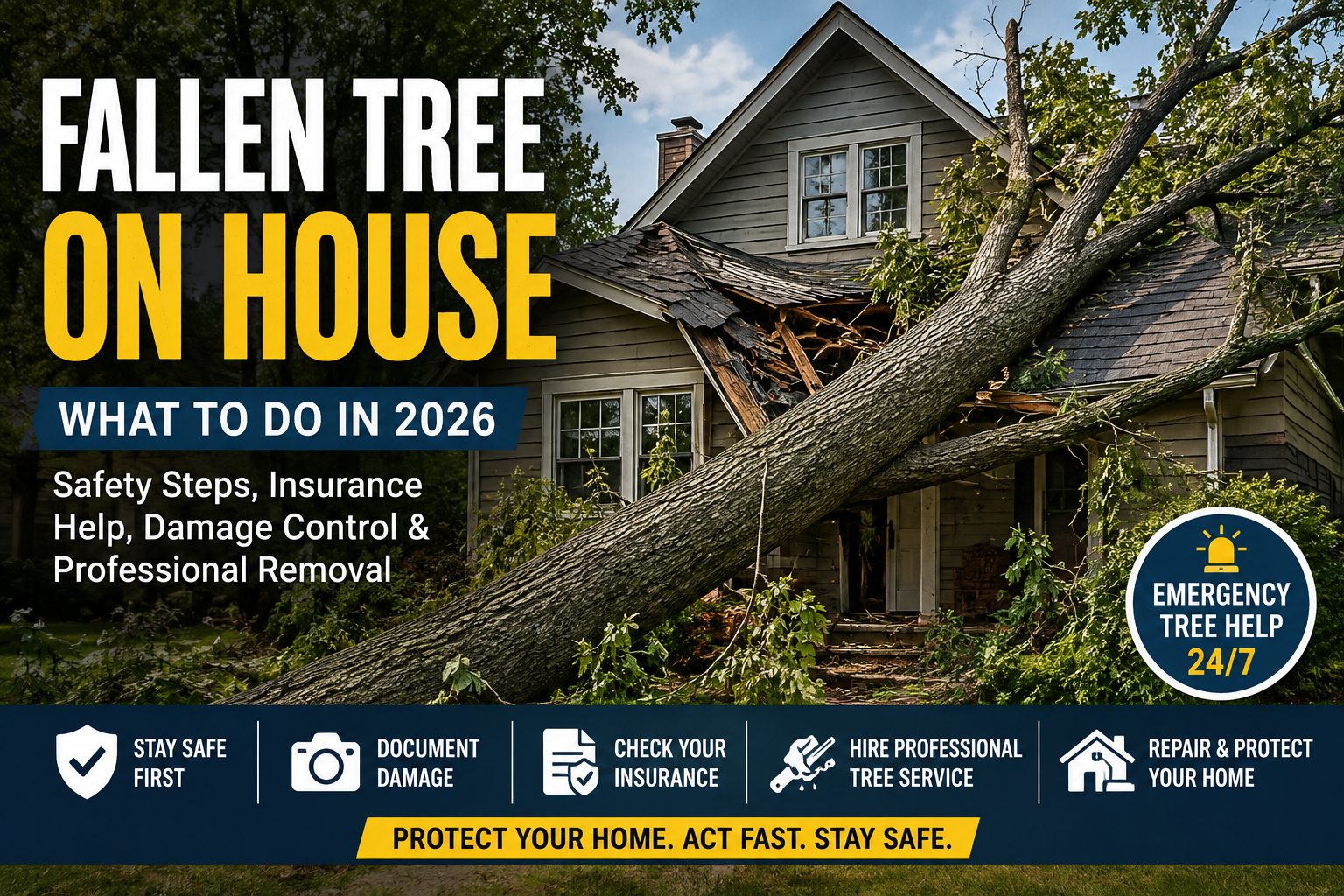
    A Fallen Tree on House can turn a normal day into a serious home emergency. Severe thunderstorms, hurricanes, tornadoes, high winds, heavy snow, and weakened trees can cause major property damage across the United States. If a tree falls on your home, knowing what to do next can protect your family, reduce additional damage, and make the insurance process easier.

    This guide explains the important steps U.S. homeowners should take after a Fallen Tree on House, including emergency safety, damage assessment, insurance, professional removal, and prevention.

    What to Do Immediately

    Safety should always be your first priority after a Fallen Tree on House. Do not rush outside to inspect the damage if the tree is still moving, power lines are nearby, or parts of the structure appear unstable.

    Move your family and pets to a safe location. Stay away from damaged areas, broken windows, sagging ceilings, and electrical wires.

    If you see downed power lines, sparks, fire, a gas leak, serious injuries, or an immediate structural danger, contact emergency services and stay away from the affected area.

    Never climb onto the tree or roof yourself. A large tree can remain under significant pressure even after it has fallen.

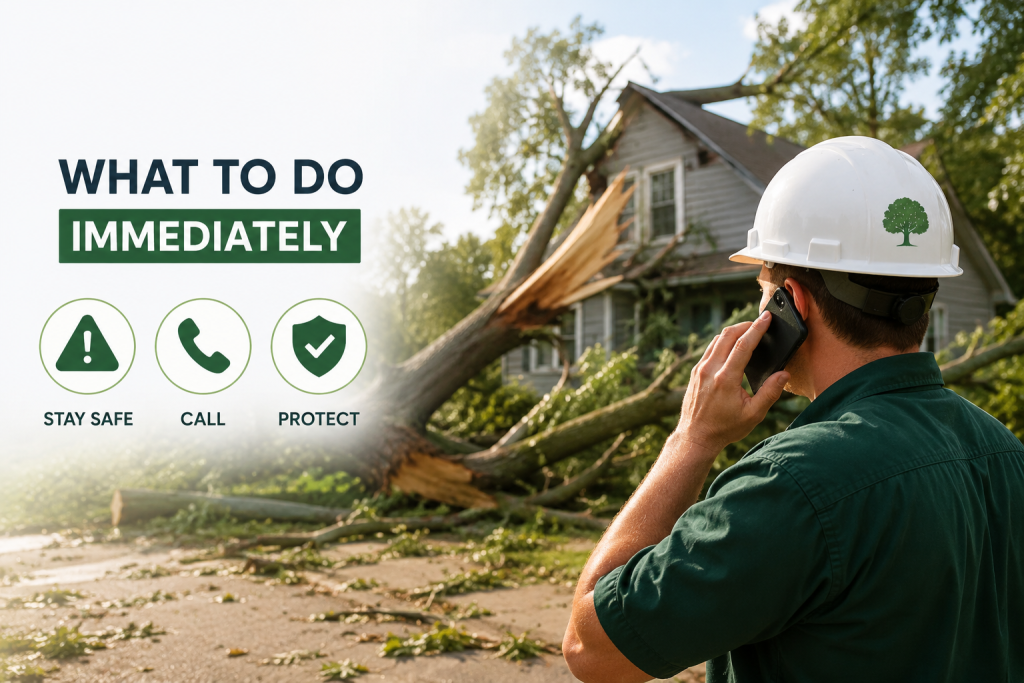
    Professional tree removal expert speaking on the phone while inspecting a large tree that has fallen onto a residential home after a severe storm, highlighting the immediate safety steps homeowners should take, including staying safe, calling emergency tree removal services, and protecting the property from further damage.

    Check for Visible Damage

    Once everyone is safe, look at the property from a secure location. A Fallen Tree on House can damage much more than the roof.

    Common types of damage include:

    • Broken shingles
    • Damaged roof decking
    • Cracked rafters
    • Broken windows
    • Damaged gutters
    • Siding damage
    • Ceiling damage
    • Structural problems
    • Damaged electrical systems
    • Water intrusion

    Some damage may not be visible immediately. For example, roof or structural damage can become worse after rain enters the home.

    If you suspect structural damage, have a qualified contractor or building professional inspect the property before entering or making major repairs.

    Document the Damage

    Before cleanup begins, take photographs and videos whenever it is safe. A Fallen Tree on House should be thoroughly documented for insurance and repair purposes.

    Take pictures of the entire property as well as close-up images of damaged areas. Photograph the tree, roof, broken windows, walls, branches, fences, vehicles, and other affected property.

    Keep receipts for emergency services, temporary repairs, tree removal, tarps, boarding, and other expenses related to the incident.

    Do not throw away damaged items unless necessary for safety. Your insurance company may need evidence of the loss.

    Contact Your Homeowners Insurance Company

    After a Fallen Tree on House, contact your homeowners insurance company as soon as reasonably possible. Coverage depends on your individual policy and the cause of the tree falling.

    For example, damage caused by certain covered storms may be eligible for coverage. However, exclusions, deductibles, policy limits, and maintenance-related issues can affect a claim.

    Ask your insurer:

    • Is the property damage covered?
    • Is emergency tree removal covered?
    • What is my deductible?
    • Are temporary repairs covered?
    • Do I need an adjuster inspection?
    • What documentation is required?

    If a neighbor’s tree caused the damage, do not automatically assume the neighbor is responsible. Liability can depend on the circumstances and applicable state law.

    Hire Professional Emergency Tree Removal

    Removing a Fallen Tree on House can be extremely dangerous. A tree may be resting on the roof, tangled in electrical wires, supported by unstable branches, or putting pressure on damaged parts of the home.

    Professional tree removal companies have specialized equipment and experience for handling dangerous trees.

    Depending on the situation, professionals may use cranes, ropes, bucket trucks, chainsaws, and other specialized equipment to safely dismantle and remove the tree.

    Homeowners should avoid attempting large-scale tree removal themselves. DIY removal can result in serious injuries, additional property damage, or contact with electrical lines.

    Protect Your Home From Further Damage

    After a Fallen Tree on House, temporary protection may be necessary to prevent additional damage.

    If the roof has been opened, a qualified professional may install a temporary tarp. Broken windows can also be boarded up to keep rain and debris outside.

    If water is entering the home, move furniture and valuable belongings away from the affected area when it is safe.

    Do not climb onto a damaged roof or enter an unstable part of the house simply to protect belongings.

    How Much Does Tree Removal Cost?

    The cost of removing a Fallen Tree on House varies significantly. Factors can include tree size, location, accessibility, roof damage, electrical hazards, required equipment, and emergency service availability.

    A small tree in an open yard may be relatively simple to remove, while a large mature tree resting on a roof can require specialized equipment and multiple workers.

    Homeowners should obtain professional estimates when possible and ask whether cleanup, hauling, stump removal, and emergency services are included.

    Can Insurance Pay for Tree Removal?

    A Fallen Tree on House may involve both property-damage coverage and tree-removal coverage, depending on the homeowners policy.

    Insurance policies can differ considerably, so homeowners should review their policy and speak directly with their insurance provider.

    If the tree damaged the home during a covered event, repairs to the structure may be covered subject to the policy’s terms, limits, and deductible.

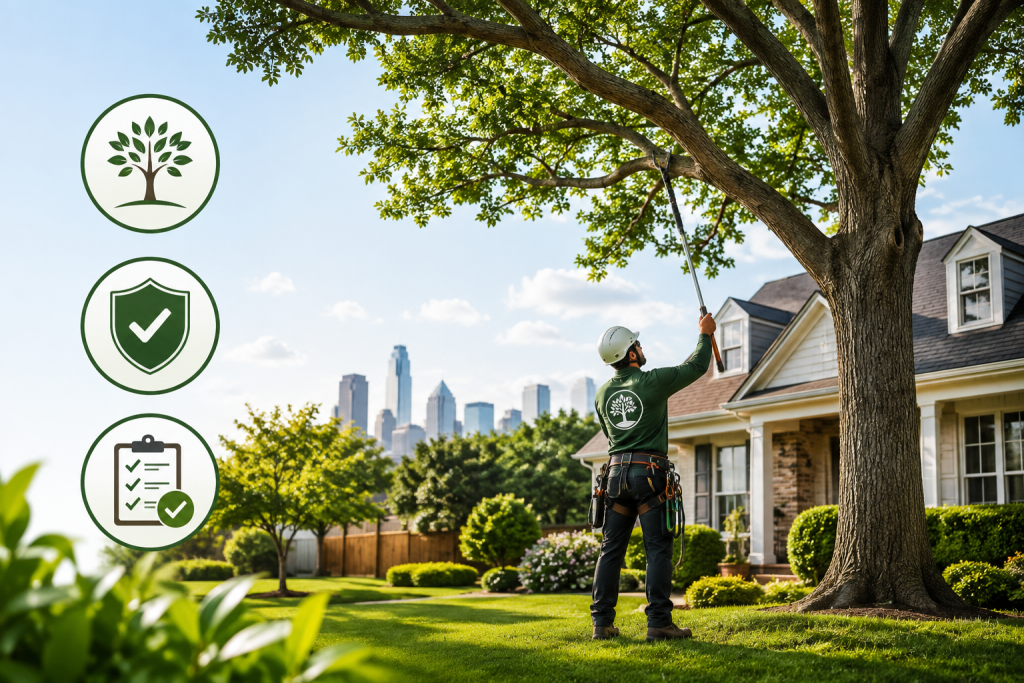
    Professional arborist performing preventive tree pruning in a well-maintained residential yard to reduce future tree emergencies, improve tree health, and protect homes from storm-related branch and tree failure.

    Prevent Future Tree Emergencies

    Preventing another Fallen Tree on House starts with regular tree maintenance.

    Homeowners should watch for:

    • Dead or hanging branches
    • Cracks in major limbs
    • Leaning trunks
    • Root damage
    • Decay or cavities
    • Weak branch connections
    • Storm damage
    • Signs of disease or pests

    Professional tree inspections can identify hazards before they become emergencies. Regular pruning can also help reduce dangerous branches around roofs, driveways, power lines, and other structures.

    Final Thoughts

    A Fallen Tree on House requires a calm and organized response. Protect people first, stay away from electrical hazards, document the damage, contact your insurance company, and hire qualified professionals for dangerous tree removal.

    For U.S. homeowners, preparing before severe weather can make a major difference. Regular inspections, proper pruning, and understanding your homeowners insurance can help reduce the risk of expensive property damage in 2026.

    FAQs

    What should I do first after a tree falls?

    Get everyone to a safe location and check for immediate hazards.

    Does homeowners insurance cover fallen trees?

    Coverage depends on your policy and the cause of the tree damage.

    Can I remove a fallen tree myself?

    Large or unstable trees should be removed by trained professionals.

    Can a fallen tree damage my roof?

    Yes. It can damage shingles, framing, gutters, ceilings, and walls.

    How can I prevent trees from falling?

    Regular inspections, pruning, and professional tree maintenance can reduce risks.